
- Natural Stone
- Artificial Stone







Your Complete Guide: Does Granite Stain?
Granite countertops are a highly desirable feature in homes, often topping the wish lists of homebuyers. In fact, 55% of homebuyers are willing to pay extra for a home with granite countertops. However, many homeowners and potential buyers wonder, “Does granite stain?” This guide will provide you with everything you need to know about granite stains, how to prevent them, and what to do if they occur.
Stain-Resistant vs. Stain-Proof
It’s important to understand the difference between stain-resistant and stain-proof surfaces. Granite is a natural stone that is stain-resistant, not stain-proof. This means that while granite is highly resistant to stains, it is not completely immune to them.
Granite is less porous than many other countertop materials, and it is treated with a sealant before installation to help prevent liquids from penetrating its pores. This sealant significantly reduces the risk of staining but doesn’t eliminate it entirely. Proper care and maintenance are key to keeping your granite countertops stain-free.
Does Granite Stain?
Granite is highly resistant to stains, but it is not entirely stain-proof. If spills are left unattended, they can seep into the stone and leave a stain. Even water can leave a temporary dark spot until it evaporates. To keep your granite countertops looking pristine, it’s essential to clean up spills immediately. With proper care, granite countertops can remain beautiful and stain-free for many years.
Light-Colored Granite Countertops
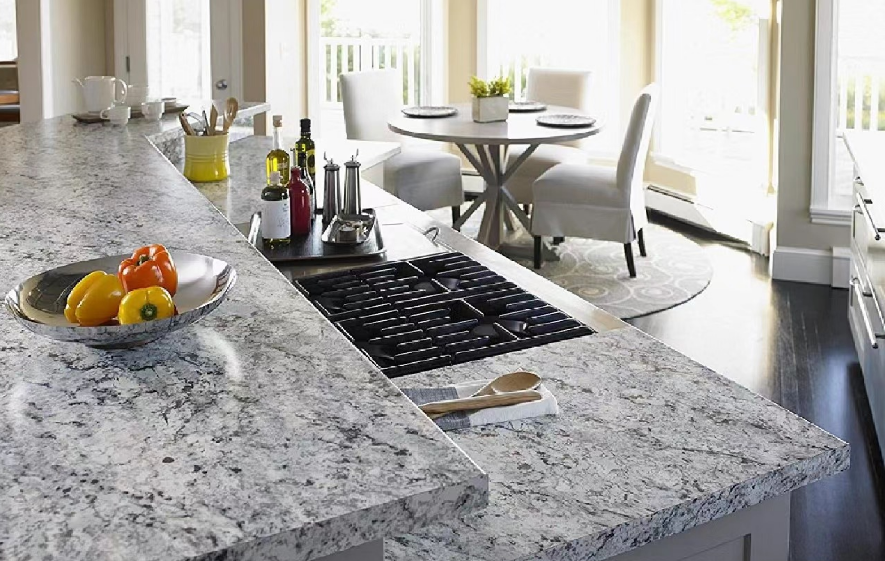
Light-colored granite countertops, such as light grey or off-white, are just as stain-resistant as darker granite. However, stains may be more visible on lighter surfaces. The advantage of light-colored granite is that spills are easier to spot, allowing you to clean them up quickly before they become a problem. Light granite also offers a timeless and versatile look, making it a popular choice for homeowners and a valuable investment for resale.
Worst Foods and Beverages That Stain Granite
Certain foods and beverages are more likely to cause stains on granite countertops. Here are the top culprits to watch out for:
- Red Wine: Can leave a ring if not cleaned up immediately.
- Coffee: Dark and acidic, coffee can stain granite if left unattended.
- Berries: Blueberries and other berries can leak juice and cause stains.
- Dark Juices: Tomato and grape juice are acidic and can leave stains.
- Cooking Oils: Oils can seep into the stone and leave greasy stains.
- Citrus and Chemicals: Acidic substances like lemon juice and harsh cleaning chemicals can damage granite. Always use a cutting board for citrus fruits and avoid acidic cleaners.
How to Clean Granite Countertops
Proper cleaning is essential to maintain the beauty and longevity of your granite countertops. Here are some tips:
- Avoid Acidic Cleaners:
Avoid using vinegar, lemon juice, or bleach on granite, as these can damage the surface. Instead, use cleaners specifically designed for natural stone. - DIY Granite Cleaner:
Mix three parts dish soap with one part rubbing alcohol in warm water. Dip a clean microfiber cloth into the solution and wipe down the countertops. - Buff and Dry:
After cleaning, use a dry microfiber cloth to buff and dry the countertops. This prevents streaks and enhances the granite’s natural shine. You can also use a granite polish for added luster.
Resealing Granite Countertops
To maintain the stain resistance of your granite countertops, it’s important to reseal them periodically. Here’s how to determine if your granite needs resealing and how to do it:
- Water Test:
Splash a few drops of water on the countertop. If the water beads up, the sealant is still effective. If it soaks into the stone, it’s time to reseal. - Resealing Process:
Resealing is a simple process that takes about 15 minutes. Follow the manufacturer’s instructions for applying the sealant. Be sure to check your warranty before resealing, as some warranties may require professional sealing.
Final Thoughts
Granite countertops are a stunning and durable addition to any home, offering both beauty and functionality. While granite is highly stain-resistant, it’s not completely stain-proof. By cleaning up spills promptly, using the right cleaning products, and resealing your countertops as needed, you can keep your granite looking pristine for years to come.
If you’re considering granite countertops for your home or need help maintaining your existing ones, contact us today. Our experts are here to help you make the most of your investment and enjoy the timeless beauty of granite.
Latest News
-
 Vanity Tops are Bathroom Worktops (WC’s, Toilets, Bathrooms, Ensuites)
Vanity Tops: The Perfect Bathroom Worktops for WC’s, Toilets, and Ensui...
-
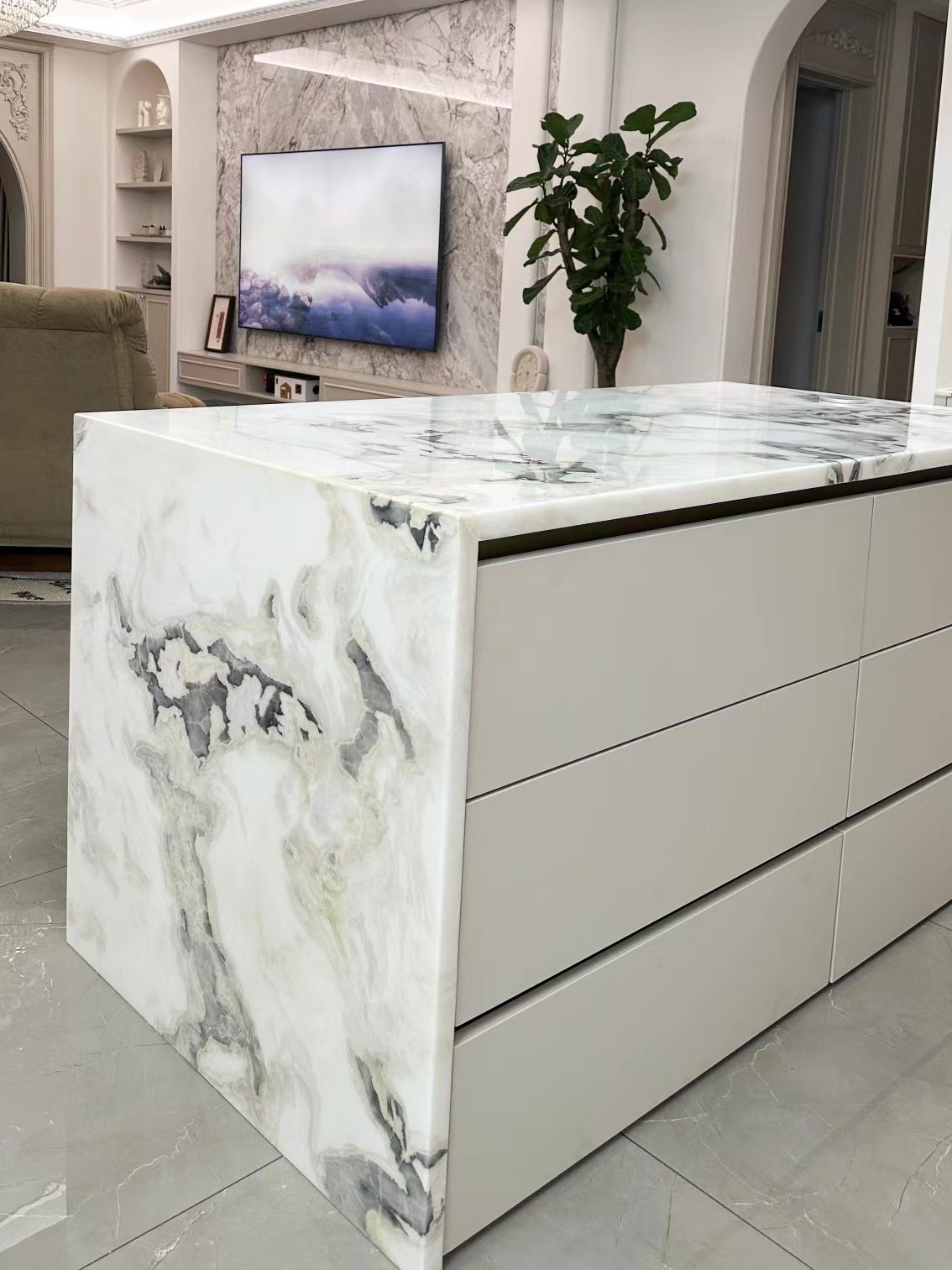 Kitchen Splashbacks and Upstands For Wall Protection
Kitchen Splashbacks and Upstands: Wall Protection Kitchen splashbacks and ups...
-
 The Five Quartzite Designs
The Five Quartzite Designs Quartzite is a stunning natural stone that combine...
-
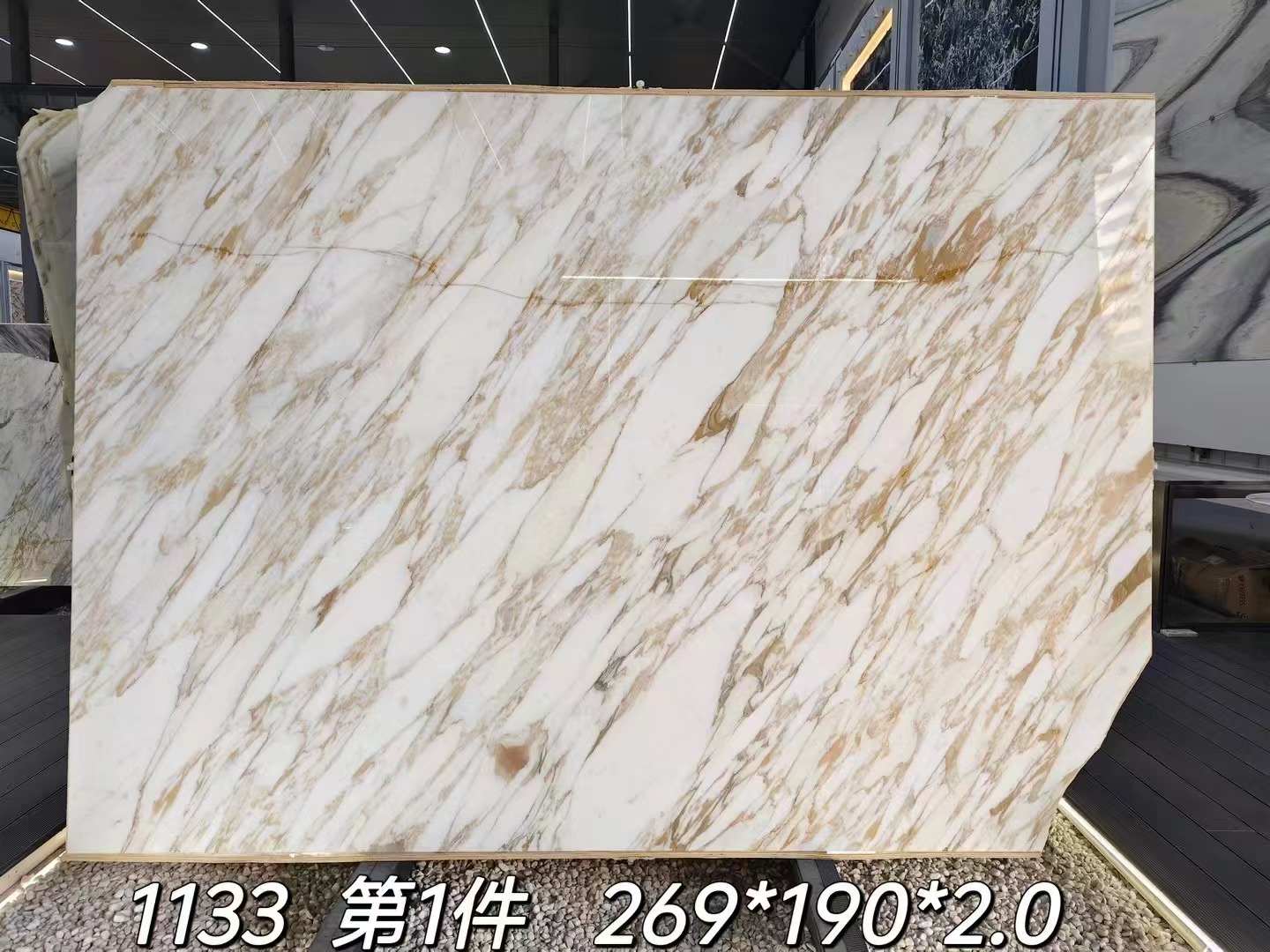
 Stunning Works: Marble Slab Wall
Stunning Works: Marble Slab Walls Marble slab walls are the epitome of luxury...
-
 Red Marble: Color And Design Combined
Red Marble: Color And Design Combined Red marble is more than just a materia...
-
 Travertine Countertops
Travertine Countertops Travertine is a natural stone known for its earthy ton...
-
 Marble Kitchen Island: Best Ideas & Inspirations
Marble Kitchen Island: Best Ideas & Inspirations A marble kitchen island ...
-
 The Pros and Cons of Natural Stone Floor Tiles
The Pros and Cons of Natural Stone Floor Tiles Natural stone floor tiles have...
-
 5 Key Factors How to Tell If Good Quality Marble
5 Key Factors How to Tell If Good Quality Marble Marble has long been a sym...
-
 5 Most Beautiful Green Stone Countertops For 2025
Introduction: Why You Should Go Green Stone with Countertops? In 2025, green ...