
- Natural Stone
- Artificial Stone


How to Identify a Kitchen’s Era Through Design Elements
By examining certain design features, it’s often easy to pinpoint the era a kitchen originates from. For instance, appliances in avocado green or harvest gold are telltale signs of the 1960s or 1970s (a testament to their durability, though perhaps a bit alarming). Ceramic tile countertops, on the other hand, typically indicate a kitchen design from the 1980s.
As natural stone countertops gained popularity in the 1990s and early 2000s, a variety of ornate edge profiles emerged, such as the curvy Ogee Bullnose, the tiered Triple Pencil, or the angular and curved Dupont style. Over time, however, these elaborate designs fell out of favor. Today, modern kitchens favor clean, simple lines, with mitered edges being a particularly popular choice. But what exactly is a mitered edge countertop, and why is it ideal for your kitchen remodel?
What Is a Mitered Edge?
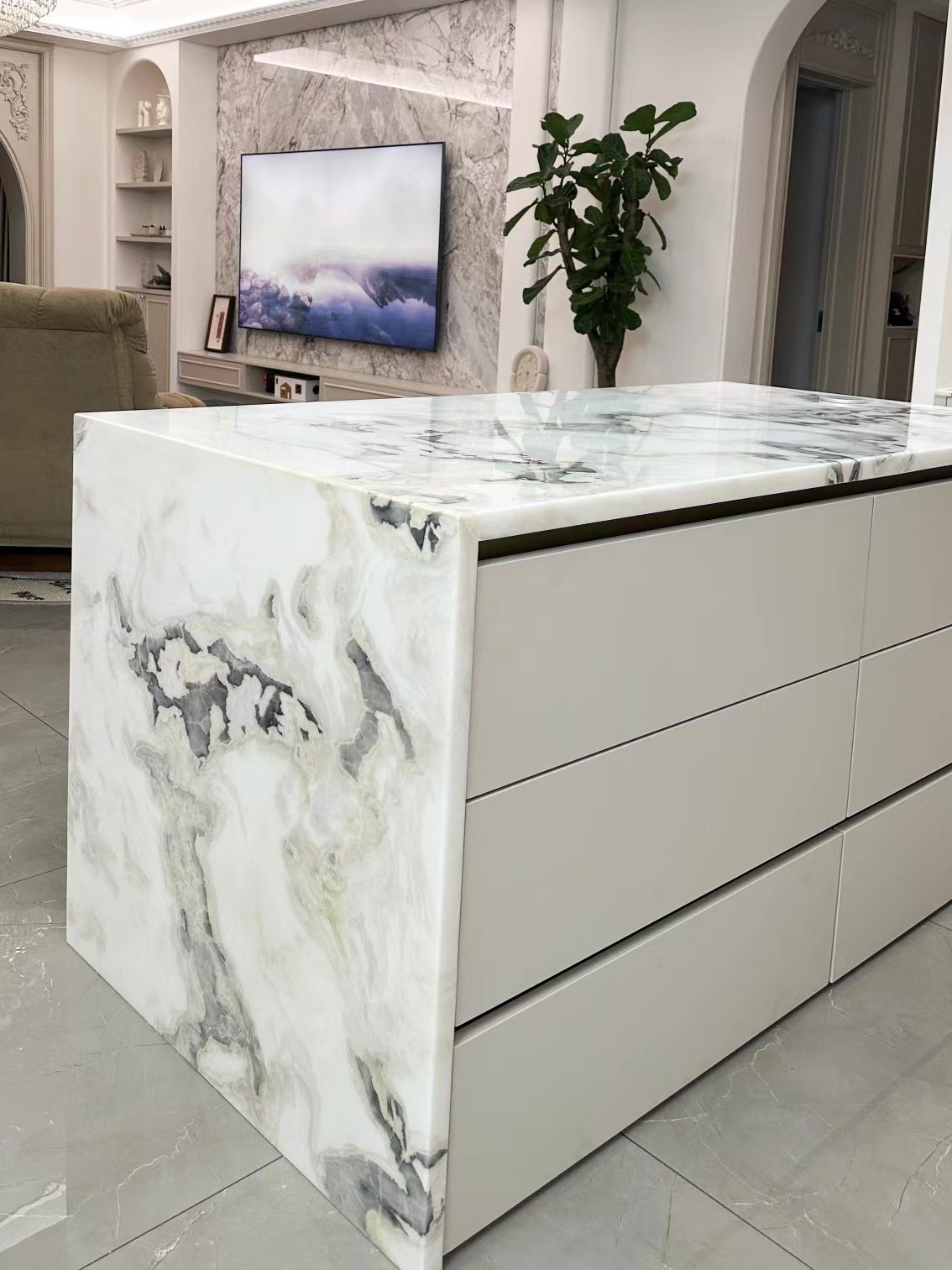
A mitered edge is created by cutting two edges at 45-degree angles and joining them to form a seamless 90-degree edge. This technique places the seam at the corner, creating the illusion that the horizontal countertop flows effortlessly into the vertical edge. It’s especially striking in waterfall designs but works beautifully on any 90-degree countertop edge.
Benefits of Choosing a Mitered Edge
While rounded edges might be more practical for households with young children, mitered edges offer a sleek, modern aesthetic that appeals to many homeowners. Here are some reasons why mitered edges are a top choice for upscale kitchen designs:
1. Invisible, Seamless Finish
The mitered edge creates a seamless transition from the horizontal countertop to the vertical edge, making the joint virtually invisible. This is particularly effective when using materials with bold patterns, such as Calacatta marble. In this U-shaped New York transitional kitchen, the mitered edge allows the marble’s distinctive veining to flow uninterrupted, enhancing the overall design cohesion.
2. Modern, Minimalist Aesthetic
Modern design emphasizes clean lines and simplicity, and mitered edges fit perfectly into this aesthetic. In this contemporary New York kitchen, the sleek mitered edges on the waterfall island complement the two-tone color scheme of white flat-panel cabinets and gray granite countertops, creating a sophisticated, uncluttered look.
3. Adds Luxury Detailing
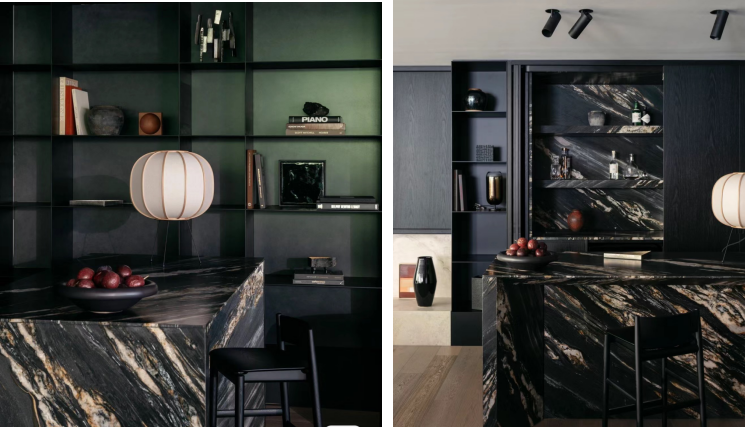
In modern design, less is often more. This elegant contemporary kitchen, inspired by luxury hotels from New York to Croatia, features black flat-panel cabinets, a copper range hood, and dynamic Val d’Orcia granite countertops. The mitered edge on the waterfall island not only preserves the stone’s unique pattern but also highlights the slab’s thickness, adding a touch of luxury.
4. Versatile Design Choice
Mitered edges are incredibly versatile, working well in a variety of design styles. While they are a natural fit for modern interiors, they can also enhance more traditional or rustic spaces. For example, in this transitional kitchen, the mitered edge on the waterfall island pairs beautifully with heavy-grained wooden cabinets, rough-hewn ceiling beams, and industrial lighting.
5. Ease of Cleaning and Maintenance
Beyond aesthetics, mitered edges are practical. Their seamless design eliminates crevices where dirt and grime can accumulate, making them easy to clean and maintain. This durability ensures your countertops remain pristine for years to come.
Conclusion
Mitered edges offer a perfect blend of modern elegance and practicality, making them an excellent choice for kitchen remodels. Whether you prefer marble, granite, or engineered quartz, a mitered edge can help you achieve the streamlined, sophisticated look you desire.
Visit an Academy Marble & Granite showroom in New York or Connecticut today to explore your options and consult with our experts. Let us help you create a kitchen that combines timeless beauty with modern functionality.
Latest News
-
 Vanity Tops are Bathroom Worktops (WC’s, Toilets, Bathrooms, Ensuites)
Vanity Tops: The Perfect Bathroom Worktops for WC’s, Toilets, and Ensui...
-
 Kitchen Splashbacks and Upstands For Wall Protection
Kitchen Splashbacks and Upstands: Wall Protection Kitchen splashbacks and ups...
-
 The Five Quartzite Designs
The Five Quartzite Designs Quartzite is a stunning natural stone that combine...
-
 Stunning Works: Marble Slab Wall
Stunning Works: Marble Slab Walls Marble slab walls are the epitome of luxury...
-
 Red Marble: Color And Design Combined
Red Marble: Color And Design Combined Red marble is more than just a materia...
-
 Travertine Countertops
Travertine Countertops Travertine is a natural stone known for its earthy ton...
-
 Marble Kitchen Island: Best Ideas & Inspirations
Marble Kitchen Island: Best Ideas & Inspirations A marble kitchen island ...
-
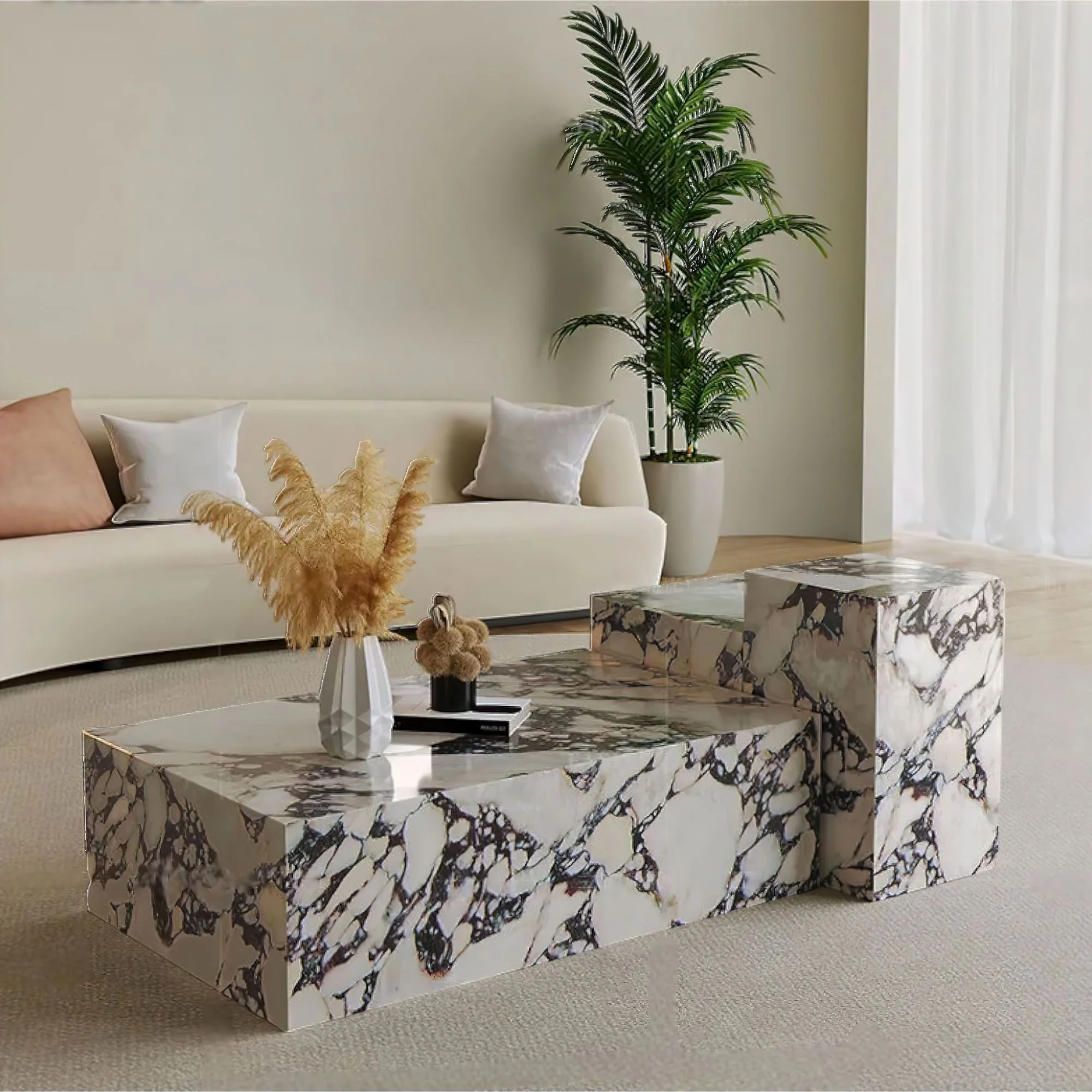 The Pros and Cons of Natural Stone Floor Tiles
The Pros and Cons of Natural Stone Floor Tiles Natural stone floor tiles have...
-
 5 Key Factors How to Tell If Good Quality Marble
5 Key Factors How to Tell If Good Quality Marble Marble has long been a sym...
-
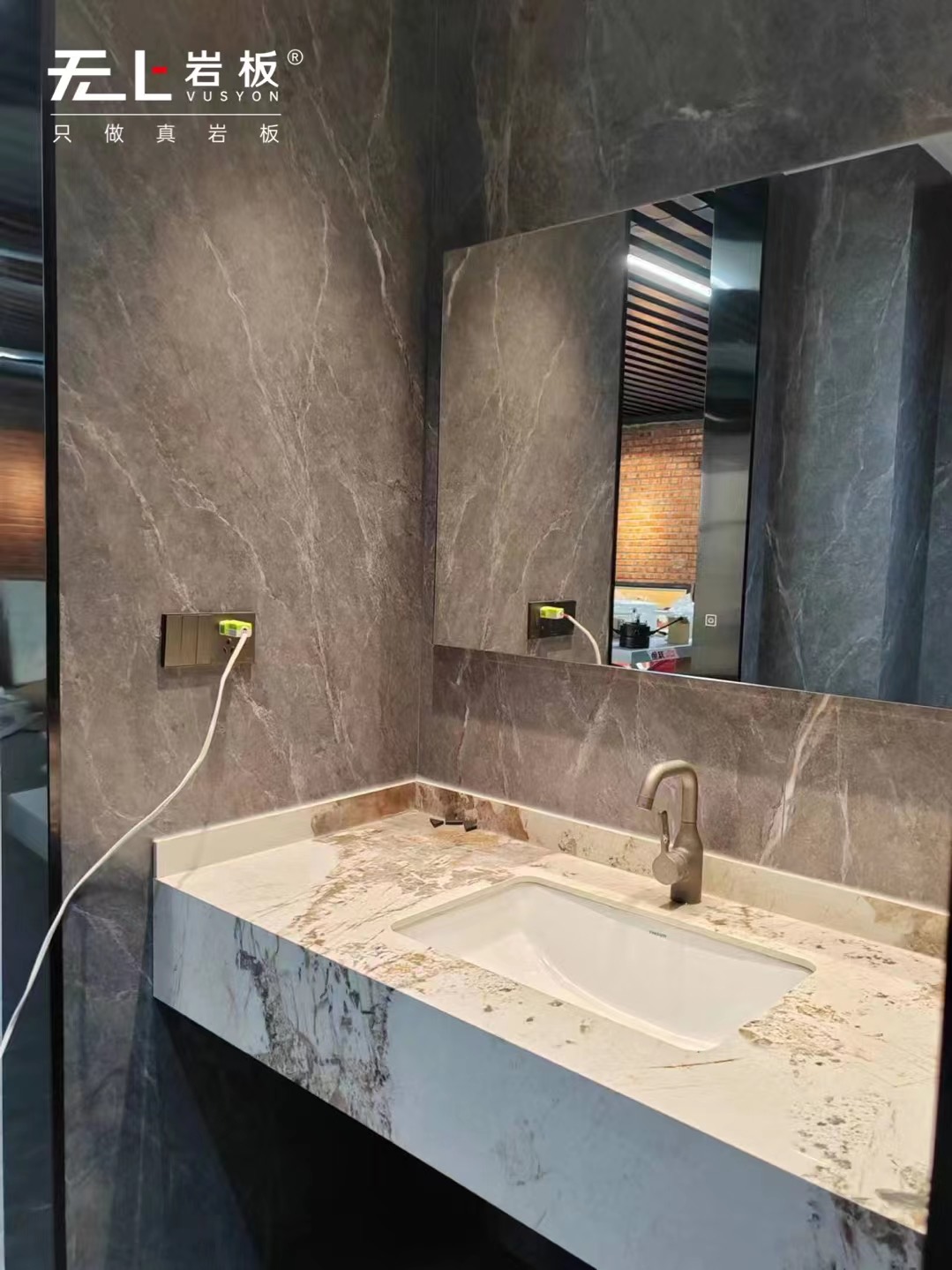 5 Most Beautiful Green Stone Countertops For 2025
Introduction: Why You Should Go Green Stone with Countertops? In 2025, green ...