
- Natural Stone
- Artificial Stone


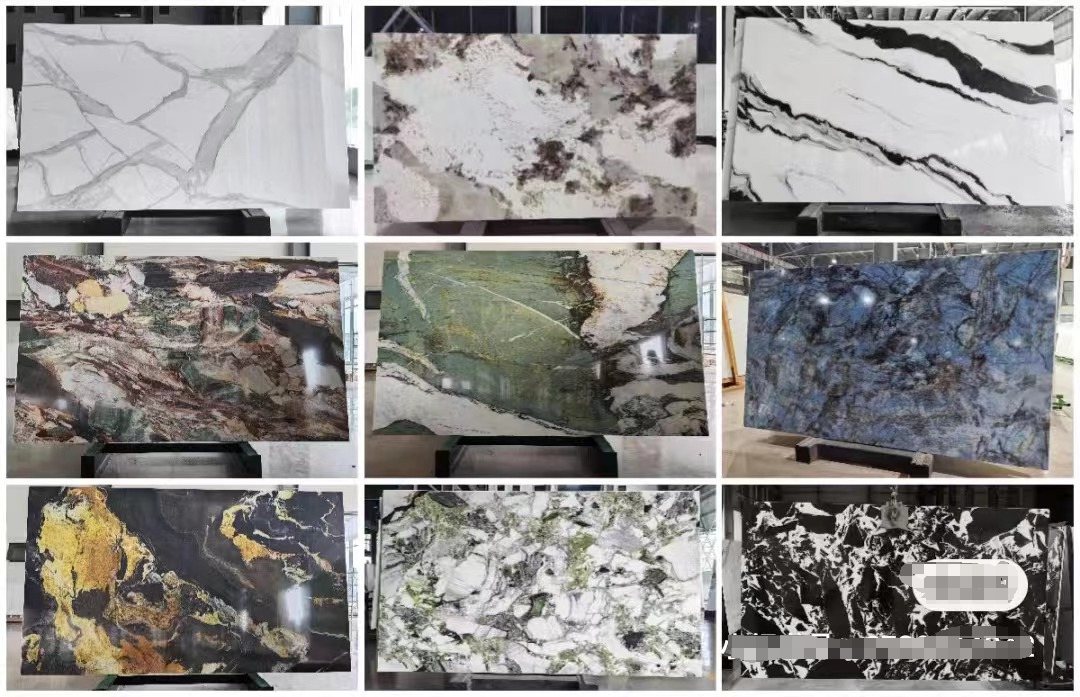
Why is Quartzite More Expensive Than Granite? A Detailed Comparison
When it comes to natural stone countertops and surfaces, granite and quartzite are two of the most popular choices. While both are durable and visually appealing, quartzite often comes with a higher price tag. This raises the question: Why is quartzite more expensive than granite? In this article, we’ll explore the key factors that contribute to quartzite’s higher cost, from its formation and extraction to its durability and aesthetic appeal.
1. Formation Process: A Tale of Time and Pressure
Quartzite’s Complex Formation
Quartzite is a metamorphic rock formed from sandstone that undergoes intense heat and pressure over millions of years. This process causes the sandstone to crystallize, resulting in a dense, durable stone with a unique structure. The natural crystallization gives quartzite its signature hardness and natural shine, making it both visually stunning and highly resilient.
Granite’s Simpler Formation
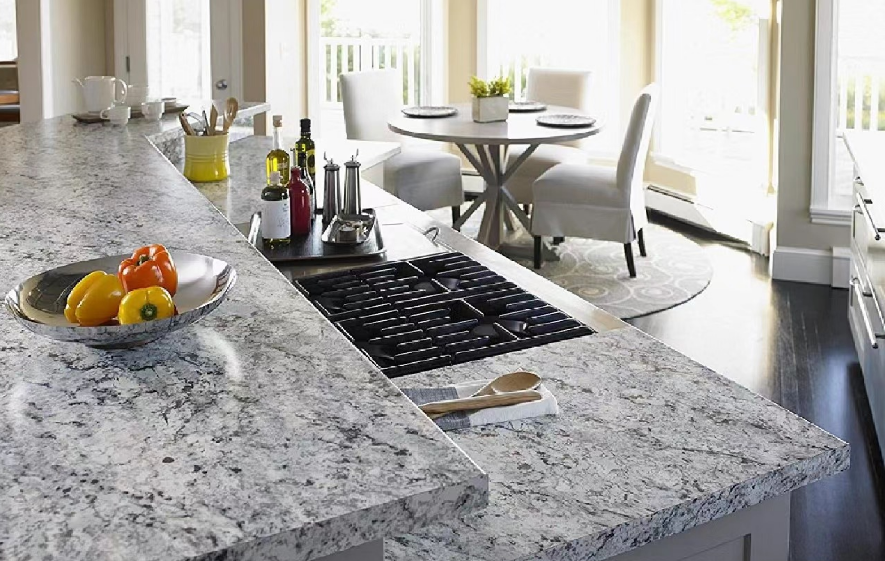
Granite, on the other hand, is an igneous rock formed from cooling magma. It is composed of minerals like quartz, feldspar, and mica, which give it its characteristic speckled appearance. Granite’s formation process is relatively quicker and less complex compared to quartzite, resulting in a softer and more porous structure.
The intricate formation process of quartzite makes it rarer and more challenging to extract, contributing to its higher cost.
2. Extraction and Processing: A Costly Endeavor
Quartzite’s Challenging Extraction
Quartzite’s density and hardness make its extraction and processing more labor-intensive and expensive. Specialized equipment, such as diamond blades and powerful cutting machines, is required to extract quartzite from quarries. These tools wear out quickly due to the stone’s hardness, adding to the overall cost.
Additionally, quartzite requires meticulous polishing to prevent cracks and ensure a flawless finish. This level of precision further increases production costs.
Granite’s Easier Extraction
Granite, being softer and more widely available, is easier and more economical to extract. The extraction process requires less specialized equipment and labor, making it a more cost-effective option.
3. Durability: Hardness Matters
Quartzite’s Superior Hardness
Quartzite scores around 7 on the Mohs hardness scale, making it one of the hardest natural stones available. This exceptional hardness makes quartzite highly resistant to scratches, impacts, and daily wear, making it ideal for high-traffic areas like kitchen countertops.
Granite’s Slightly Lower Hardness
Granite, with a Mohs hardness rating of 6 to 6.5, is also durable but not as hard as quartzite. Over time, granite may show minor scratches or signs of wear, especially in high-traffic areas.
Quartzite’s superior durability ensures it maintains its pristine appearance for longer, justifying its higher price.
4. Aesthetic Appeal: Elegance vs. Warmth
Quartzite’s Marble-Like Beauty
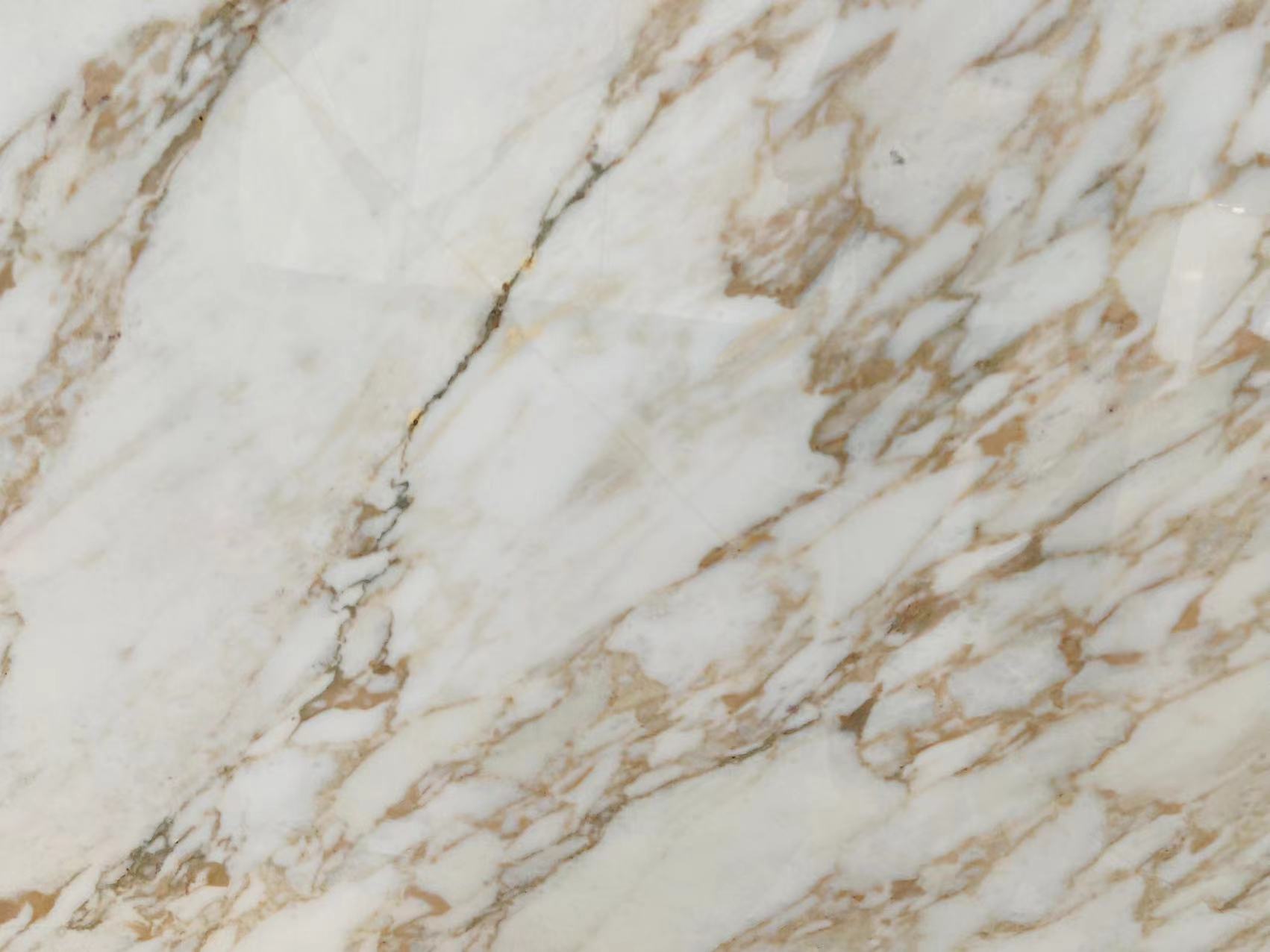
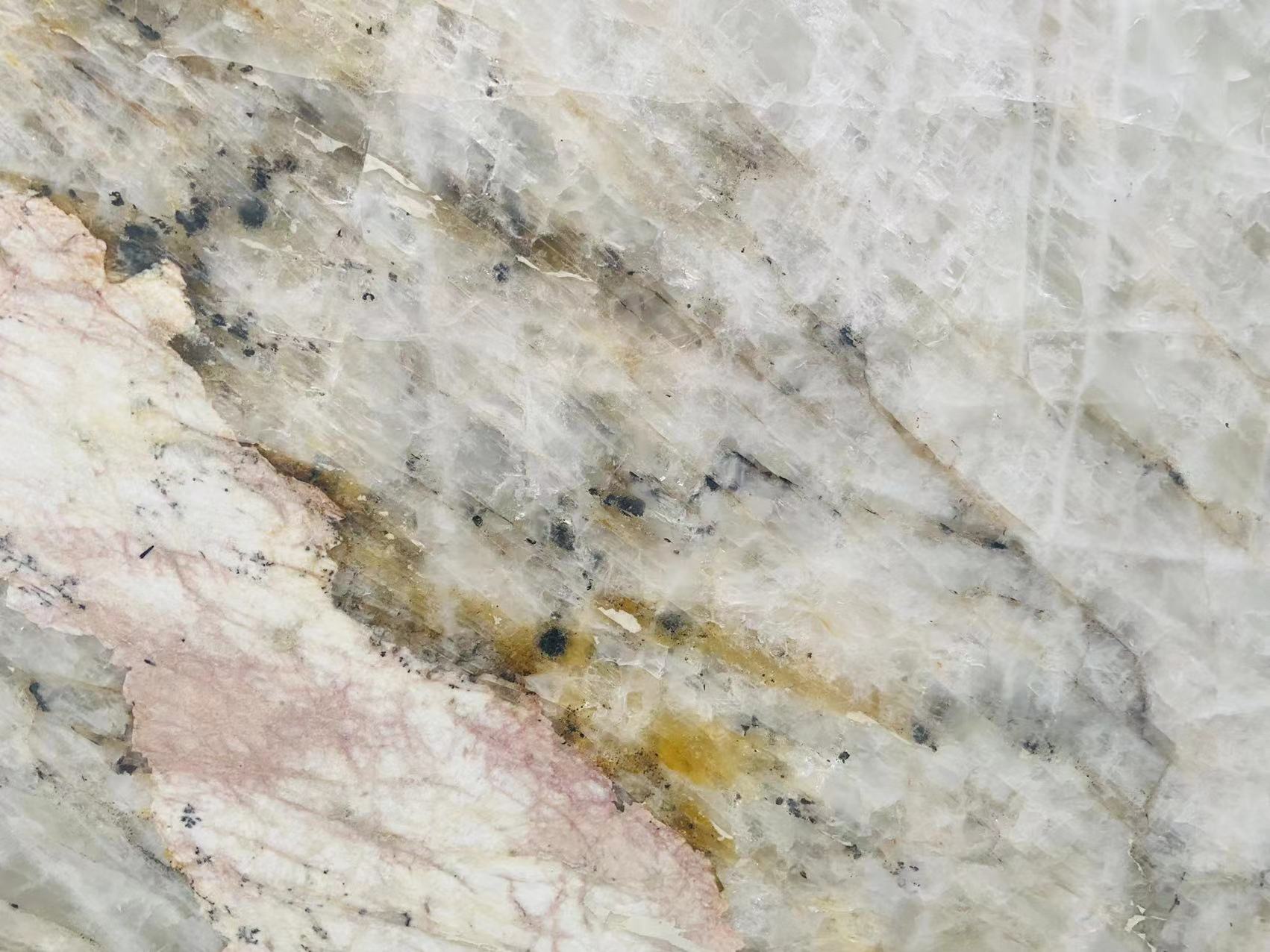
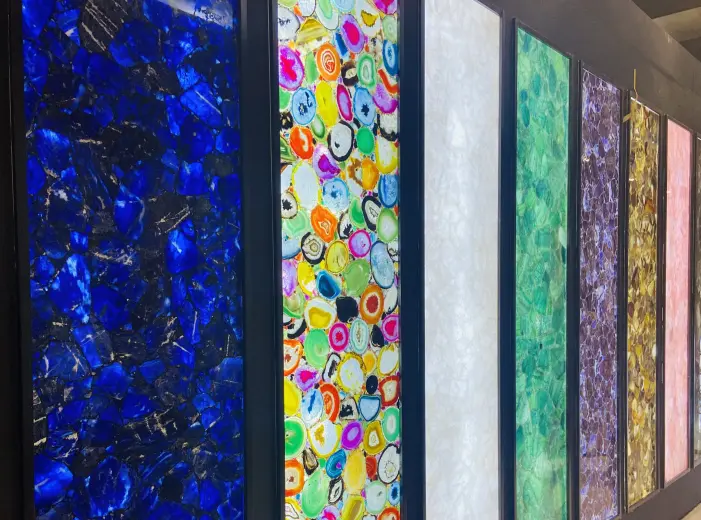
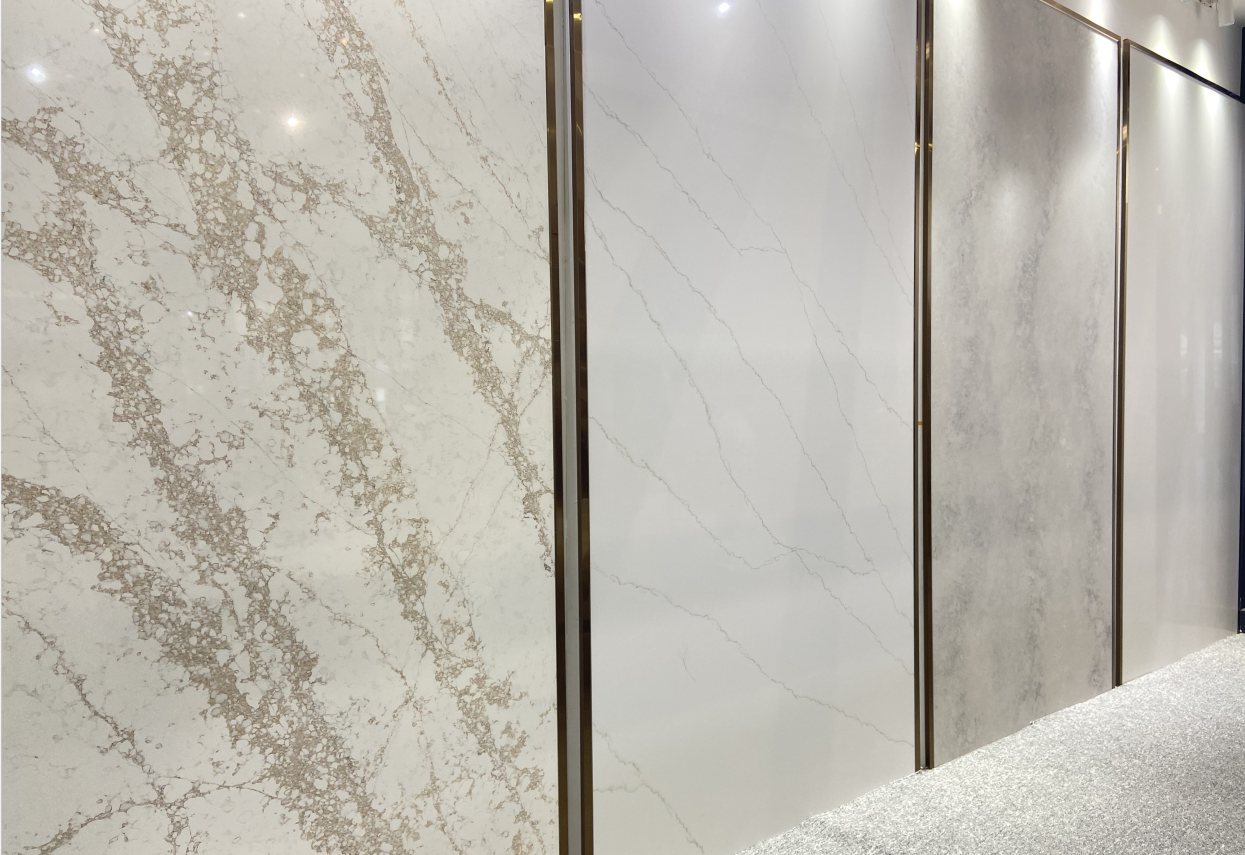
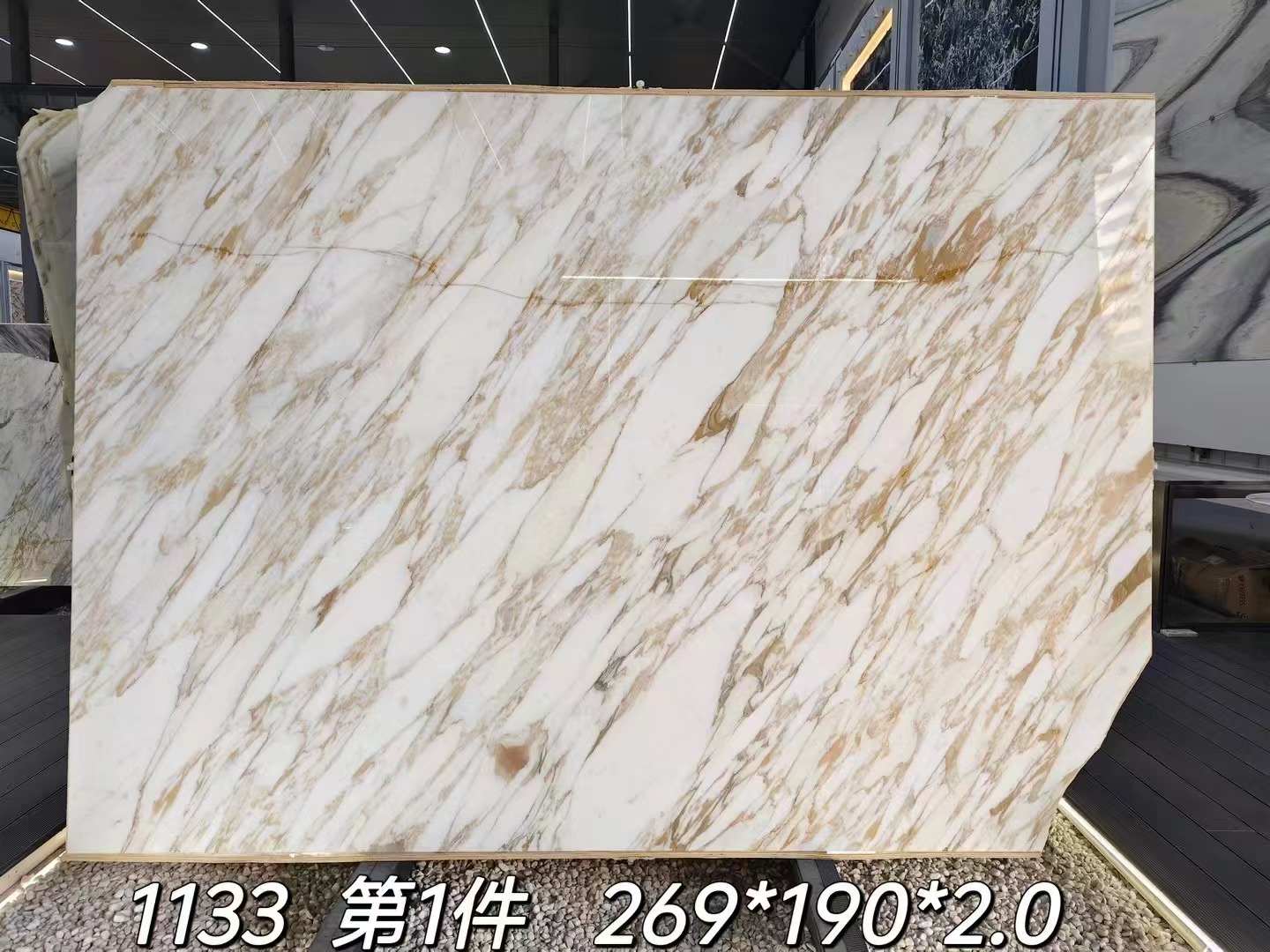
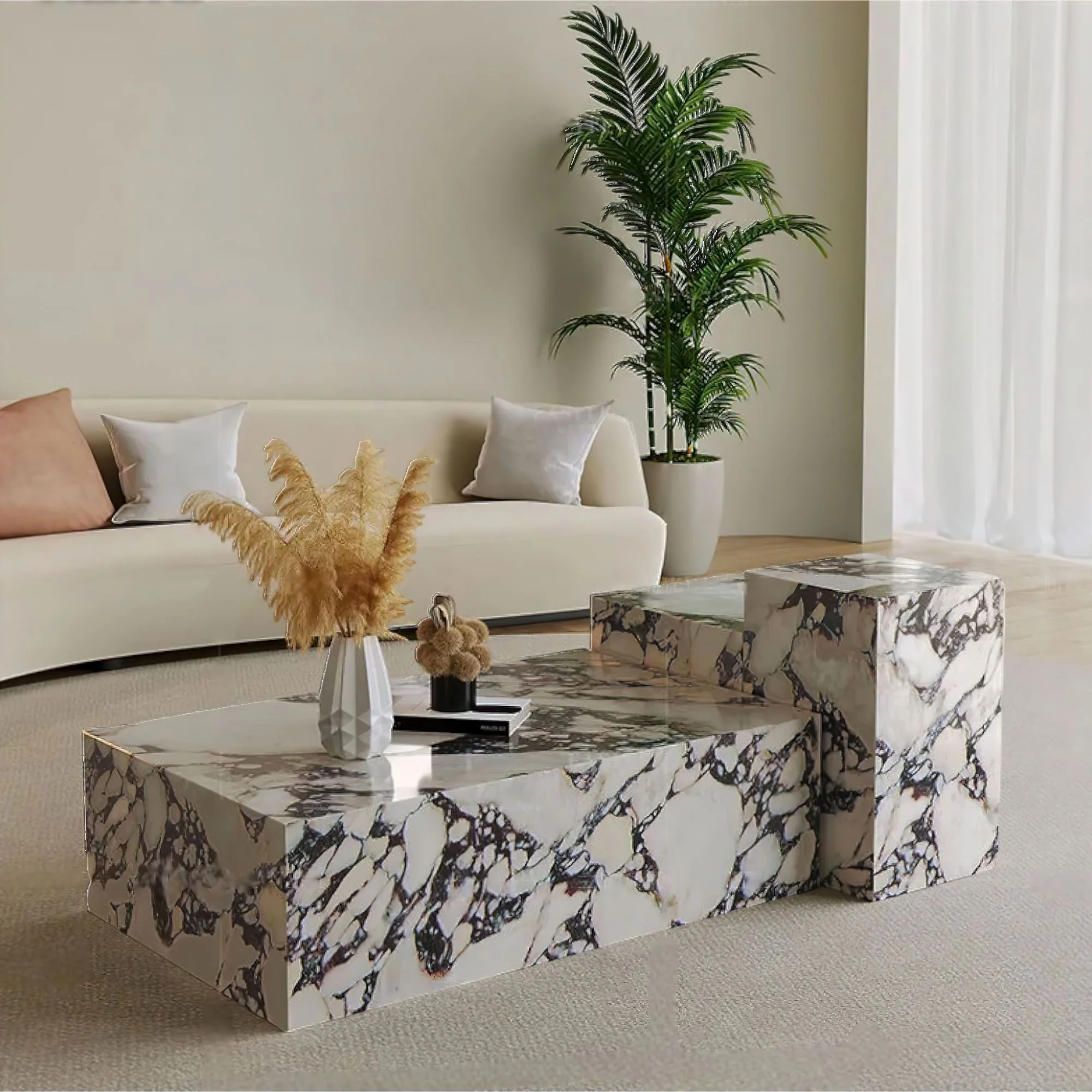
Quartzite is prized for its natural veining and wide range of colors, including white, gray, pink, and green. Its marble-like appearance adds a touch of sophistication and luxury to any space, making it a favorite for high-end projects.
Granite’s Speckled Charm
Granite, with its speckled appearance and warm tones, offers a more inviting and traditional look. While it is visually appealing, it lacks the refined elegance of quartzite.
Quartzite’s unique aesthetic appeal and luxurious vibe contribute to its higher cost.
5. Rarity and Limited Supply
Quartzite’s Scarcity
Quartzite is not as widely available as granite. It is found only in specific regions, and its extraction is more challenging due to its hardness. This limited supply, combined with high demand, drives up its price.
Granite’s Abundance
Granite is more abundant and widely distributed, making it more accessible and affordable. Its extensive supply network helps keep prices lower compared to quartzite.
6. Maintenance and Longevity
Quartzite’s Low Maintenance
Quartzite is less porous than granite, making it highly resistant to stains and scratches. It requires minimal maintenance, such as occasional sealing, to maintain its appearance.
Granite’s Higher Maintenance
Granite, being more porous, requires more frequent cleaning and periodic resealing to prevent stains and maintain its shine.
While quartzite’s initial cost is higher, its low maintenance requirements make it a cost-effective choice in the long run.
7. Versatility and Performance
Quartzite’s High Performance
Quartzite’s resistance to heat, abrasion, and humidity makes it ideal for high-performance areas like kitchen countertops, bathroom surfaces, and outdoor projects. Its durability ensures it can withstand demanding conditions without losing its appeal.
Granite’s Versatility
Granite is also versatile but may not perform as well as quartzite in extreme conditions. It is better suited for indoor applications where durability requirements are less stringent.
8. Brand Value and Perception
Quartzite’s Luxury Appeal
Quartzite is often associated with luxury and prestige, making it a preferred choice for high-end projects. Its premium image and exclusivity contribute to its higher price.
Granite’s Accessibility
Granite, being more affordable and widely used, is often chosen for mid-range projects. Its accessibility and practicality make it a popular choice for everyday applications.
9. Labor Costs and Expertise
Quartzite’s Specialized Handling
Quartzite’s hardness requires skilled craftsmanship and advanced equipment for cutting, shaping, and polishing. This specialized handling increases labor costs, adding to its overall price.
Granite’s Simpler Processing
Granite, being softer, requires less specialized handling and equipment, making its processing more cost-effective.
10. Long-Term Value and Investment
Quartzite’s Lasting Appeal
Quartzite retains its color, shine, and structural integrity for many years, even under harsh conditions. Its ability to maintain its aesthetic properties makes it a valuable long-term investment.
Granite’s Aging Process
Granite may lose some of its brightness over time and require periodic care to maintain its appearance.
Conclusion: Is Quartzite Worth the Investment?
Quartzite’s higher cost is justified by its superior durability, stunning aesthetic appeal, and low maintenance requirements. While granite is a practical and affordable option, quartzite offers unmatched elegance and longevity, making it a worthwhile investment for high-end projects.
If you’re looking for a natural stone that combines beauty, durability, and luxury, quartzite is the perfect choice. Visit our showroom to explore our collection of quartzite and granite, and let us help you find the ideal stone for your next project.
Latest News
-
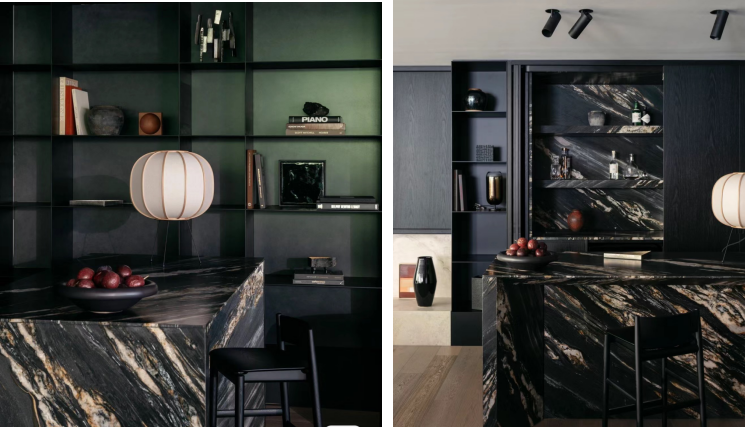 Vanity Tops are Bathroom Worktops (WC’s, Toilets, Bathrooms, Ensuites)
Vanity Tops: The Perfect Bathroom Worktops for WC’s, Toilets, and Ensui...
-
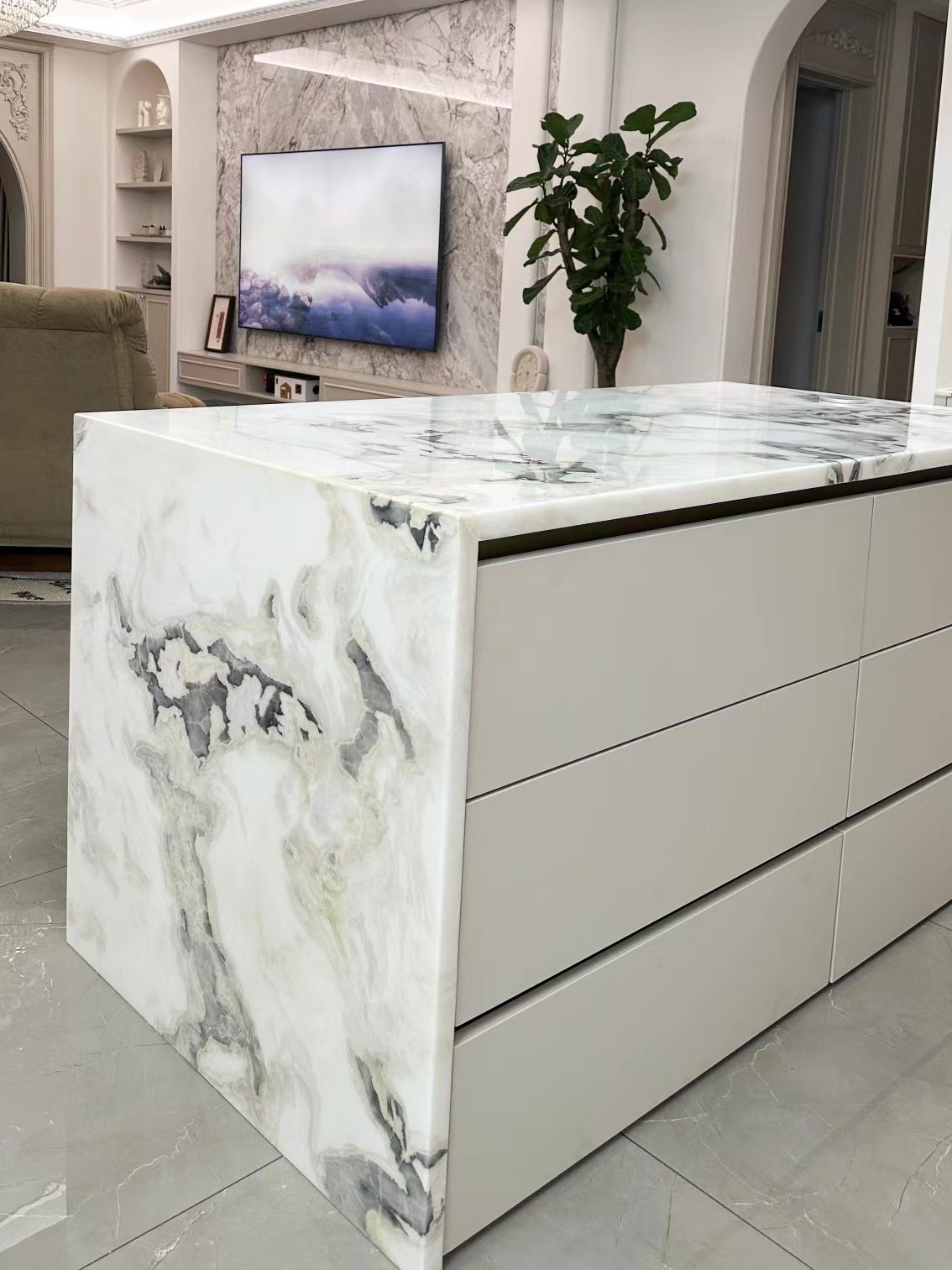 Kitchen Splashbacks and Upstands For Wall Protection
Kitchen Splashbacks and Upstands: Wall Protection Kitchen splashbacks and ups...
-
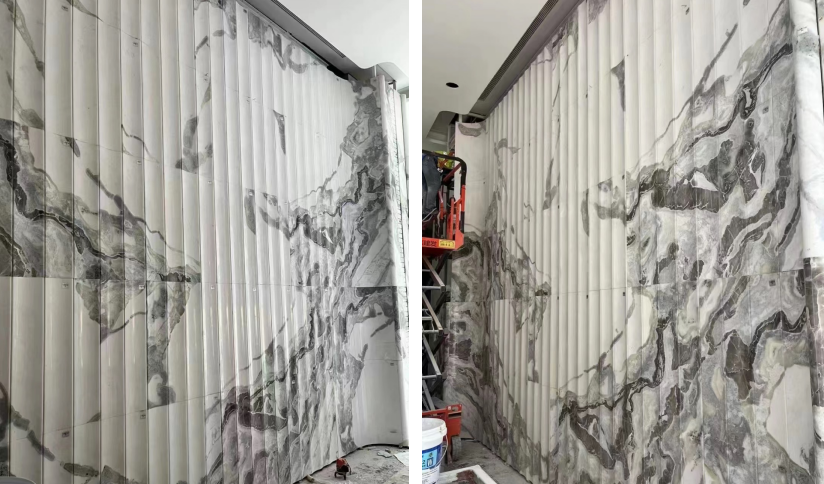 The Five Quartzite Designs
The Five Quartzite Designs Quartzite is a stunning natural stone that combine...
-
 Stunning Works: Marble Slab Wall
Stunning Works: Marble Slab Walls Marble slab walls are the epitome of luxury...
-
 Red Marble: Color And Design Combined
Red Marble: Color And Design Combined Red marble is more than just a materia...
-
 Travertine Countertops
Travertine Countertops Travertine is a natural stone known for its earthy ton...
-
 Marble Kitchen Island: Best Ideas & Inspirations
Marble Kitchen Island: Best Ideas & Inspirations A marble kitchen island ...
-
 The Pros and Cons of Natural Stone Floor Tiles
The Pros and Cons of Natural Stone Floor Tiles Natural stone floor tiles have...
-
 5 Key Factors How to Tell If Good Quality Marble
5 Key Factors How to Tell If Good Quality Marble Marble has long been a sym...
-
 5 Most Beautiful Green Stone Countertops For 2025
Introduction: Why You Should Go Green Stone with Countertops? In 2025, green ...