
- Natural Stone
- Artificial Stone




Granite Countertops: Why They’re Better Than Marble
Countertops are a central feature in any kitchen or bathroom, serving both functional and aesthetic purposes. They not only provide a workspace for daily tasks but also contribute significantly to the overall design and appeal of the room. When it comes to choosing the right countertop material, granite and marble are two of the most popular options. While both are natural stones with their own unique qualities, granite often stands out as the superior choice for many homeowners. Here’s why granite countertops are better than marble.
1. Durability
One of the most significant advantages of granite countertops is their durability. Granite is an extremely hard material, ranking between 6 and 7 on the Mohs hardness scale, which measures the resistance of minerals to scratching. This makes it one of the toughest natural stones available, second only to diamonds in terms of hardness. Marble, on the other hand, is much softer and more porous, making it more susceptible to damage.
Granite’s durability makes it an excellent choice for high-traffic areas like kitchens, where countertops are subjected to daily use. It is highly resistant to chipping, cracking, and scratching, ensuring that your countertops will remain in pristine condition for years to come. Even if damage does occur, granite is relatively easy to repair compared to marble.
Additionally, granite is heat-resistant, meaning you can place hot pots and pans directly on its surface without worrying about burns or discoloration. This is a significant advantage over materials like laminate or wood, which can be easily damaged by heat. For families or individuals who use their kitchens frequently, granite’s durability makes it a practical and long-lasting choice.
2. Scratch and Stain Resistance
Granite’s resistance to scratches and stains is another reason why it outperforms marble. While both materials require sealing to protect their surfaces, granite’s natural density makes it less porous than marble. This means that liquids are less likely to penetrate granite, reducing the risk of staining.
Marble, being more porous, is more vulnerable to stains, especially from acidic substances. Even with regular sealing, marble countertops can still develop stains over time, which can be difficult or impossible to remove. Granite, on the other hand, maintains its appearance much better, even in high-use areas.
For households that do a lot of cooking or have children, granite’s scratch and stain resistance is a major advantage. You won’t have to worry about spills or accidental scratches ruining the look of your countertops. This makes granite a more practical and low-maintenance option for busy kitchens.
3. Easier Maintenance
Granite countertops are known for being easy to maintain, which is a significant advantage over marble. While both materials require sealing to protect their surfaces, granite’s durability and resistance to stains make it simpler to care for in the long run.
After the initial installation and sealing, granite countertops only need to be resealed every few years to maintain their protective barrier. In many cases, homeowners can even apply the sealant themselves, saving on maintenance costs. Daily cleaning is straightforward—just wipe down the surface with a mild detergent and water to keep it looking new.
Marble, however, requires more frequent sealing and careful maintenance to prevent stains and etching. Acidic substances like vinegar, wine, or citrus juices can easily damage marble if not cleaned up immediately. This makes marble countertops more high-maintenance and less ideal for busy households.
4. Unique Appearance
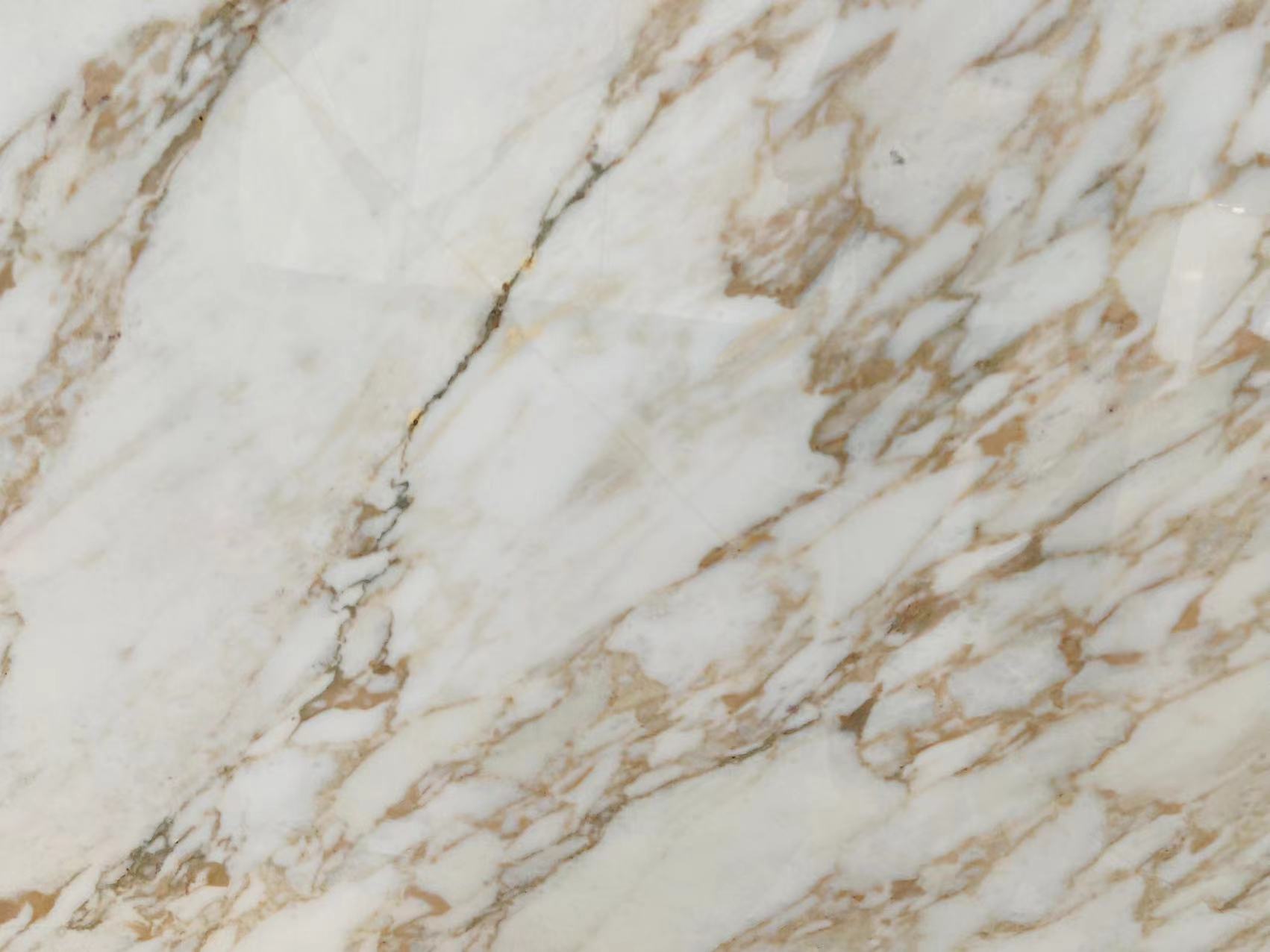
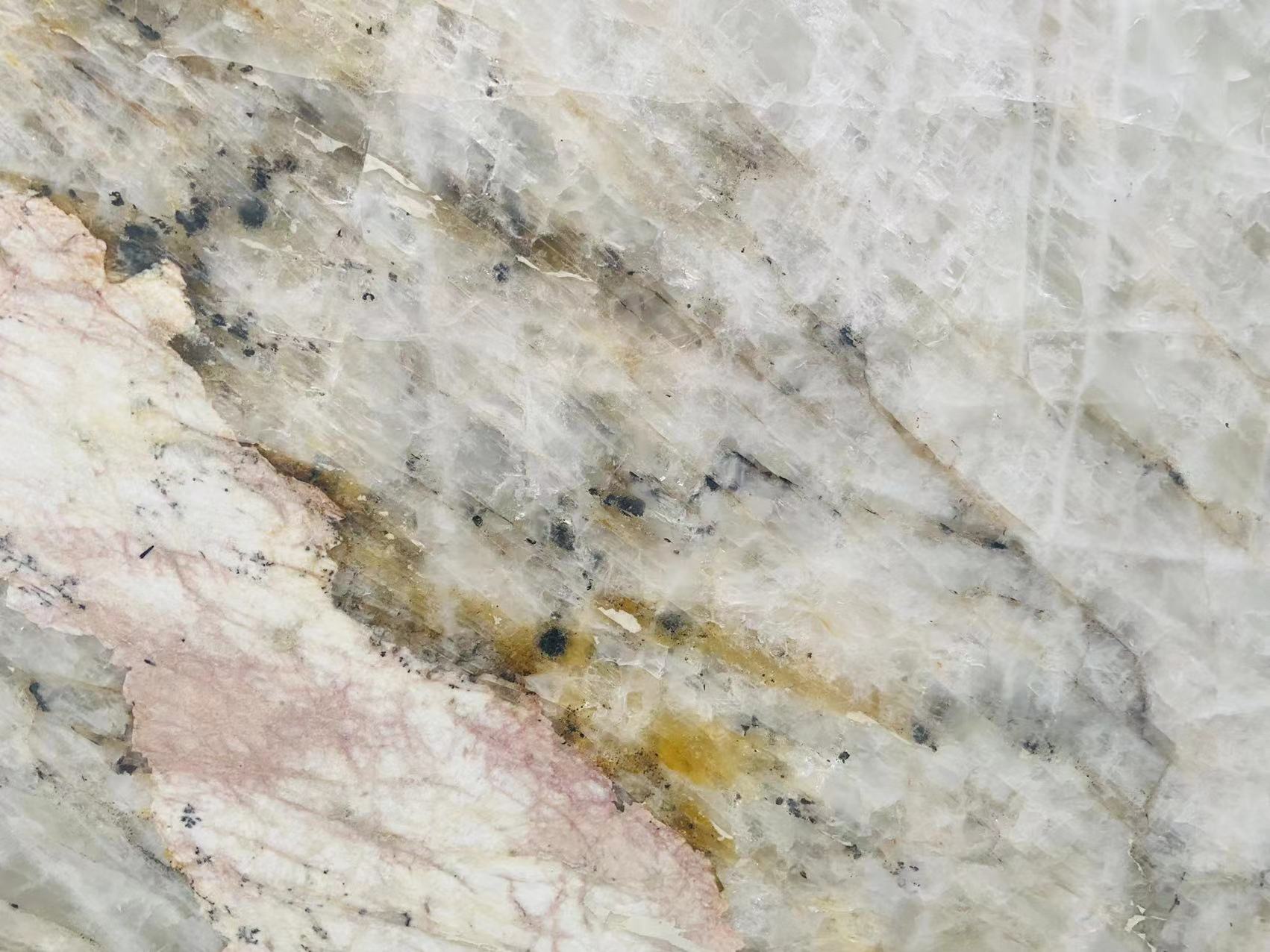
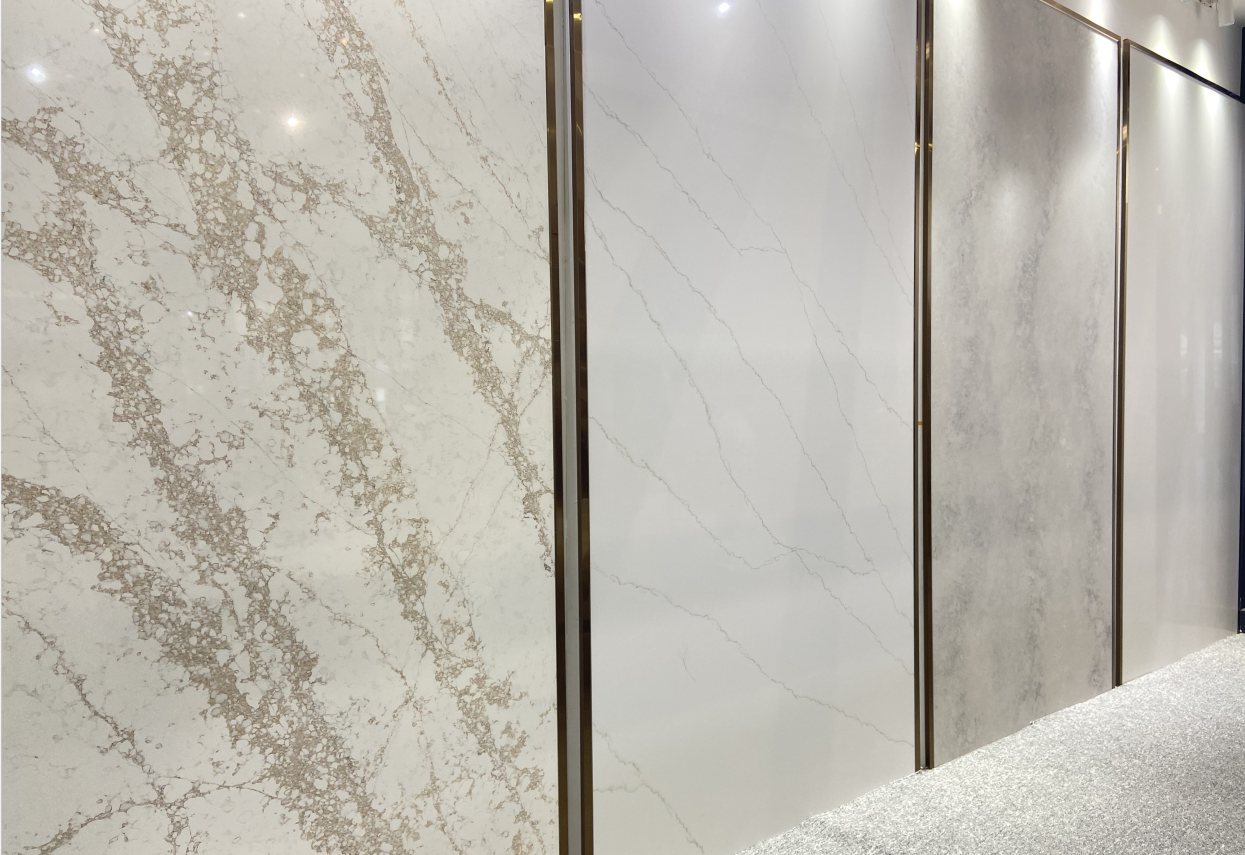
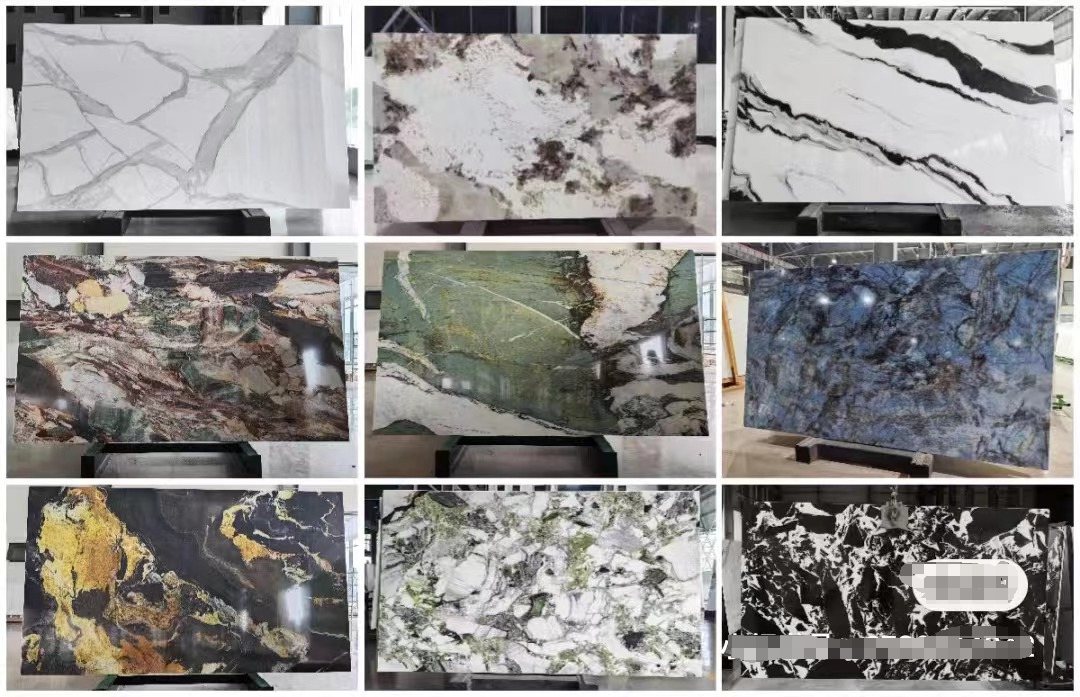
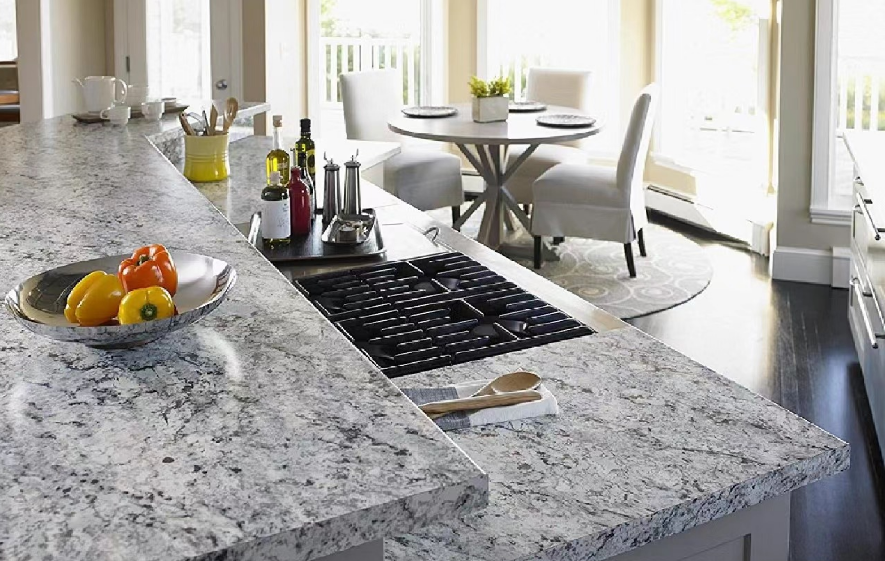
Granite’s natural beauty is one of its most appealing features. Each slab of granite is unique, with its own distinct patterns, colors, and textures. This means that no two granite countertops are exactly alike, giving your kitchen or bathroom a one-of-a-kind look.
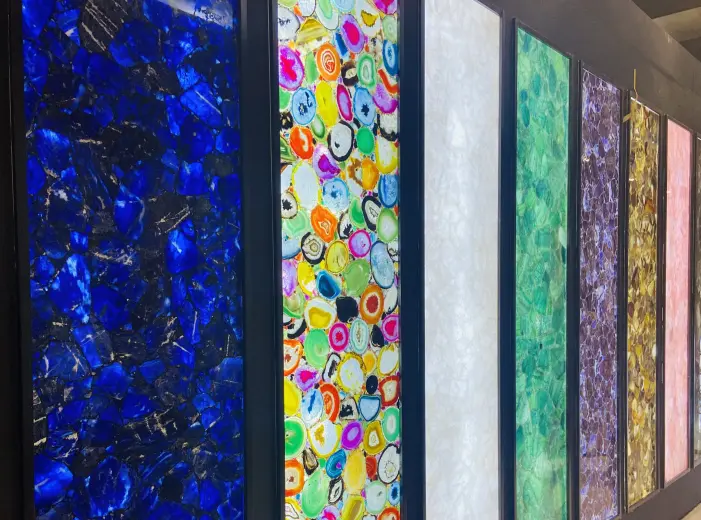
Granite comes in a wide range of colors, from classic blacks and whites to vibrant blues, greens, and reds. Its natural veining and speckled patterns add depth and character to any space, making it a versatile choice for various design styles. Whether you prefer a modern, minimalist look or a more traditional aesthetic, there’s a granite option to suit your taste.
Marble, while undeniably beautiful, tends to have a more uniform appearance. Its classic white or gray tones with subtle veining are timeless, but they lack the variety and uniqueness of granite. For homeowners who want a countertop that stands out and adds a touch of luxury, granite is the better choice.
5. Increased Home Value
Investing in granite countertops can significantly increase the value of your home. Granite is widely regarded as a premium material, and its presence in a kitchen or bathroom can make your home more attractive to potential buyers. Its durability and timeless appeal ensure that it will continue to add value to your property for years to come.
In contrast, marble countertops, while elegant, may not have the same broad appeal due to their higher maintenance requirements and susceptibility to damage. Buyers may be hesitant to purchase a home with marble countertops, knowing that they could require costly repairs or replacements in the future.
By choosing granite, you’re not only enhancing the beauty and functionality of your home but also making a smart investment that will pay off in the long run.
6. Cost-Effectiveness
While granite countertops may have a higher upfront cost compared to some materials, their long-term cost-effectiveness makes them a better choice than marble. Granite’s durability and low maintenance requirements mean that you won’t have to spend money on frequent repairs or replacements.
Marble, on the other hand, is more prone to damage and requires more frequent sealing and care, which can add up over time. For homeowners looking for a countertop material that offers both beauty and practicality, granite is the more economical choice in the long run.
Conclusion
When it comes to choosing between granite and marble countertops, granite is the clear winner for many homeowners. Its durability, scratch and stain resistance, ease of maintenance, unique appearance, and ability to increase home value make it a superior choice for kitchens and bathrooms.
While marble has its own charm and elegance, its higher maintenance requirements and susceptibility to damage make it less practical for everyday use. Granite, on the other hand, offers the perfect balance of beauty and functionality, ensuring that your countertops will remain a stunning and durable feature of your home for years to come.
If you’re ready to upgrade your countertops, consider granite for a timeless, luxurious, and practical solution. With its wide range of colors and patterns, you’re sure to find the perfect granite countertop to complement your home’s design and meet your needs.
Latest News
-
 Vanity Tops are Bathroom Worktops (WC’s, Toilets, Bathrooms, Ensuites)
Vanity Tops: The Perfect Bathroom Worktops for WC’s, Toilets, and Ensui...
-
 Kitchen Splashbacks and Upstands For Wall Protection
Kitchen Splashbacks and Upstands: Wall Protection Kitchen splashbacks and ups...
-
 The Five Quartzite Designs
The Five Quartzite Designs Quartzite is a stunning natural stone that combine...
-
 Stunning Works: Marble Slab Wall
Stunning Works: Marble Slab Walls Marble slab walls are the epitome of luxury...
-
 Red Marble: Color And Design Combined
Red Marble: Color And Design Combined Red marble is more than just a materia...
-
 Travertine Countertops
Travertine Countertops Travertine is a natural stone known for its earthy ton...
-
 Marble Kitchen Island: Best Ideas & Inspirations
Marble Kitchen Island: Best Ideas & Inspirations A marble kitchen island ...
-
 The Pros and Cons of Natural Stone Floor Tiles
The Pros and Cons of Natural Stone Floor Tiles Natural stone floor tiles have...
-
 5 Key Factors How to Tell If Good Quality Marble
5 Key Factors How to Tell If Good Quality Marble Marble has long been a sym...
-
 5 Most Beautiful Green Stone Countertops For 2025
Introduction: Why You Should Go Green Stone with Countertops? In 2025, green ...