
- Natural Stone
- Artificial Stone


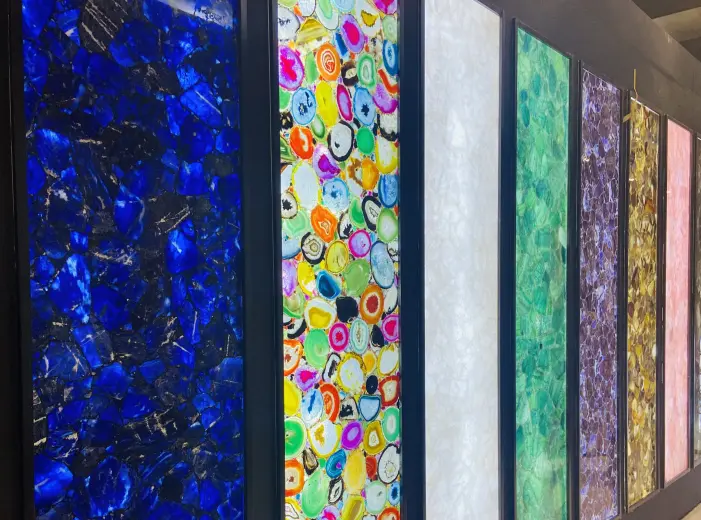
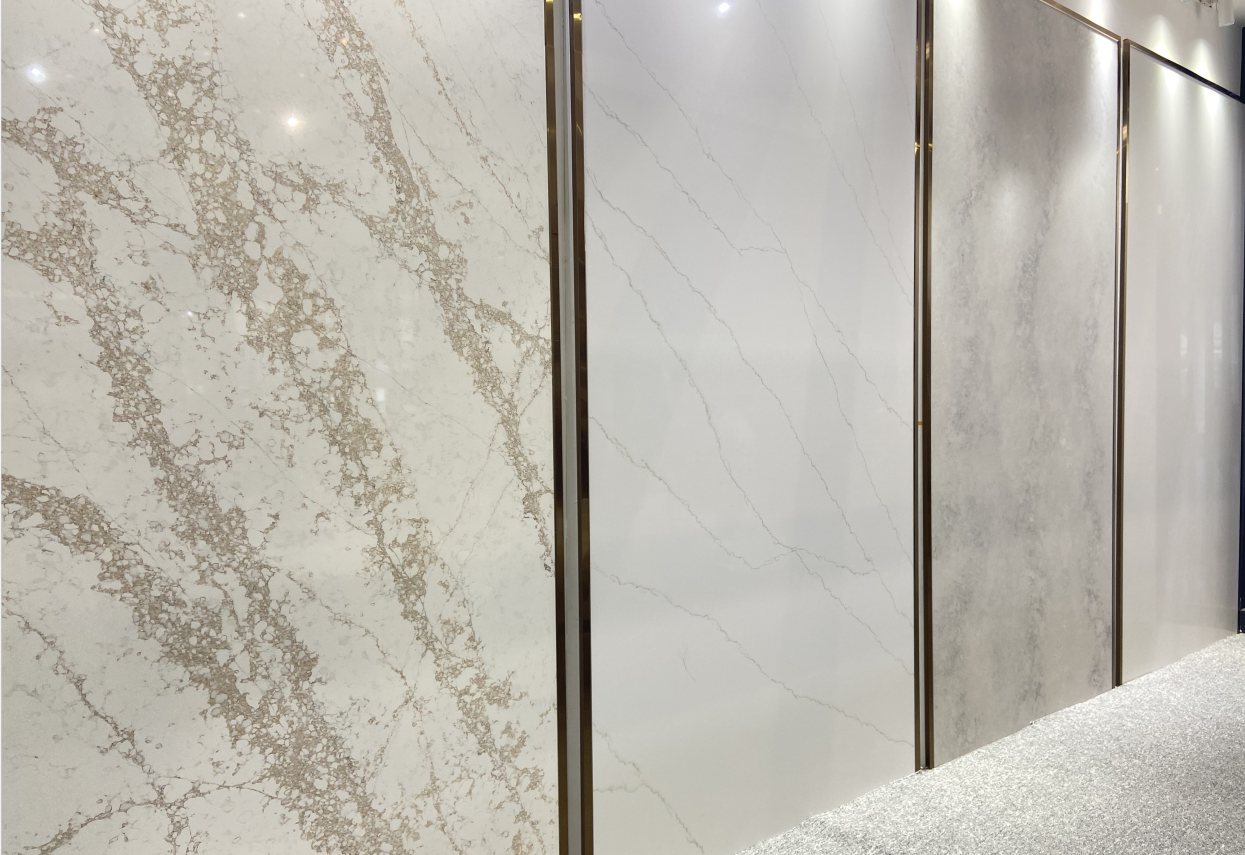


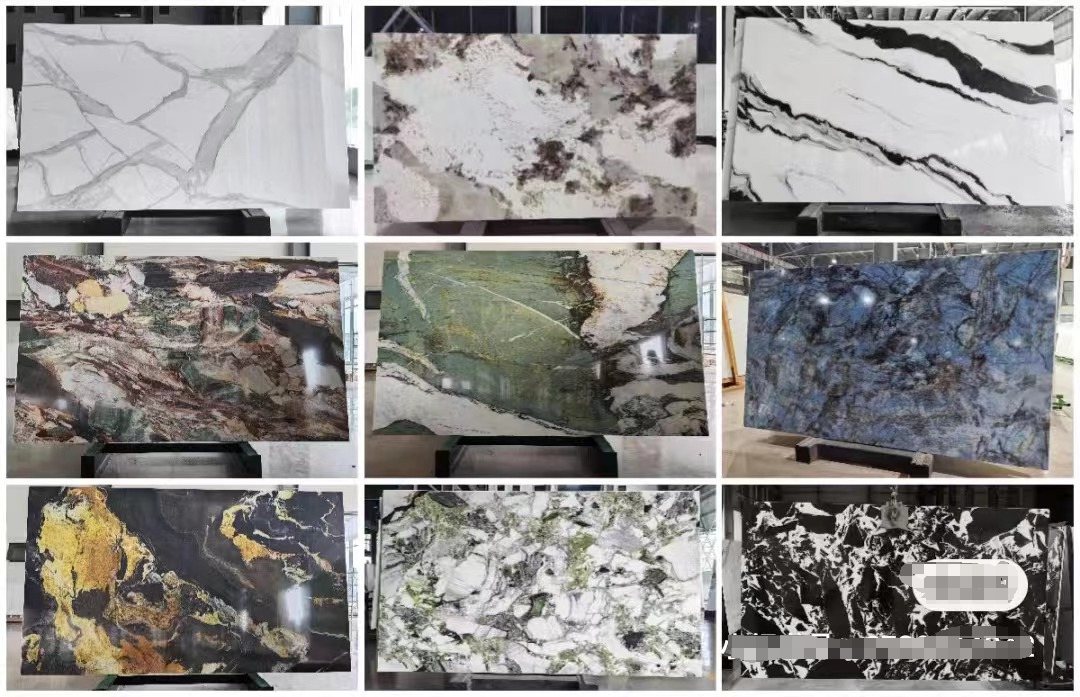
Onyx: A Timeless Stone of Beauty and Legend
Earth is home to an incredible diversity of natural rocks, each with its own unique story, properties, and uses. Among these, onyx stands out as one of the most significant stones in history, deeply rooted in ancient Greek mythology and revered for its beauty and mystique. From its geological formation to its vibrant colors and legendary tales, onyx has captivated humanity for centuries. This article explores the fascinating world of onyx, delving into its origins, properties, uses, and the myths that surround it.
What Exactly is Onyx?
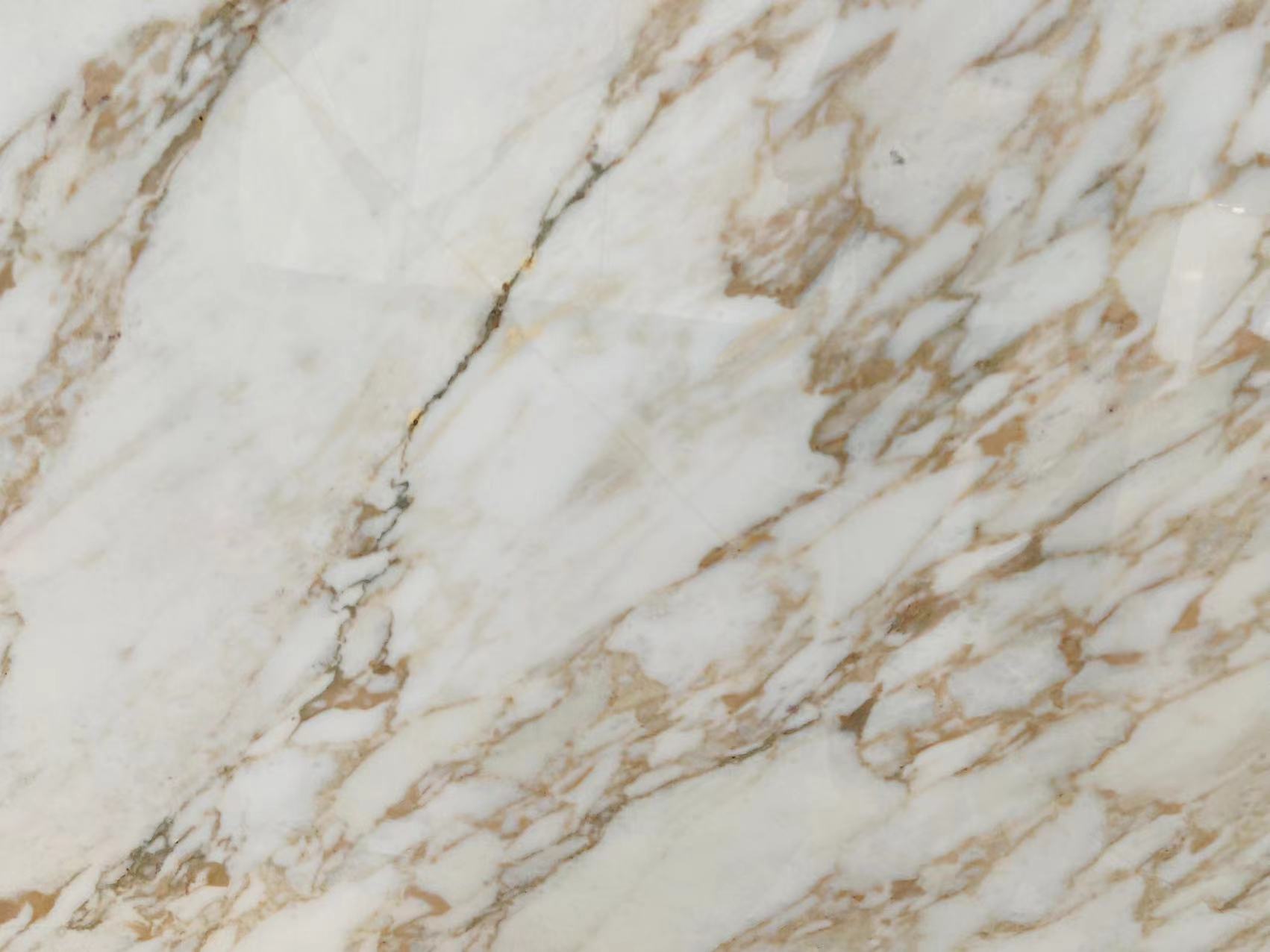
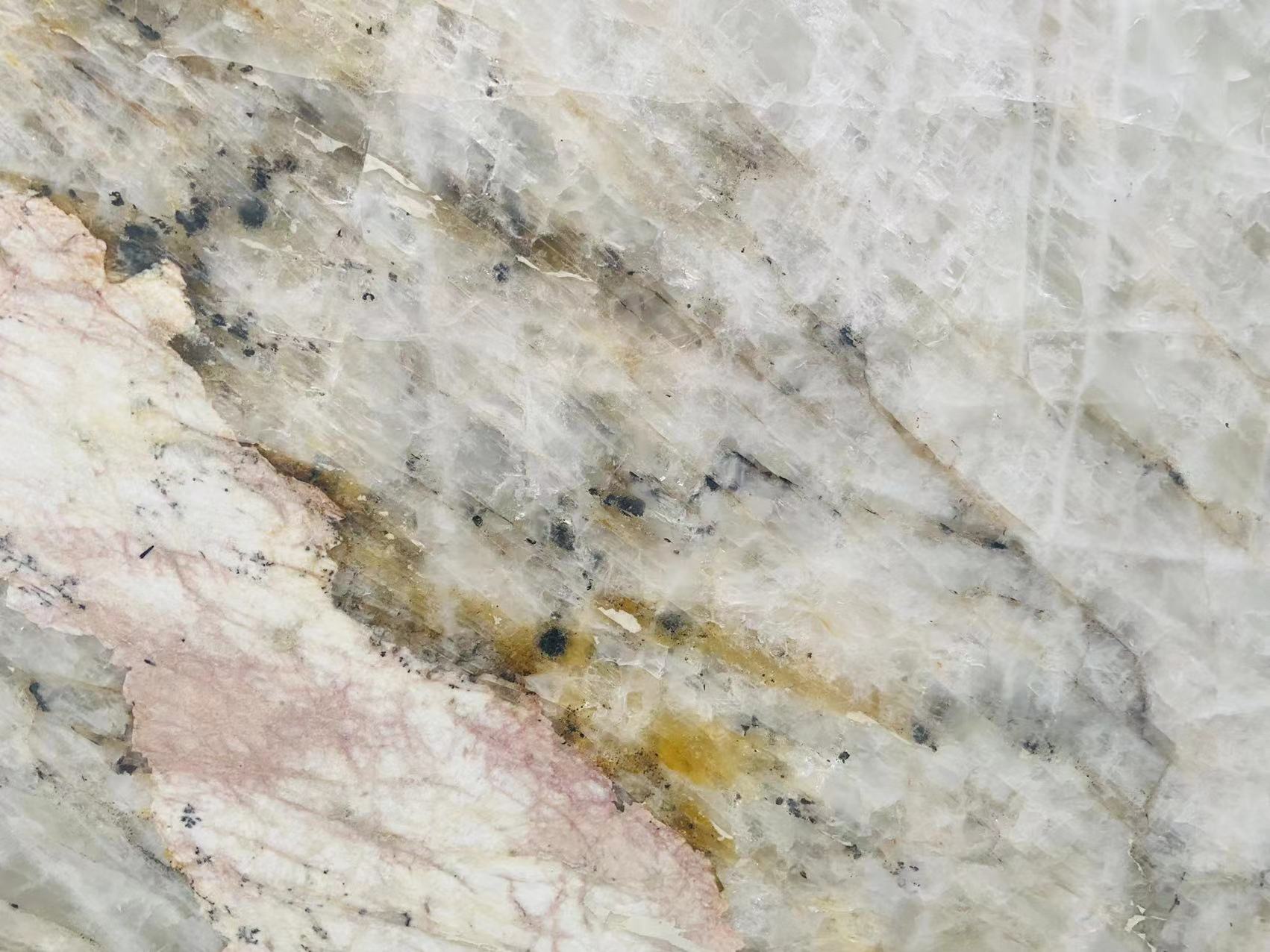
Geologically speaking, onyx is a type of layered quartz formed from chalcedony, a silicate material that includes morganite. Interestingly, onyx shares its mineral composition with marble, travertine, and limestone, though it forms under different environmental conditions. What sets onyx apart are its distinctive swirls, vibrant colors, and translucent qualities. While many associate onyx with a deep, pitch-black appearance, it actually occurs in a variety of hues, including white, brown, green, and purple.
For centuries, onyx has been prized for its beauty and versatility. It has been used extensively in jewelry, hardstone carvings, and sculptures. Some cultures even believed that onyx possessed mystical powers, adding to its allure. Today, onyx remains one of the most sought-after materials in the world, cherished for its elegance and timeless appeal.
How is Onyx Formed?
Unlike intrusive and metamorphic rocks such as granite and marble, which originate from the Earth’s crust, onyx forms through a unique process involving water and mineral deposits. Spring water and groundwater often contain high concentrations of calcite, a mineral that plays a key role in the formation of onyx. When water flows through a specific area repeatedly or evaporates, it leaves behind layers of calcite deposits. Over time, these layers build up and crystallize, eventually forming onyx.
This process results in the stone’s characteristic smooth, layered appearance. The intricate bands of color and translucency that define onyx are a direct result of the varying mineral compositions and conditions during its formation.
What Are the Colors of Onyx?
Onyx is known for its stunning array of colors, which range from soft whites and browns to vibrant greens and purples. The most common color is a warm, honey-tinted shade, which is caused by iron deposits in the stone. The classic black onyx, which is perhaps the most well-known variety, owes its deep color to an exceptionally high silica content.
The stone’s translucent nature allows light to pass through it, creating a mesmerizing effect that enhances its beauty. This property makes onyx particularly desirable for decorative and artistic applications.
Where Can Onyx Be Found?
Onyx is a relatively rare stone, found only in specific regions around the world. It is commonly discovered in caves, where the conditions for its formation are ideal. Some of the most notable sources of onyx include the Middle East, North Africa, and South America. Additionally, deposits have been found in Canada and certain parts of the United States.
The rarity of onyx adds to its value and appeal, making it a prized material for both decorative and functional purposes.
Properties and Uses of Onyx
Onyx has been used for thousands of years, with its applications evolving over time. As a semi-precious stone, it was traditionally used to create jewelry, stamps, seals, amulets, and statues of gods. Today, advances in technology have expanded its uses, allowing for innovative applications in architecture and interior design.
However, onyx is not the most durable of stones. On the Mohs Scale of hardness, it ranks around 7, compared to diamond, which ranks at 10. Its layered structure also makes it relatively brittle, limiting its suitability for high-traffic areas or heavy-use surfaces. As a result, onyx requires consistent maintenance, especially in spaces like kitchens or hallways where it may be exposed to wear and tear.
Despite these limitations, onyx’s striking beauty makes it a popular choice for more delicate applications. It is often used in fireplaces, backsplashes, bar tops, and wall cladding, where its elegance can be showcased without compromising its integrity. One particularly stunning application is backlit onyx, where the stone’s translucency is highlighted by lighting installed behind it, creating a dramatic and luxurious effect.
The Legend of Onyx
Onyx is steeped in myth and legend, adding to its mystique. In ancient Greek and Roman mythology, it was believed that onyx originated from a nail clipping of Aphrodite (or Venus, in Roman mythology) that fell into the Indus River. There, it transformed into the precious stone we know today. The word “onyx” itself comes from the Greek word for “fingernail” or “claw,” reflecting this mythological origin.
The Romans also held sardonyx, a close relative of onyx, in high regard. They believed it bestowed courage in battle and provided strength and protection to its wearer. During the Renaissance in Europe, onyx was thought to grant eloquence to its owner, making it a popular choice among orators and leaders.
These legends and beliefs have contributed to the enduring fascination with onyx, elevating it from a mere decorative stone to a symbol of power, protection, and beauty.
Modern Applications of Onyx
In contemporary design, onyx continues to be a highly sought-after material. Its unique properties make it ideal for a variety of applications, including:
- Backlit Features: Onyx’s translucency makes it perfect for backlit walls, countertops, and flooring, creating a stunning visual effect.
- Decorative Accents: Onyx is often used in fireplaces, bar tops, and wall cladding to add a touch of luxury to any space.
- Jewelry: Despite its relative softness, onyx remains a popular choice for jewelry, particularly in statement pieces.
- Art and Sculpture: The stone’s vibrant colors and smooth texture make it a favorite among artists and sculptors.
Caring for Onyx
While onyx is undeniably beautiful, it requires proper care to maintain its appearance and integrity. Here are some tips for caring for onyx:
- Regular Cleaning: Use a soft cloth and mild, pH-neutral cleaner to avoid damaging the stone’s surface.
- Avoid Harsh Chemicals: Acidic or abrasive cleaners can etch or scratch onyx, so it’s important to use gentle products.
- Sealing: Depending on the application, onyx may need to be sealed periodically to protect it from stains and moisture.
- Protect from Impact: Due to its brittleness, onyx should be protected from heavy impacts or pressure.
Conclusion
Onyx is a stone of unparalleled beauty and historical significance. From its geological formation to its vibrant colors and legendary tales, it has captivated humanity for centuries. While it may not be the most durable of stones, its elegance and versatility make it a timeless choice for jewelry, art, and design. Whether used in a backlit feature, a decorative accent, or a piece of jewelry, onyx continues to enchant and inspire, proving that its allure is as enduring as the legends that surround it.
Latest News
-
 Vanity Tops are Bathroom Worktops (WC’s, Toilets, Bathrooms, Ensuites)
Vanity Tops: The Perfect Bathroom Worktops for WC’s, Toilets, and Ensui...
-
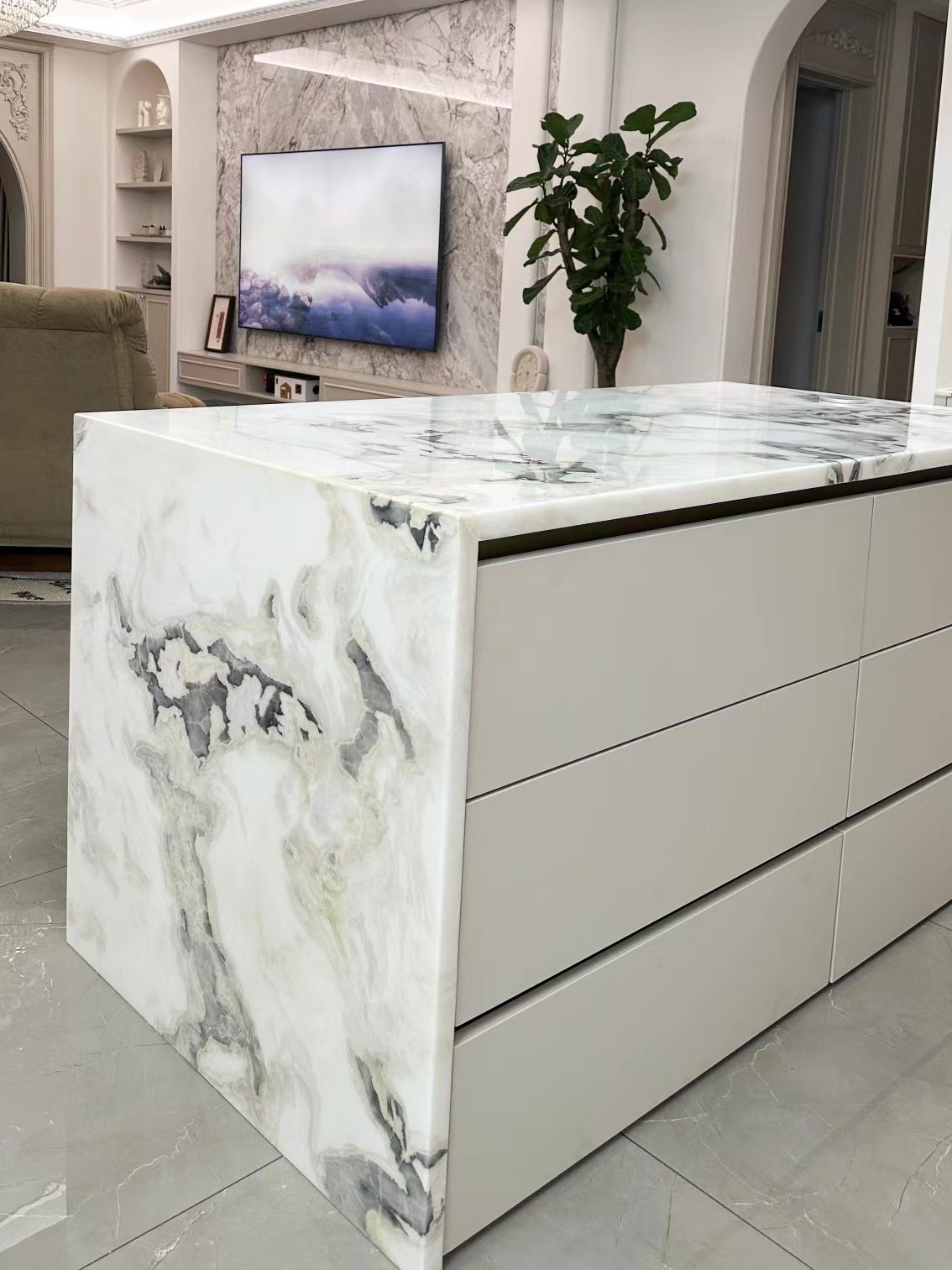 Kitchen Splashbacks and Upstands For Wall Protection
Kitchen Splashbacks and Upstands: Wall Protection Kitchen splashbacks and ups...
-
 The Five Quartzite Designs
The Five Quartzite Designs Quartzite is a stunning natural stone that combine...
-
 Stunning Works: Marble Slab Wall
Stunning Works: Marble Slab Walls Marble slab walls are the epitome of luxury...
-
 Red Marble: Color And Design Combined
Red Marble: Color And Design Combined Red marble is more than just a materia...
-
 Travertine Countertops
Travertine Countertops Travertine is a natural stone known for its earthy ton...
-
 Marble Kitchen Island: Best Ideas & Inspirations
Marble Kitchen Island: Best Ideas & Inspirations A marble kitchen island ...
-
 The Pros and Cons of Natural Stone Floor Tiles
The Pros and Cons of Natural Stone Floor Tiles Natural stone floor tiles have...
-
 5 Key Factors How to Tell If Good Quality Marble
5 Key Factors How to Tell If Good Quality Marble Marble has long been a sym...
-
 5 Most Beautiful Green Stone Countertops For 2025
Introduction: Why You Should Go Green Stone with Countertops? In 2025, green ...