
- Natural Stone
- Artificial Stone


Why Are Marble Tables So Expensive?
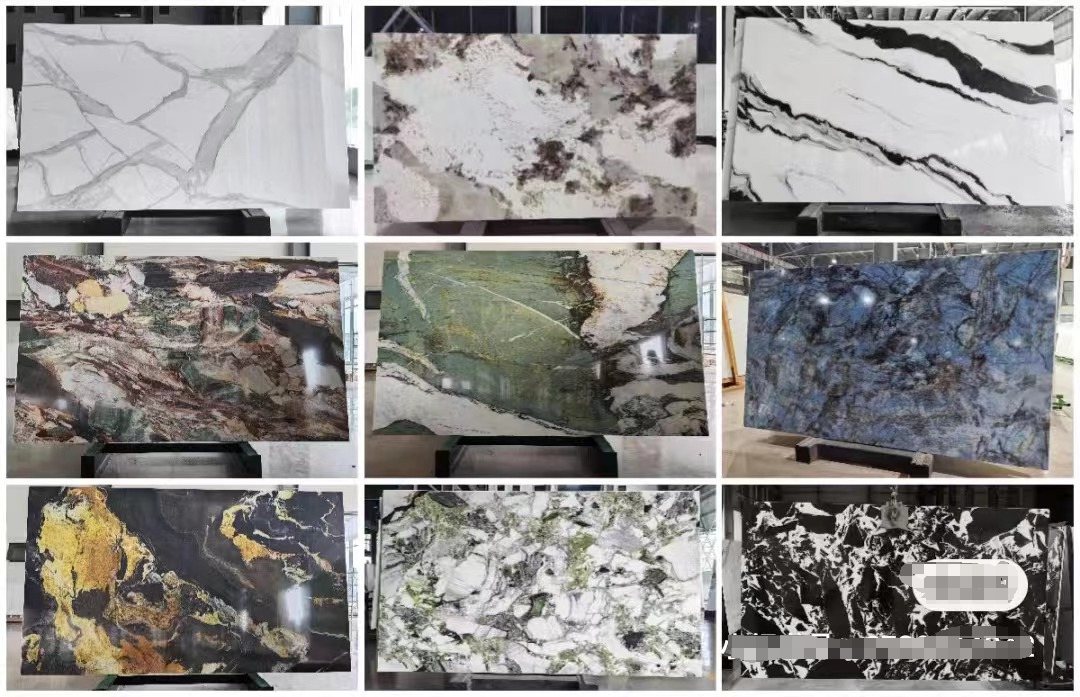
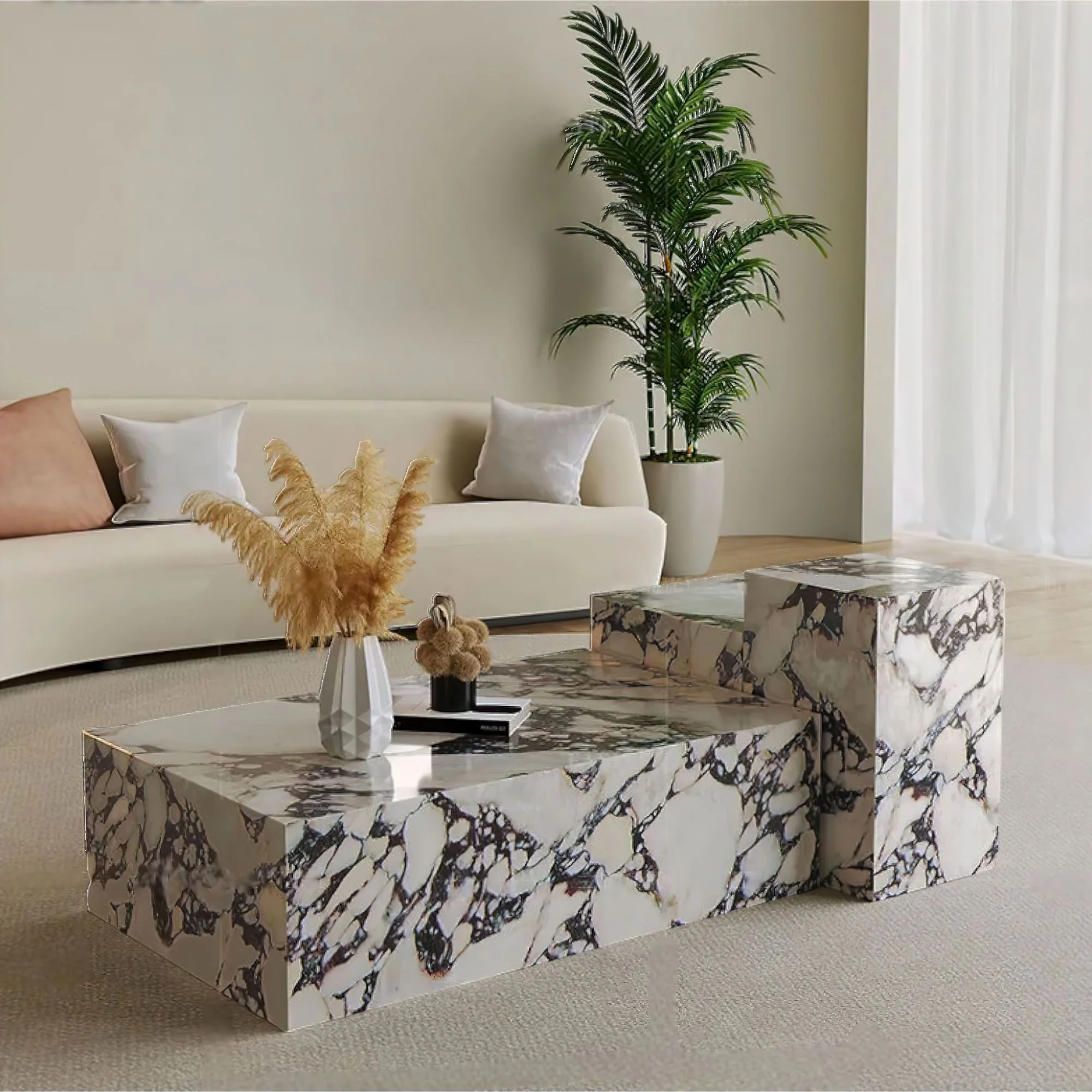
Marble tables are often considered a symbol of luxury and sophistication, but their high price tag can be surprising to many. The cost of marble tables is influenced by a combination of factors, including the material’s inherent qualities, the complexity of the production process, and the unique characteristics of each slab. Below, we delve into the reasons behind the high cost of marble tables, breaking down each contributing factor in detail.
1. The Rarity and Quality of Marble as a Material
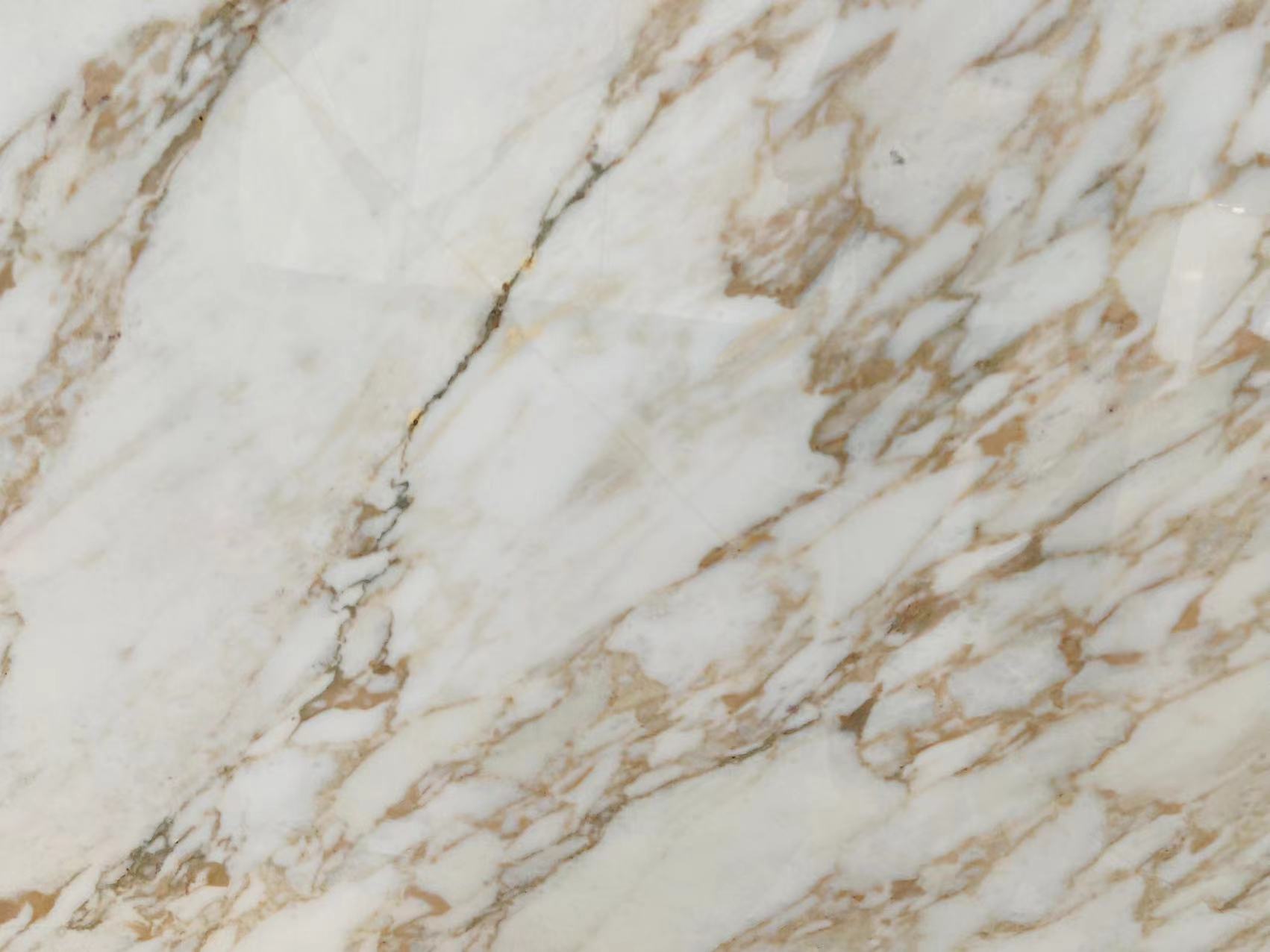
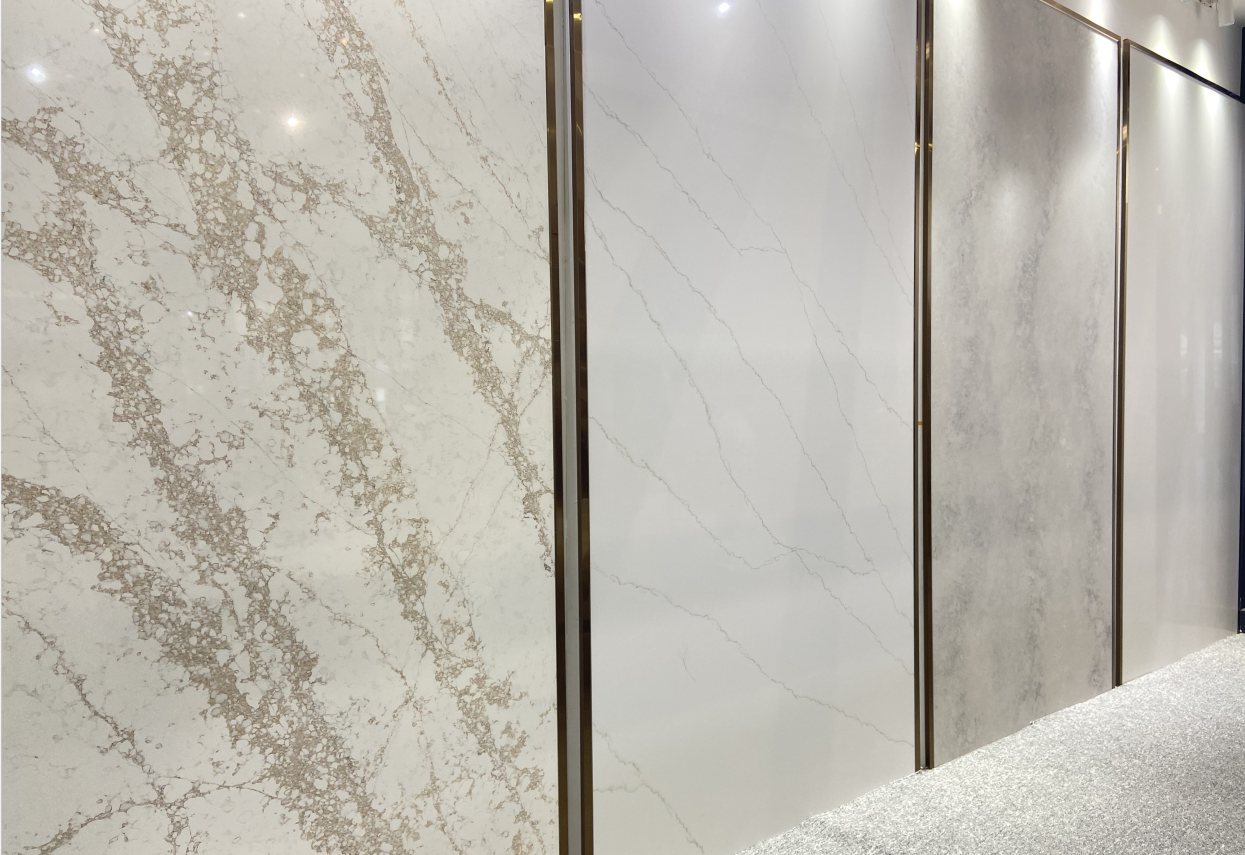
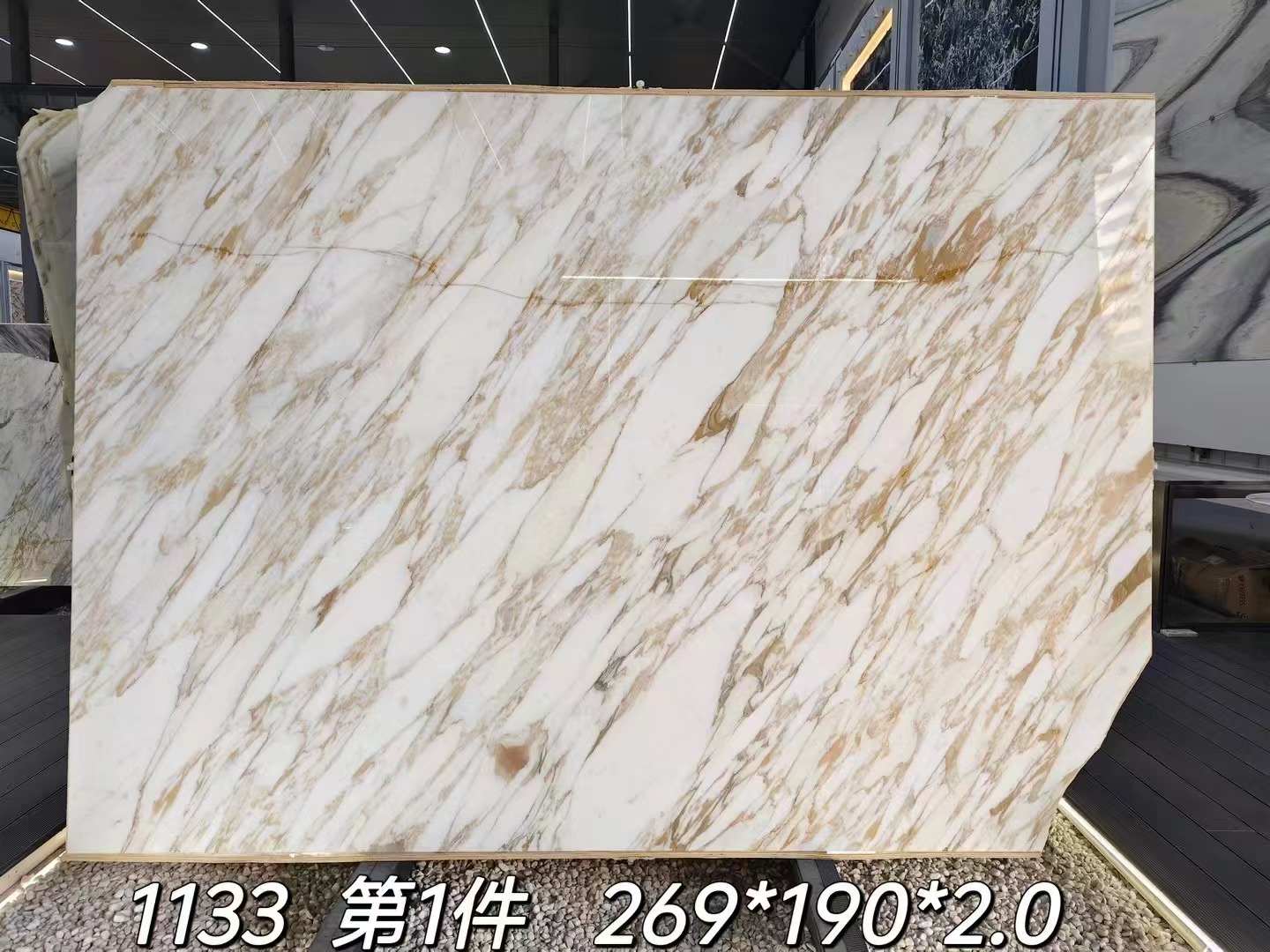
Marble is a natural stone formed over millions of years through the metamorphism of limestone. This geological process results in a material that is not only durable but also visually stunning, with intricate veining and a polished finish that exudes elegance. However, the rarity of high-quality marble contributes significantly to its cost. Not all marble is created equal; the finest grades, such as Calacatta or Carrara marble, are highly sought after and command premium prices.
The extraction of marble is a complex and resource-intensive process. Quarrying marble requires specialized equipment and skilled labor to carefully remove large blocks of stone from the earth without damaging them. These blocks are then transported to facilities where they are cut into slabs. The entire process is time-consuming and costly, which is reflected in the final price of marble tables.
2. The Uniqueness of Each Marble Slab
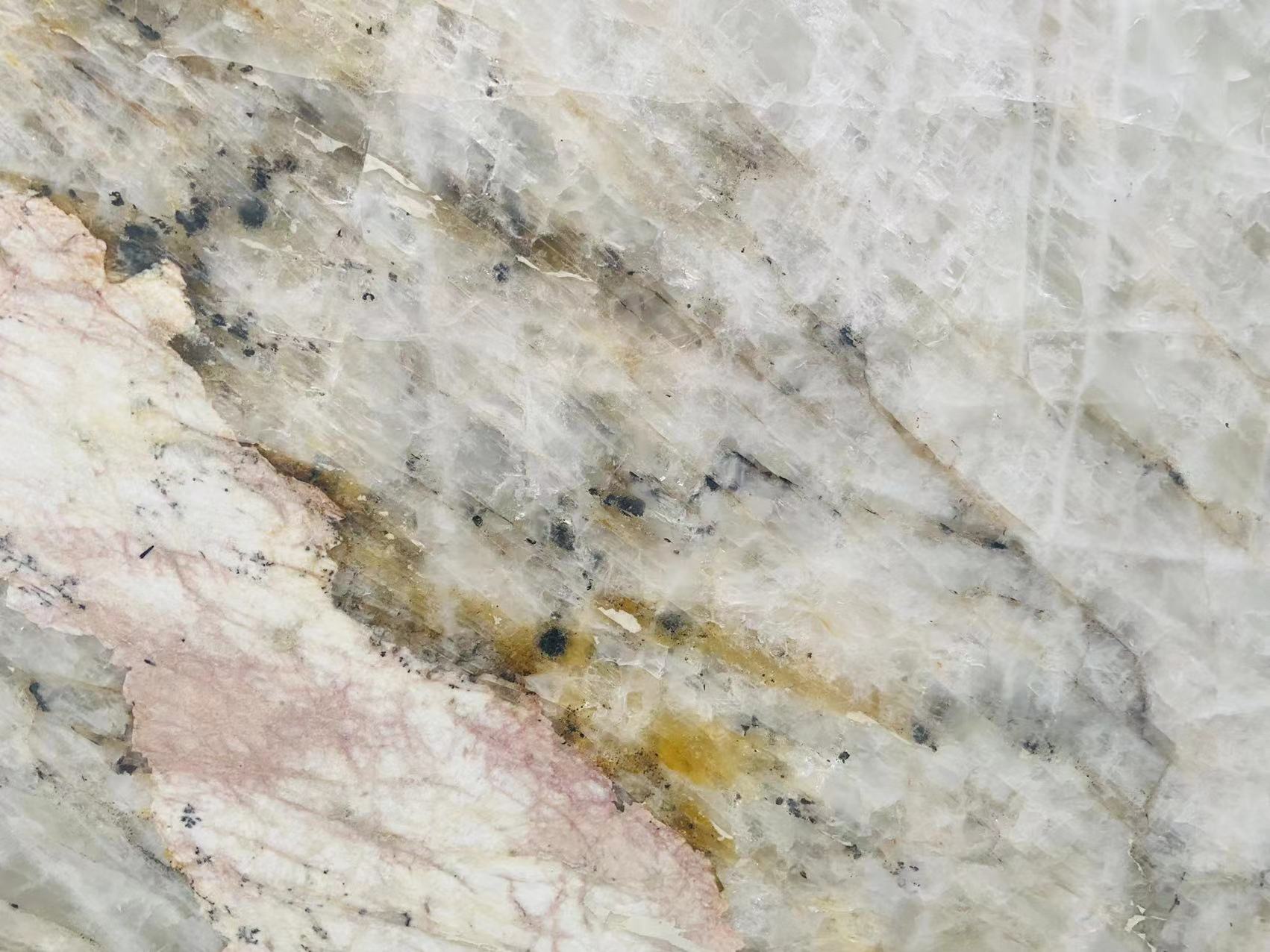
One of the most distinctive features of marble is its uniqueness. No two slabs of marble are exactly alike, as each piece has its own patterns, colors, and veining. This natural variation makes every marble table one-of-a-kind, adding to its value and appeal. For consumers seeking a truly unique piece of furniture, this exclusivity justifies the higher cost.
However, the uniqueness of marble also presents challenges during production. Designers and manufacturers must carefully select slabs that match the desired aesthetic, which can be a time-consuming process. Additionally, the natural imperfections in marble, such as fissures or color variations, require skilled craftsmanship to work around, further increasing labor costs.
3. The Complicated Production Process
Creating a marble table is far from a simple task. The process involves several intricate steps, each requiring precision and expertise. After the marble slabs are cut, they must be polished to achieve the smooth, glossy finish that is characteristic of high-end marble tables. This polishing process is labor-intensive and requires specialized tools and techniques.
In addition to polishing, the edges of the marble slab often need to be shaped and finished. Some designs may require the edges to be glued or reinforced to ensure durability. The table’s base or legs, which are typically made from materials like wood or metal, must also be crafted and attached securely to support the weight of the marble. Each of these steps adds to the overall cost of production.
4. The Weight and Fragility of Marble
Marble is an extremely heavy material, which poses logistical challenges during both production and transportation. Moving large marble slabs requires specialized equipment and careful handling to prevent damage. The weight of the finished table also makes shipping more expensive, as it often requires reinforced packaging and additional manpower.
Despite its durability, marble is also a relatively fragile material. It is prone to cracking, chipping, and staining if not handled properly. This fragility necessitates extra care during manufacturing and installation, which can drive up costs. Additionally, marble tables require regular maintenance, such as sealing and polishing, to preserve their appearance over time.
5. The Aesthetic Appeal and Prestige of Marble
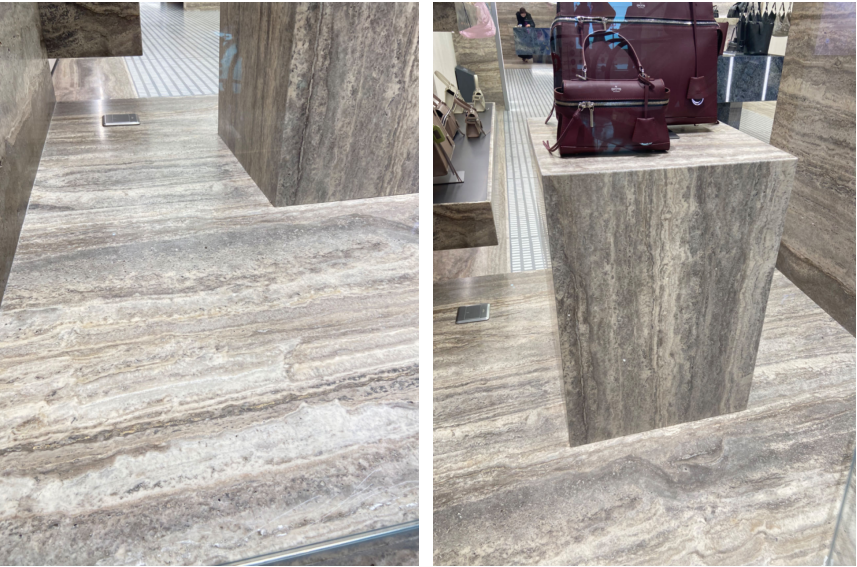
Marble has long been associated with luxury and prestige, dating back to ancient civilizations where it was used in sculptures, temples, and palaces. This historical significance adds to its allure and perceived value. In modern interior design, marble tables are often seen as statement pieces that elevate the overall aesthetic of a space.
The natural beauty of marble, with its elegant veining and timeless appeal, makes it a popular choice for high-end furniture. Consumers are willing to pay a premium for the sophistication and status that marble tables convey. This demand, coupled with the material’s inherent qualities, contributes to the high cost.
6. Customization and Design Complexity Marble Tables
Many marble tables are custom-made to meet the specific preferences of buyers. Customization options, such as the choice of marble type, slab size, edge finish, and base design, add to the complexity of the production process. Custom pieces often require more time and labor, which increases the overall cost.
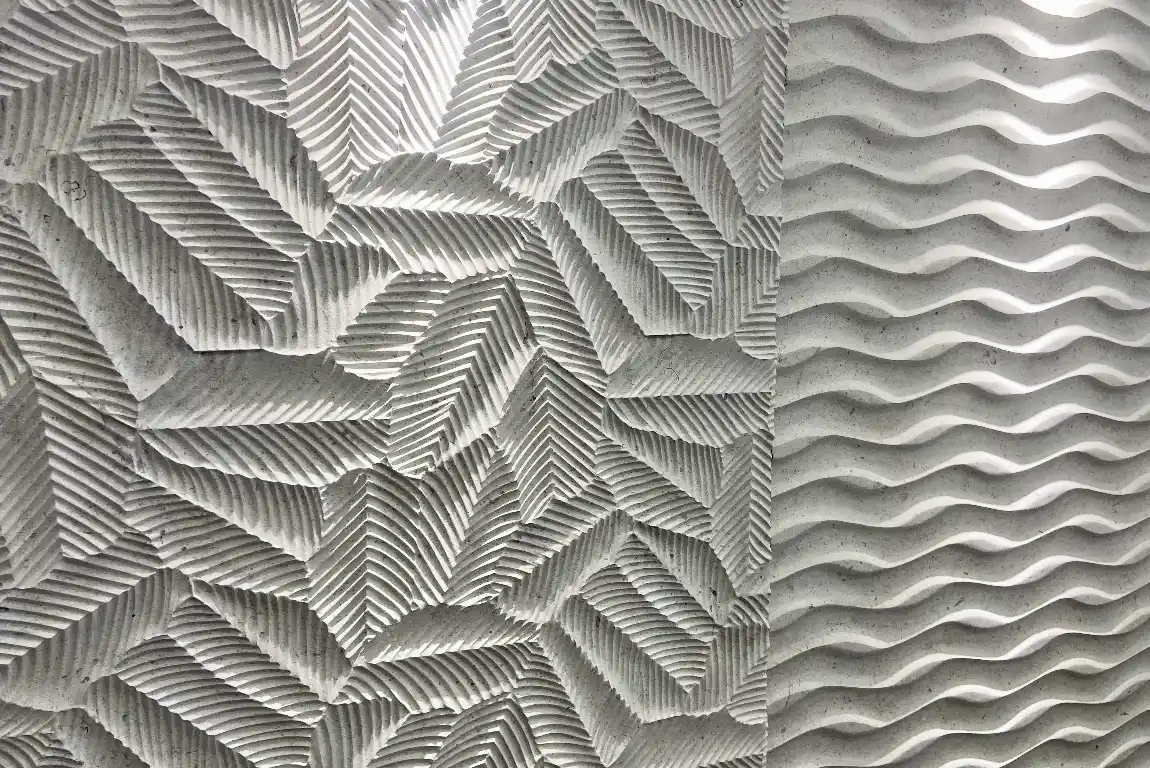
Moreover, intricate designs or unique shapes can further complicate the manufacturing process. For example, a table with a curved edge or an irregular shape requires more precise cutting and finishing, which demands a higher level of skill and expertise.
8. Longevity and Investment Value
While marble tables are expensive, they are also an investment in quality and longevity. A well-maintained marble table can last for decades, making it a worthwhile purchase for those who value durability and timeless design. The enduring appeal of marble ensures that it remains a desirable material, potentially increasing the resale value of the table over time.
Contact us Goldwin Stone For More Details, Free Design Marble Tables With Various Marble Stone
In summary, the high cost of marble tables can be attributed to a combination of factors, including the rarity and quality of the material, the uniqueness of each slab, the complexity of the production process, and the prestige associated with marble. While the price may be steep, many consumers view marble tables as a worthwhile investment due to their beauty, durability, and timeless appeal. Whether used as a centerpiece in a dining room or a statement piece in a living area, a marble table is more than just furniture—it is a work of art that reflects the natural beauty and craftsmanship of its creation.
Latest News
-
 Vanity Tops are Bathroom Worktops (WC’s, Toilets, Bathrooms, Ensuites)
Vanity Tops: The Perfect Bathroom Worktops for WC’s, Toilets, and Ensui...
-
 Kitchen Splashbacks and Upstands For Wall Protection
Kitchen Splashbacks and Upstands: Wall Protection Kitchen splashbacks and ups...
-
 The Five Quartzite Designs
The Five Quartzite Designs Quartzite is a stunning natural stone that combine...
-
 Stunning Works: Marble Slab Wall
Stunning Works: Marble Slab Walls Marble slab walls are the epitome of luxury...
-
 Red Marble: Color And Design Combined
Red Marble: Color And Design Combined Red marble is more than just a materia...
-
 Travertine Countertops
Travertine Countertops Travertine is a natural stone known for its earthy ton...
-
 Marble Kitchen Island: Best Ideas & Inspirations
Marble Kitchen Island: Best Ideas & Inspirations A marble kitchen island ...
-
 The Pros and Cons of Natural Stone Floor Tiles
The Pros and Cons of Natural Stone Floor Tiles Natural stone floor tiles have...
-
 5 Key Factors How to Tell If Good Quality Marble
5 Key Factors How to Tell If Good Quality Marble Marble has long been a sym...
-
 5 Most Beautiful Green Stone Countertops For 2025
Introduction: Why You Should Go Green Stone with Countertops? In 2025, green ...