
- Natural Stone
- Artificial Stone



What Does Bookmatch and Quadmatch (Diamond Match) Stone Mean? A Comprehensive Guide
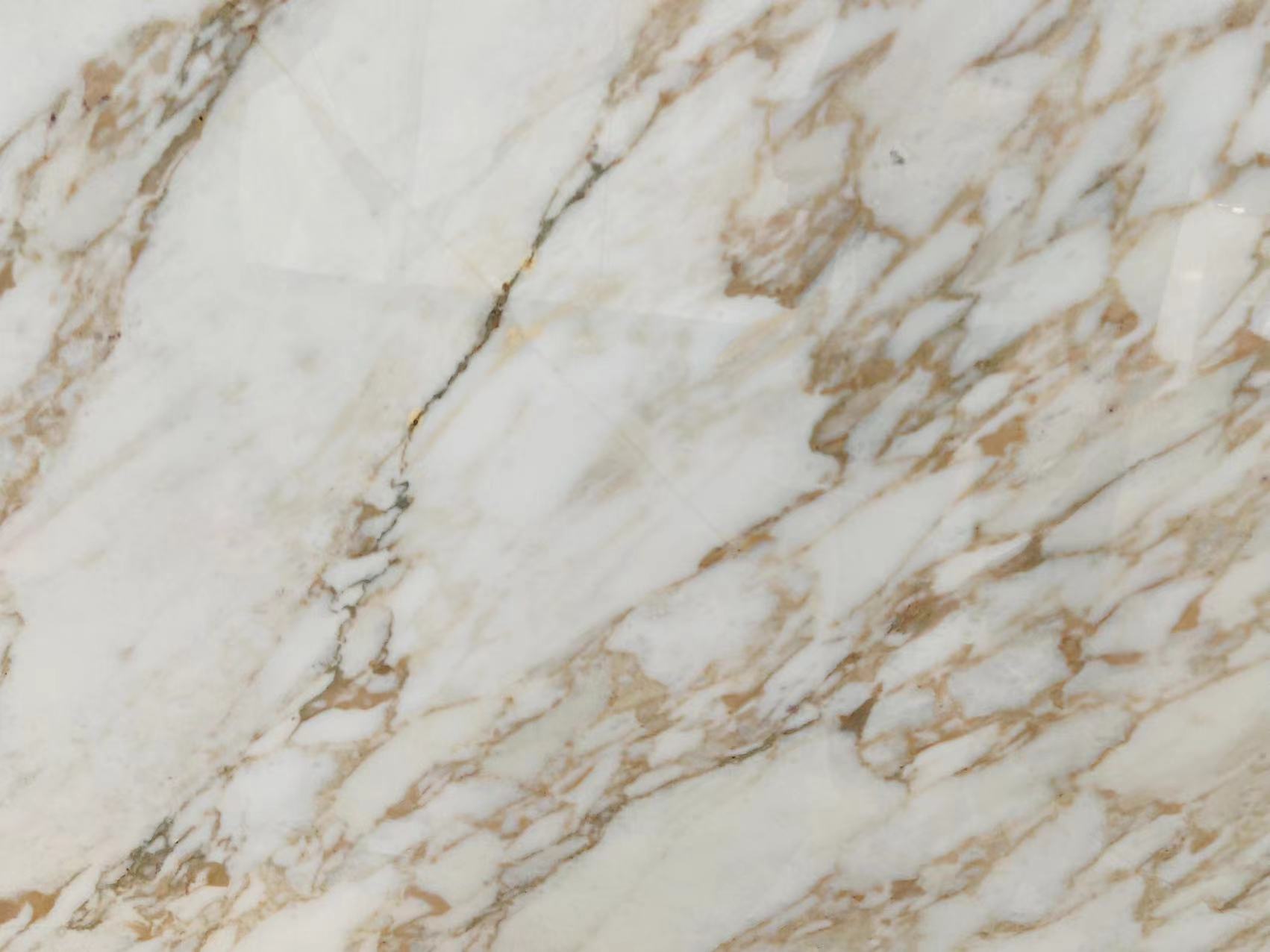
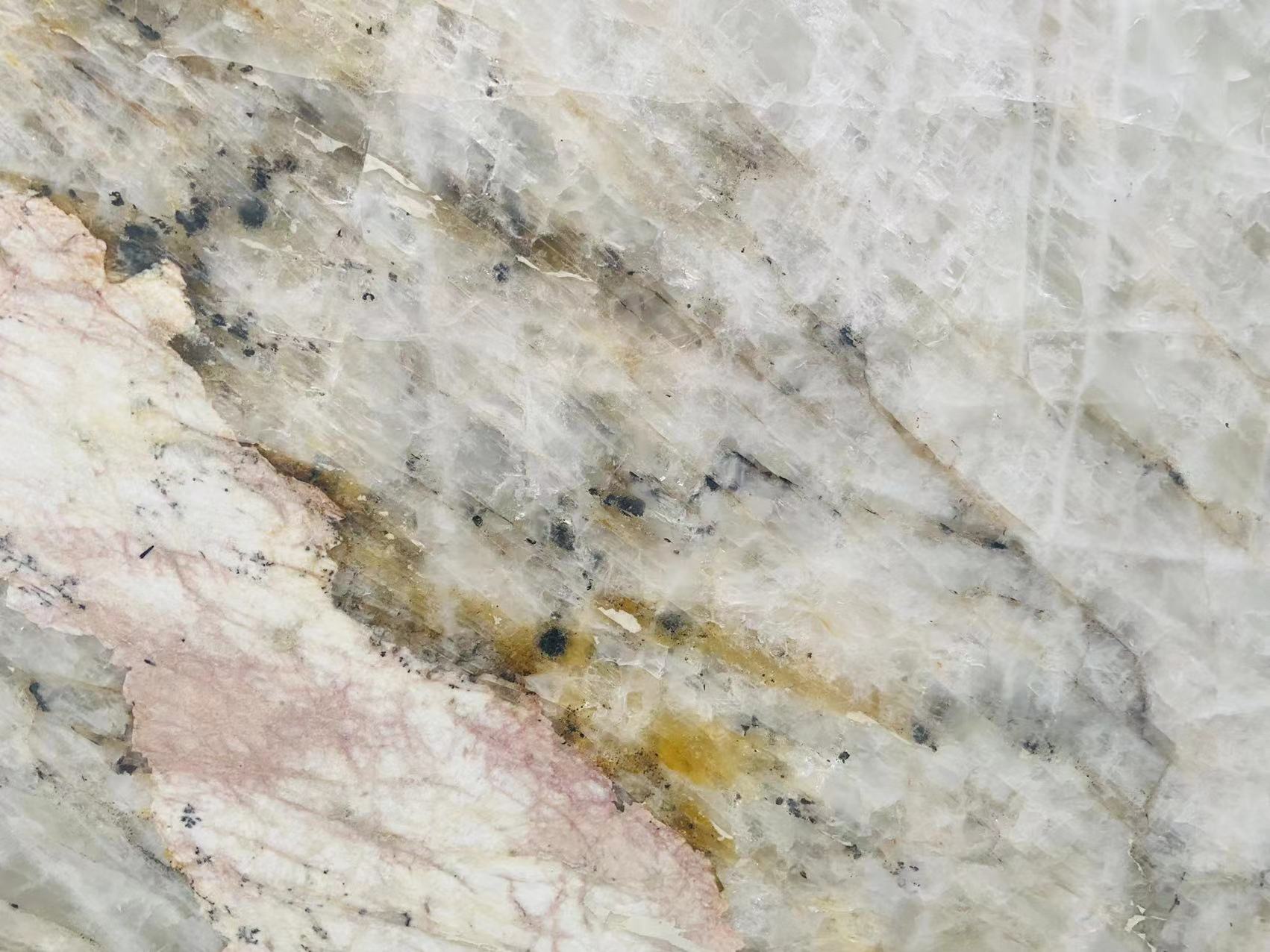
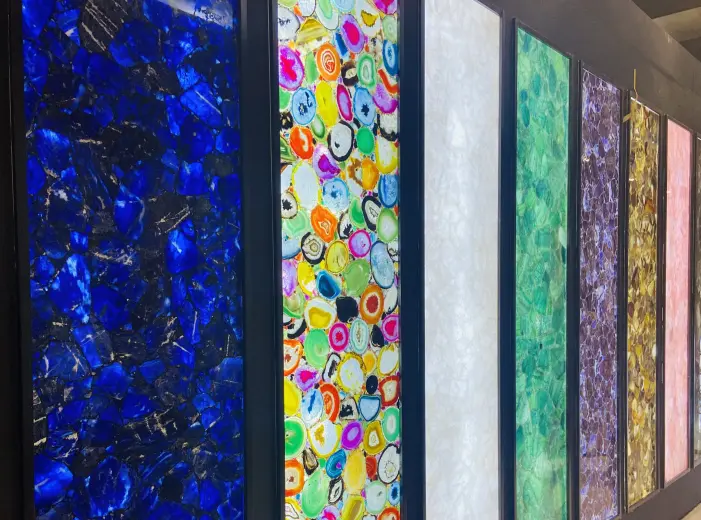
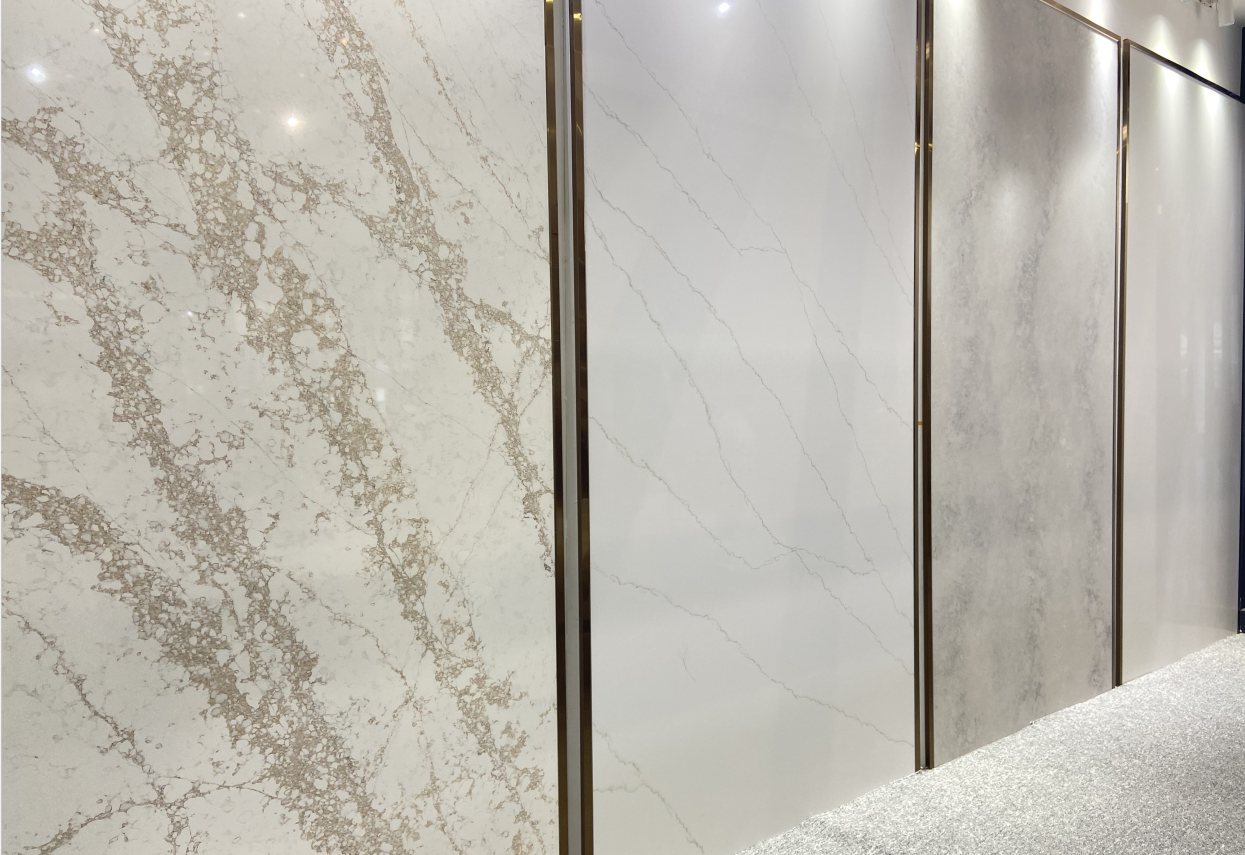
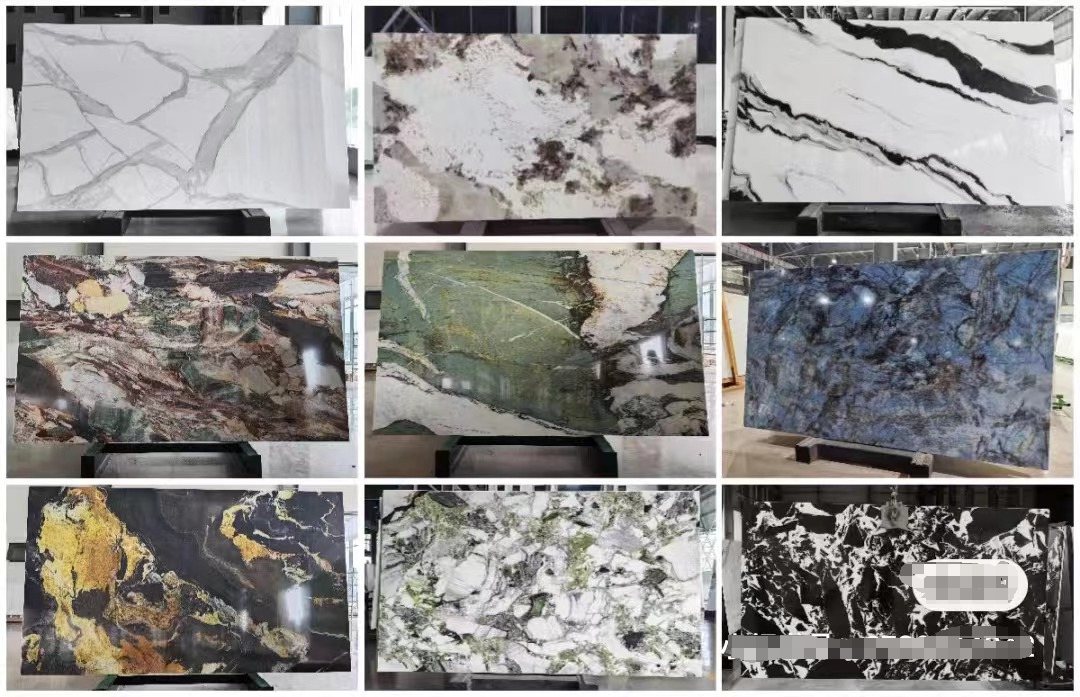
Natural stone slabs, such as marble, granite, quartzite, and onyx, are celebrated for their unique veining and patterns. Among the most striking ways to showcase these natural characteristics is through bookmatching and quadmatching (also known as diamond matching). These techniques create symmetrical designs that highlight the stone’s beauty, making them ideal for feature walls, kitchen islands, and other statement pieces. This guide explores what bookmatching and quadmatching mean, how they are created, and how to use them effectively in your design projects.
What Is Bookmatching?
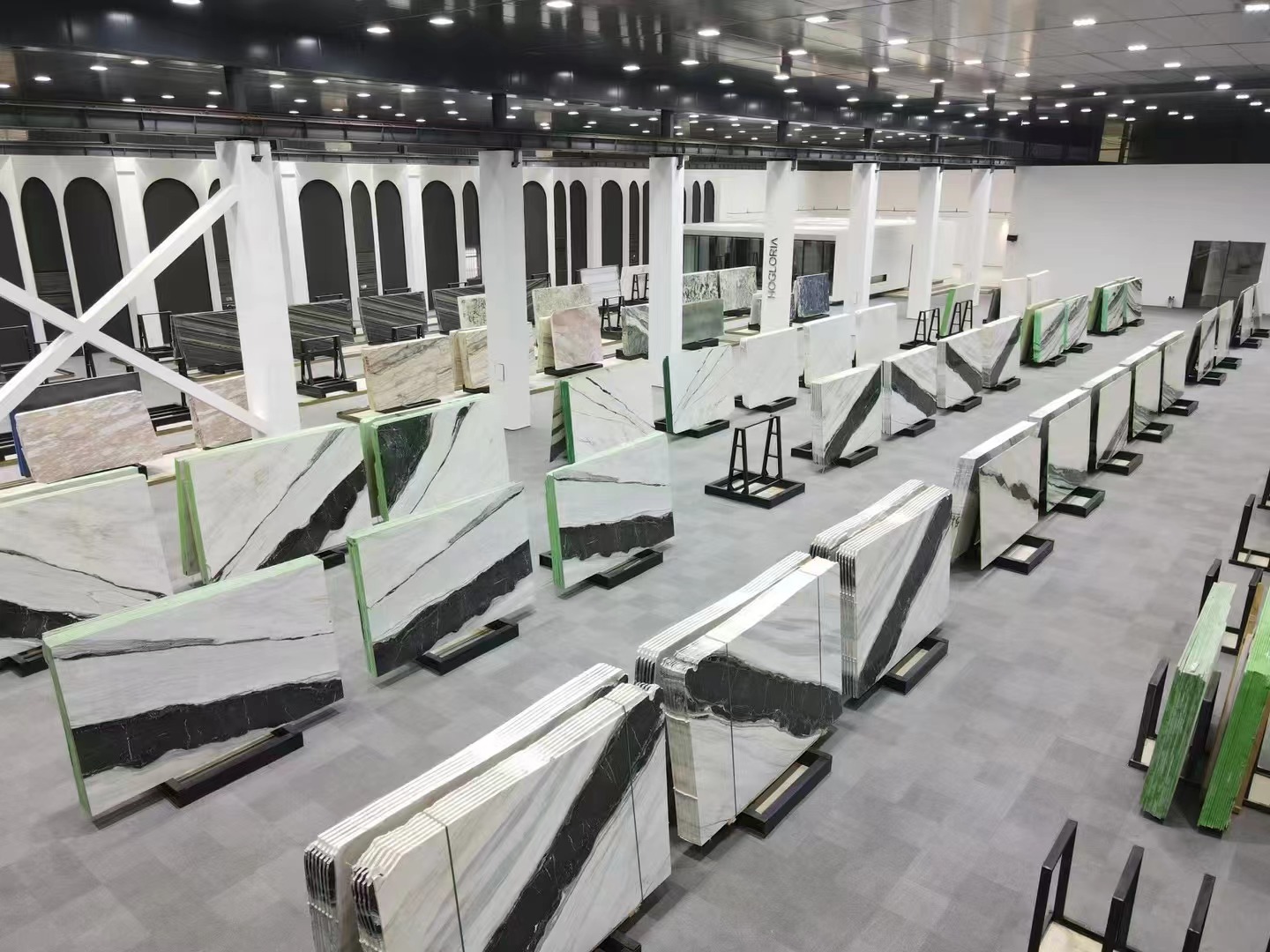
Bookmatching is a technique where two slabs of stone are cut and arranged so that their veining aligns symmetrically, creating a mirror image. When the slabs are placed side by side, they resemble an opened book, hence the term “bookmatching.” This method emphasizes the natural patterns of the stone, transforming it into a stunning visual focal point.
What Is Quadmatching (Diamond Matching)?
Quadmatching, also referred to as diamond matching, takes the concept of bookmatching a step further by using four slabs of stone. The veining of the four adjoining slabs is aligned to create either an X pattern or a diamond shape. This technique produces a more intricate and dramatic design, making it perfect for high-impact applications like feature walls or large kitchen islands.
How Are Bookmatched and Quadmatched Stone Slabs Created?
The process of creating bookmatched or quadmatched stone slabs begins at the quarry. Here’s how it works:
- Cutting the Stone Block:
- Large blocks of stone are extracted from the mountain and cut into slabs using a giant saw, similar to slicing bread. These slabs are cut in sequential order, ensuring that the veining and patterns remain consistent across multiple pieces.
- Polishing the Slabs:
- After cutting, the quarry can choose to polish the same side of every slab or alternate the polishing side. Polishing opposite sides of sequential slabs allows the veining to mirror each other when the slabs are placed side by side, creating the bookmatched or quadmatched effect.
- Sequential Order:
- To achieve the best results, it’s essential to purchase slabs in sequential order. This ensures that the veining aligns perfectly, creating a seamless and symmetrical design.
Which Types of Stone Can Be Bookmatched or Quadmatched?
Most natural stone slabs can be bookmatched or quadmatched, but some stones are better suited for these techniques than others. Vein-cut stones, such as marble and onyx, are particularly ideal for bookmatching because their veining is more pronounced and linear. However, even stones with more random patterns, like granite, can be bookmatched or quadmatched with careful selection and alignment.
If you’re unsure whether your chosen stone is suitable for bookmatching or quadmatching, consult your stone supplier. They can provide guidance and help you select slabs that will achieve the desired effect.
What Type of Finish Should I Use?
The finish of your bookmatched or quadmatched stone can significantly impact its appearance. According to the Natural Stone Institute, a polished finish is the most common choice for bookmatched or quadmatched stone because it enhances the visibility of the stone’s veining and patterns. The glossy surface reflects light, making the veining appear more vibrant and dynamic.
However, the choice of finish ultimately comes down to personal preference and the overall design aesthetic. Other finishes, such as honed or leathered, can also be used, but they may result in a softer, more understated look.
Applications for Bookmatched and Quadmatched Stone
Bookmatching and quadmatching can be used in a variety of applications to create stunning visual effects. Here are some popular uses:
1. Feature Walls
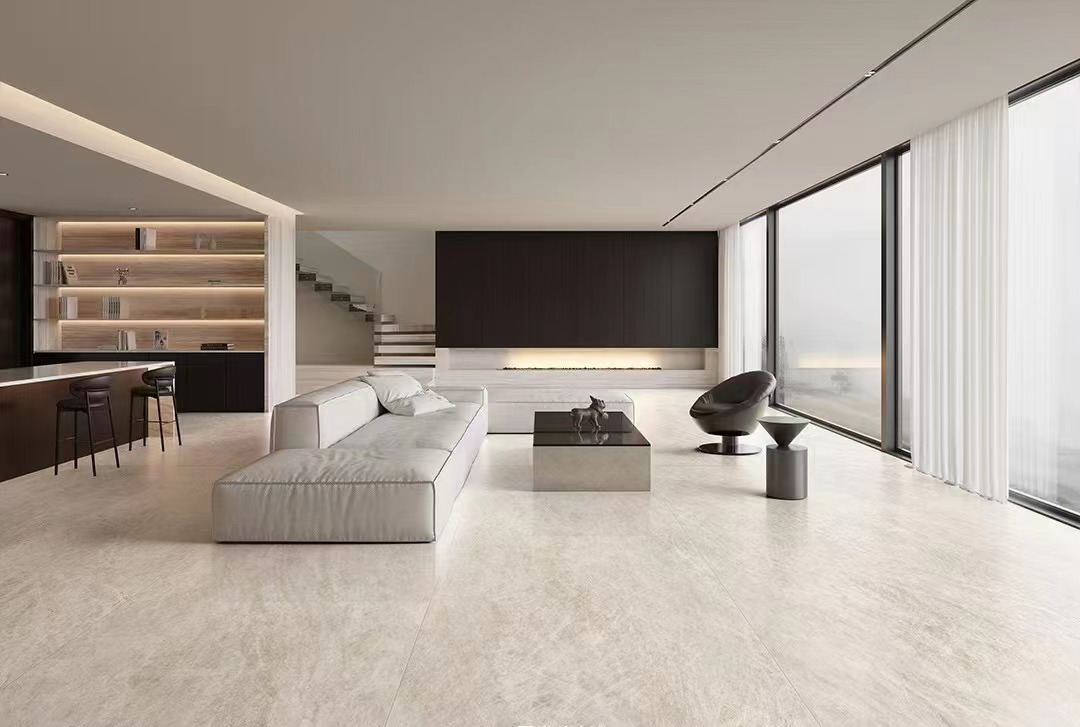
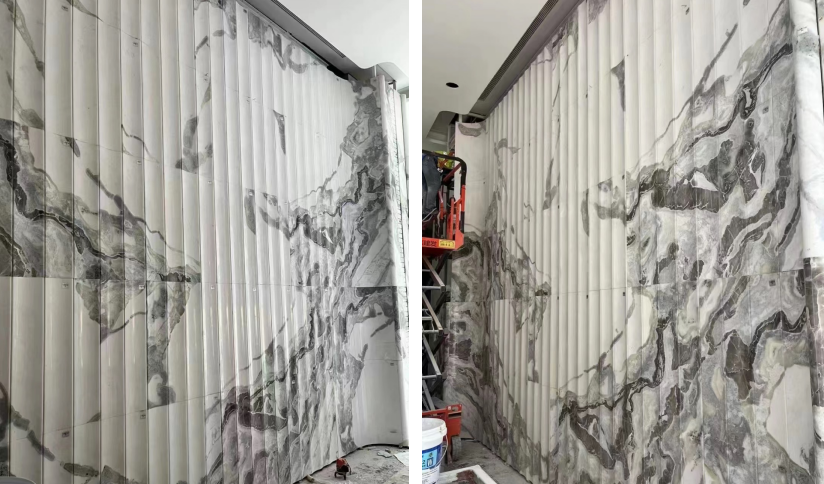
- A bookmatched or quadmatched feature wall serves as a dramatic focal point in living rooms, dining areas, or entryways. The symmetrical veining creates a sense of movement and depth, adding visual interest to the space.
2. Kitchen Islands
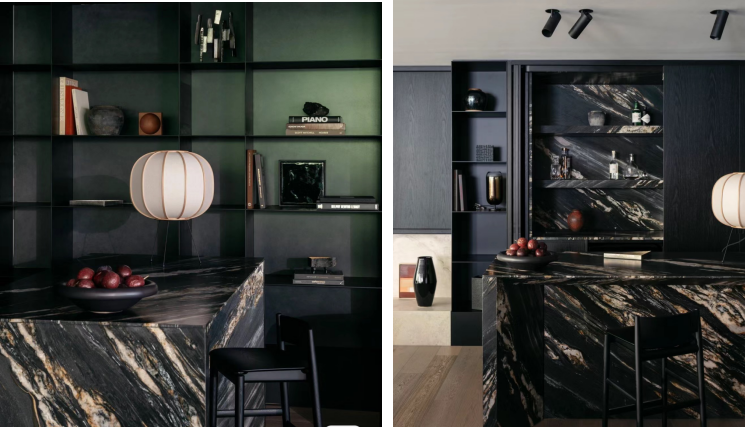
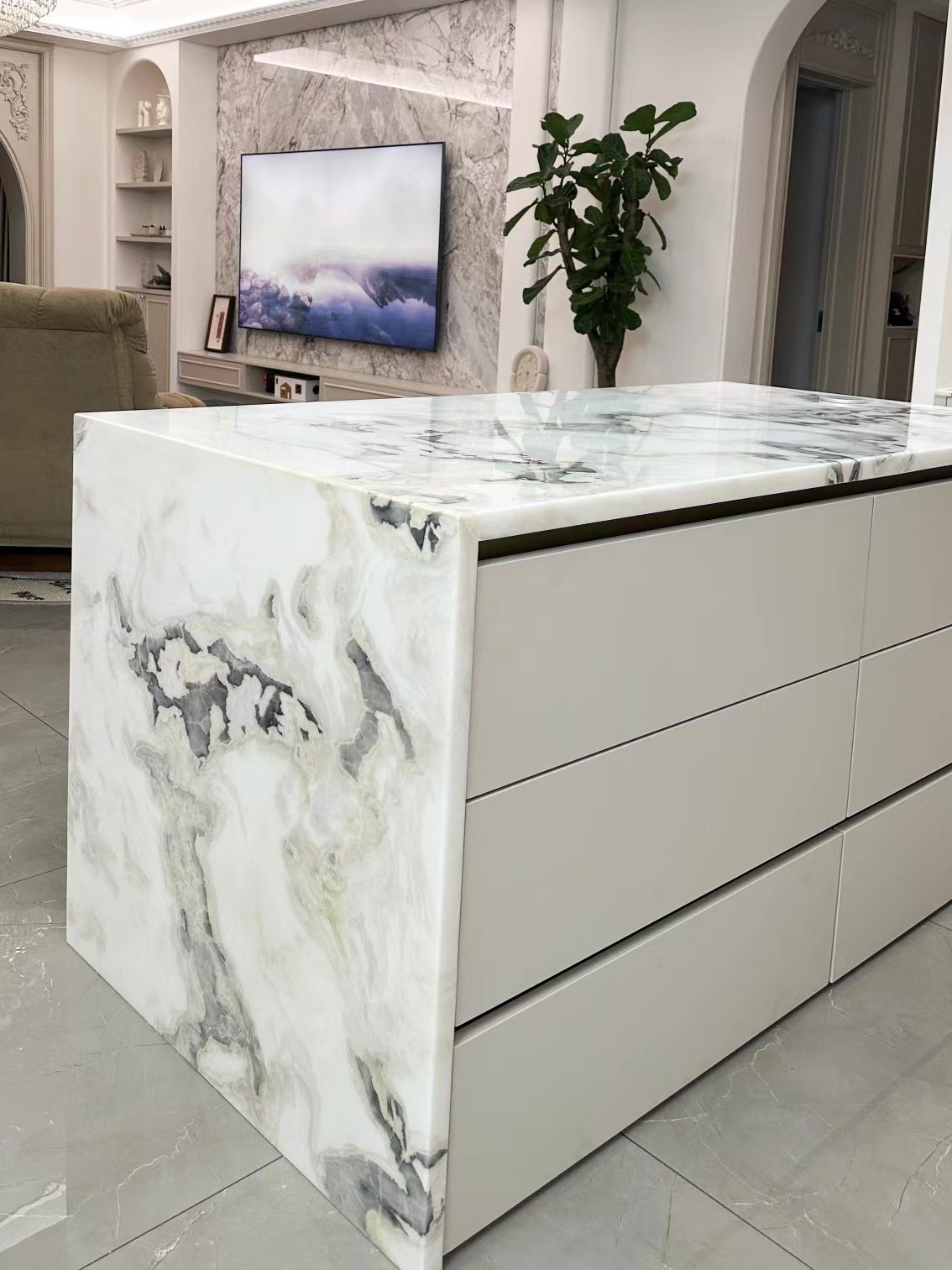
- A bookmatched or quadmatched kitchen island is a showstopper in any kitchen. The symmetrical patterns draw the eye and elevate the design, making the island a centerpiece of the room.
3. Backsplashes
- A bookmatched backsplash adds a touch of luxury to your kitchen or bathroom. The mirrored veining creates a cohesive and elegant look that complements other design elements.
4. Open-Plan Showers
- Bookmatched or quadmatched stone can be used in open-plan showers to create a spa-like atmosphere. The symmetrical patterns enhance the sense of tranquility and sophistication.
5. Statement Fireplaces
- A bookmatched or quadmatched fireplace surround adds warmth and elegance to any living space. The intricate veining creates a striking visual effect that enhances the fireplace’s appeal.
Tips for Using Bookmatched and Quadmatched Stone
To ensure the best results when using bookmatched or quadmatched stone, keep the following tips in mind:
- Work with a Skilled Fabricator:
- Achieving a seamless bookmatched or quadmatched design requires precision and expertise. Choose a fabricator with experience in handling these techniques.
- Select Sequential Slabs:
- Purchase slabs in sequential order to ensure the closest veining alignment. This is crucial for creating a symmetrical and cohesive design.
- Consider the Stone’s Veining:
- Choose a stone with pronounced and linear veining for the best bookmatching or quadmatching results. Vein-cut stones like marble and onyx are ideal.
- Opt for a Polished Finish:
- A polished finish enhances the visibility of the stone’s veining and patterns, making it the most common choice for bookmatched or quadmatched applications.
- Plan the Layout:
- Work with your designer or fabricator to plan the layout of the slabs. This ensures that the veining aligns perfectly and creates the desired visual effect.
Advantages of Bookmatching and Quadmatching
- Enhanced Aesthetics: Bookmatching and quadmatching highlight the natural beauty of the stone, creating a stunning visual impact.
- Customization: These techniques allow you to create unique and personalized designs that reflect your style.
- Versatility: Bookmatched and quadmatched stone can be used in a variety of applications, from feature walls to kitchen islands.
Conclusion
Bookmatching and quadmatching are powerful techniques that transform natural stone slabs into works of art. By aligning the veining of two or four slabs, these methods create symmetrical designs that enhance the stone’s natural beauty and make it a focal point in any space. Whether used for feature walls, kitchen islands, or statement fireplaces, bookmatched and quadmatched stone adds a touch of luxury and sophistication to your design. With careful planning and the expertise of a skilled fabricator, you can achieve a seamless and stunning result that elevates your space to new heights.
Latest News
-
 Vanity Tops are Bathroom Worktops (WC’s, Toilets, Bathrooms, Ensuites)
Vanity Tops: The Perfect Bathroom Worktops for WC’s, Toilets, and Ensui...
-
 Kitchen Splashbacks and Upstands For Wall Protection
Kitchen Splashbacks and Upstands: Wall Protection Kitchen splashbacks and ups...
-
 The Five Quartzite Designs
The Five Quartzite Designs Quartzite is a stunning natural stone that combine...
-
 Stunning Works: Marble Slab Wall
Stunning Works: Marble Slab Walls Marble slab walls are the epitome of luxury...
-
 Red Marble: Color And Design Combined
Red Marble: Color And Design Combined Red marble is more than just a materia...
-
 Travertine Countertops
Travertine Countertops Travertine is a natural stone known for its earthy ton...
-
 Marble Kitchen Island: Best Ideas & Inspirations
Marble Kitchen Island: Best Ideas & Inspirations A marble kitchen island ...
-
 The Pros and Cons of Natural Stone Floor Tiles
The Pros and Cons of Natural Stone Floor Tiles Natural stone floor tiles have...
-
 5 Key Factors How to Tell If Good Quality Marble
5 Key Factors How to Tell If Good Quality Marble Marble has long been a sym...
-
 5 Most Beautiful Green Stone Countertops For 2025
Introduction: Why You Should Go Green Stone with Countertops? In 2025, green ...