
- Natural Stone
- Artificial Stone
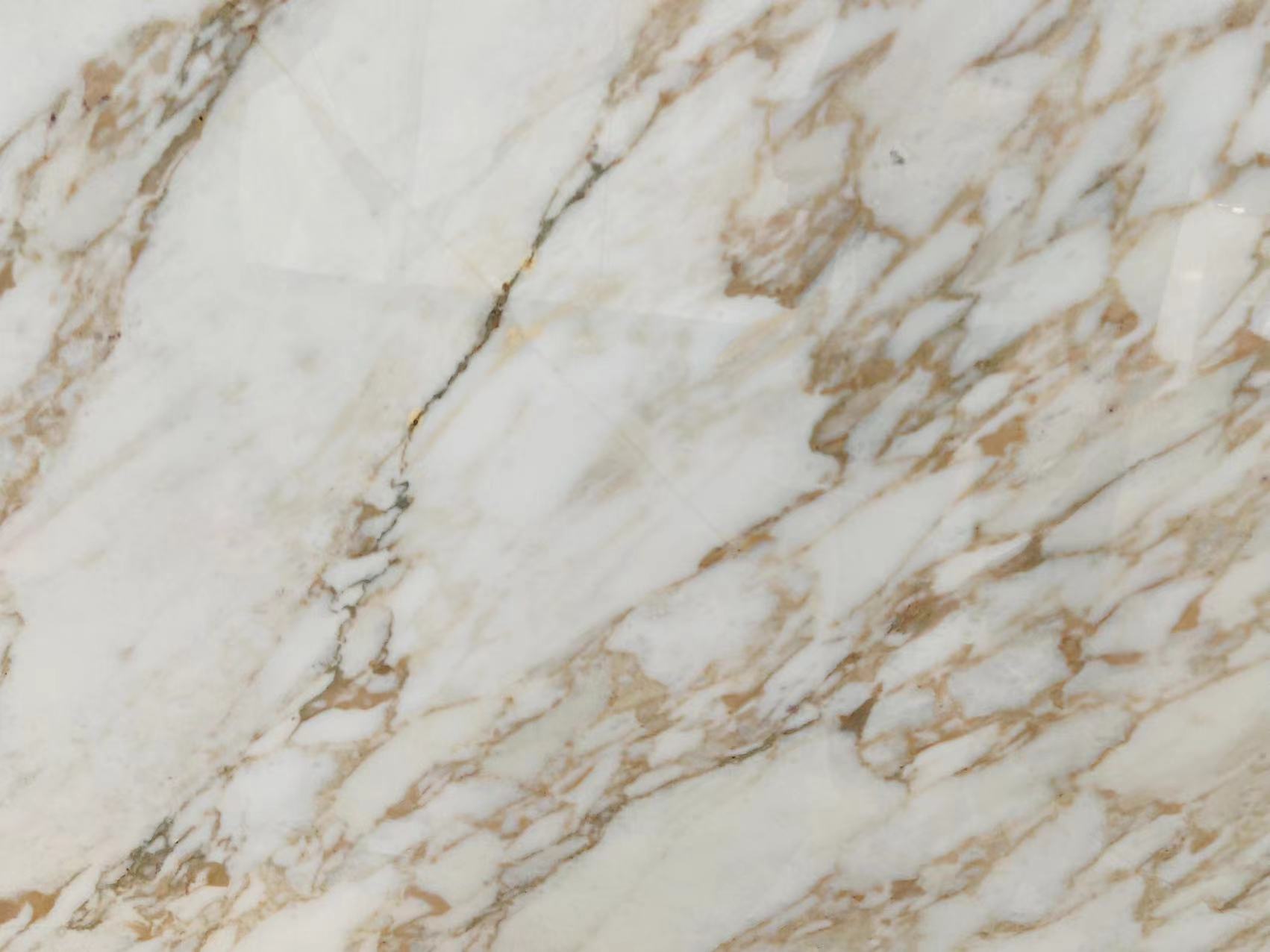

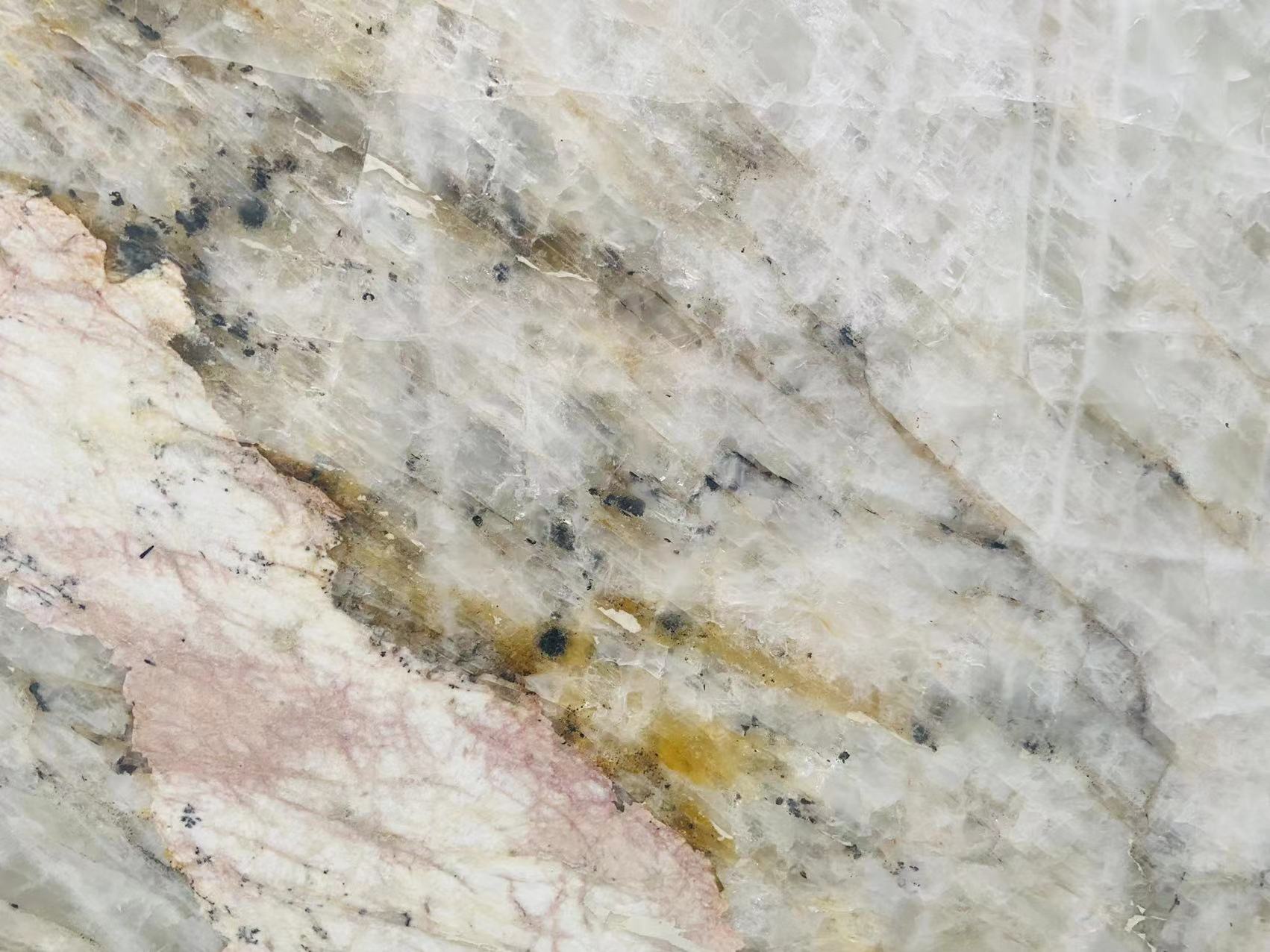




Using Marble Stone Slabs in Showers and Wet Areas
Marble is a timeless and elegant choice for showers and other wet areas, offering a luxurious aesthetic that can elevate any bathroom design. While marble requires some maintenance to keep it looking its best, its beauty and durability make it a worthwhile investment. To provide deeper insights into using marble in wet areas, we consulted Mike Loflin, Industry Research & Information Manager at the Natural Stone Institute. Below, we explore the key considerations, maintenance tips, and best practices for using marble in showers and other moisture-prone spaces.
Is Marble Suitable for Showers and Wet Areas?
Yes, marble is suitable for most shower and wet area applications. However, it’s important to note that marble is a natural stone, and its performance in wet environments depends on its mineral composition and how well it is maintained. Some marbles may react differently to water and moisture due to the presence of trace minerals like pyrite, which can oxidize under certain conditions. To ensure the best results, always consult with your fabrication partner to select the right type of marble for your specific application.
What Causes Marble to Rust?
Marble can develop rust-like stains if it contains minerals such as pyrite, which can oxidize when exposed to water, acid, or bleach. This oxidation process is what we commonly refer to as rust. Marble with colorful veining or hues often contains trace minerals that may be susceptible to rusting. However, rust will only occur if the stone is exposed to oxidizing liquids and is not properly treated or sealed afterward.
What Are Pyrite Inclusions, and Why Are They Prominent in Marble?
Pyrite is a yellowish, metallic sulfide mineral commonly found in white marbles. It often forms small, randomly distributed clusters called inclusions, which are naturally occurring in many white stones. While pyrite inclusions can add unique character to marble, they also pose a risk of rust if the stone is not properly sealed and maintained.
The good news is that with proper installation, sealing, and maintenance, rust is unlikely to become an issue. Many historic buildings, from Washington D.C. to Milan, feature marble that has remained rust-free for centuries due to proper care.
How Can Your Fabricator Prevent Rust in Marble?
To ensure that rust or oxidation does not occur in your marble, your fabricator should follow these best practices:
- Avoid Oil-Based Products: Never use oil-based putty or plumbing sealants in contact with marble, as they can trap moisture and lead to oxidation.
- Use Cement Backer Board: Instead of water-resistant drywall (green board), use a cement backer board. Drywall can degrade over time and become a food source for mold and mildew when exposed to moisture.
- Ensure Proper Slope: All horizontal surfaces, such as shower pans, seats, sills, and curbs, should slope slightly downward to promote proper water drainage.
- Waterproof Sealing: Properly seal around the stone to prevent water from getting behind or underneath the slab. Use a deep-penetrating, breathable sealant on the surface to protect against oxidation.
- Quality Sealant: Invest in a high-quality sealer that penetrates deeply into the stone while allowing it to breathe. This will help prevent water from penetrating the surface and causing rust.
If Marble Is Sealed Properly, Will It Prevent Rust?
A high-quality, deep-penetrating sealer can significantly reduce the risk of rust and oxidation. However, sealers are not permanent solutions—they act as a protective barrier that requires regular maintenance. Over time, repetitive exposure to moisture can diminish the sealer’s effectiveness. To extend the life of the sealer, follow these maintenance tips:
- Run the Ventilation Fan: Use the bathroom fan during and after showering to reduce humidity levels.
- Squeegee the Stone: After each use, squeegee the marble surfaces to remove excess water.
- Dry with a Towel: Wipe down the stone with a towel to ensure no water droplets remain.
- Allow Ventilation: Leave the shower door or curtain open after use to promote airflow and drying.
How Often Should You Seal Marble in Wet Areas?
The frequency of sealing depends on how well the marble is maintained. If properly cared for, sealing the stone annually may be unnecessary. A simple test to check if the sealer is still effective is to observe whether water beads up on the surface. If water no longer beads, it’s time to reapply the sealer.
Can Marble Be Used in a Steam Shower?
Yes, marble can be used in steam showers, but it’s crucial to select the right type of marble. For steam showers, which generate high levels of moisture, opt for marbles classified as “A” or “B”, as they contain fewer minerals prone to rusting. Avoid using marbles classified as “C” or “D” in steam showers, as their veining may dissolve in such environments. For regular showers, marbles of all classifications (A, B, C, and D) can be used with proper maintenance.
For a detailed breakdown of stone classifications, visit the Natural Stone Institute website.
What Happens If Rust Stains Are Left Untreated?
If rust stains are left untreated, they can become difficult or impossible to remove, especially if the rust originates from within or below the stone. However, there are products available that can help remove surface rust stains. One such product is Tenax Rust Remover, a ready-to-use liquid that can effectively eliminate rust in some cases. To use it, apply the liquid to the rust spots, let it sit for 1.5 hours, and then wipe it off with a clean cloth. Always follow the product instructions carefully for the best results.
If rust stains persist, your fabricator may need to re-hone the marble and reapply the sealer to restore its original appearance.
Key Takeaways for Using Marble in Wet Areas
- Choose the Right Marble: Select marble with minimal pyrite inclusions for wet areas, especially steam showers.
- Proper Installation: Ensure your fabricator follows best practices for installation, including using cement backer board and proper sealing.
- Regular Maintenance: Maintain your marble by ventilating the space, squeegeeing after use, and reapplying sealant as needed.
- Address Rust Promptly: Use rust removal products like Tenax at the first sign of oxidation to prevent permanent staining.
By following these guidelines, you can enjoy the timeless beauty of marble in your shower and other wet areas while minimizing the risk of rust and other issues. For more information on stone care and maintenance, visit the Natural Stone Institute website.
Shop Our Marble Collection
Explore our curated selection of marble slabs, perfect for showers, countertops, and other applications. With proper care and maintenance, marble can bring elegance and sophistication to your space for years to come.
Latest News
-
 Vanity Tops are Bathroom Worktops (WC’s, Toilets, Bathrooms, Ensuites)
Vanity Tops: The Perfect Bathroom Worktops for WC’s, Toilets, and Ensui...
-
 Kitchen Splashbacks and Upstands For Wall Protection
Kitchen Splashbacks and Upstands: Wall Protection Kitchen splashbacks and ups...
-
 The Five Quartzite Designs
The Five Quartzite Designs Quartzite is a stunning natural stone that combine...
-
 Stunning Works: Marble Slab Wall
Stunning Works: Marble Slab Walls Marble slab walls are the epitome of luxury...
-
 Red Marble: Color And Design Combined
Red Marble: Color And Design Combined Red marble is more than just a materia...
-
 Travertine Countertops
Travertine Countertops Travertine is a natural stone known for its earthy ton...
-
 Marble Kitchen Island: Best Ideas & Inspirations
Marble Kitchen Island: Best Ideas & Inspirations A marble kitchen island ...
-
 The Pros and Cons of Natural Stone Floor Tiles
The Pros and Cons of Natural Stone Floor Tiles Natural stone floor tiles have...
-
 5 Key Factors How to Tell If Good Quality Marble
5 Key Factors How to Tell If Good Quality Marble Marble has long been a sym...
-
 5 Most Beautiful Green Stone Countertops For 2025
Introduction: Why You Should Go Green Stone with Countertops? In 2025, green ...