
- Natural Stone
- Artificial Stone



Travertine: A Comprehensive Guide to Choosing the Right Stone
Travertine is a versatile and elegant natural stone that has been used in construction and design for centuries. Known for its unique texture and warm color variations, travertine is a popular choice for countertops, flooring, backsplashes, and more. This guide will help you understand the different types of travertine, their pros and cons, and how to choose the best option for your home.
What is Travertine?
Travertine is a type of limestone that forms near hot springs and in limestone caves. It is a sedimentary rock that is created through the precipitation of calcium carbonate. Over time, these deposits harden to form travertine, which is then quarried and cut into blocks for use in construction and design.
Key Characteristics of Travertine:
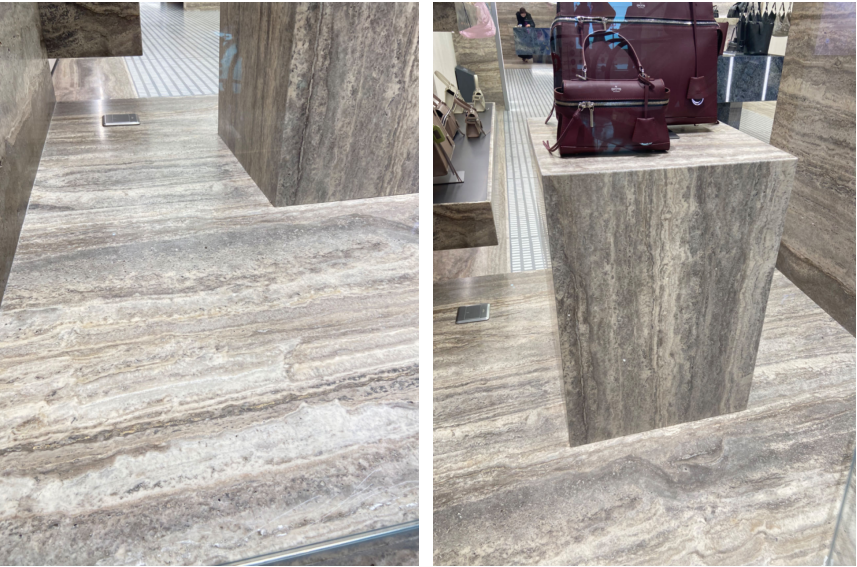
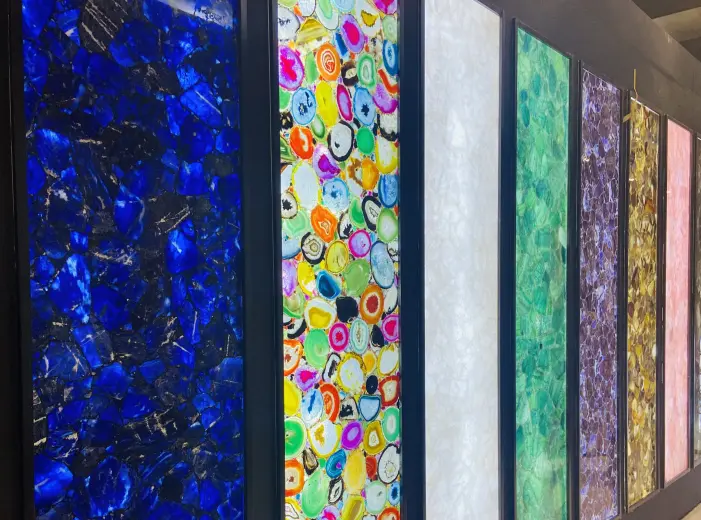
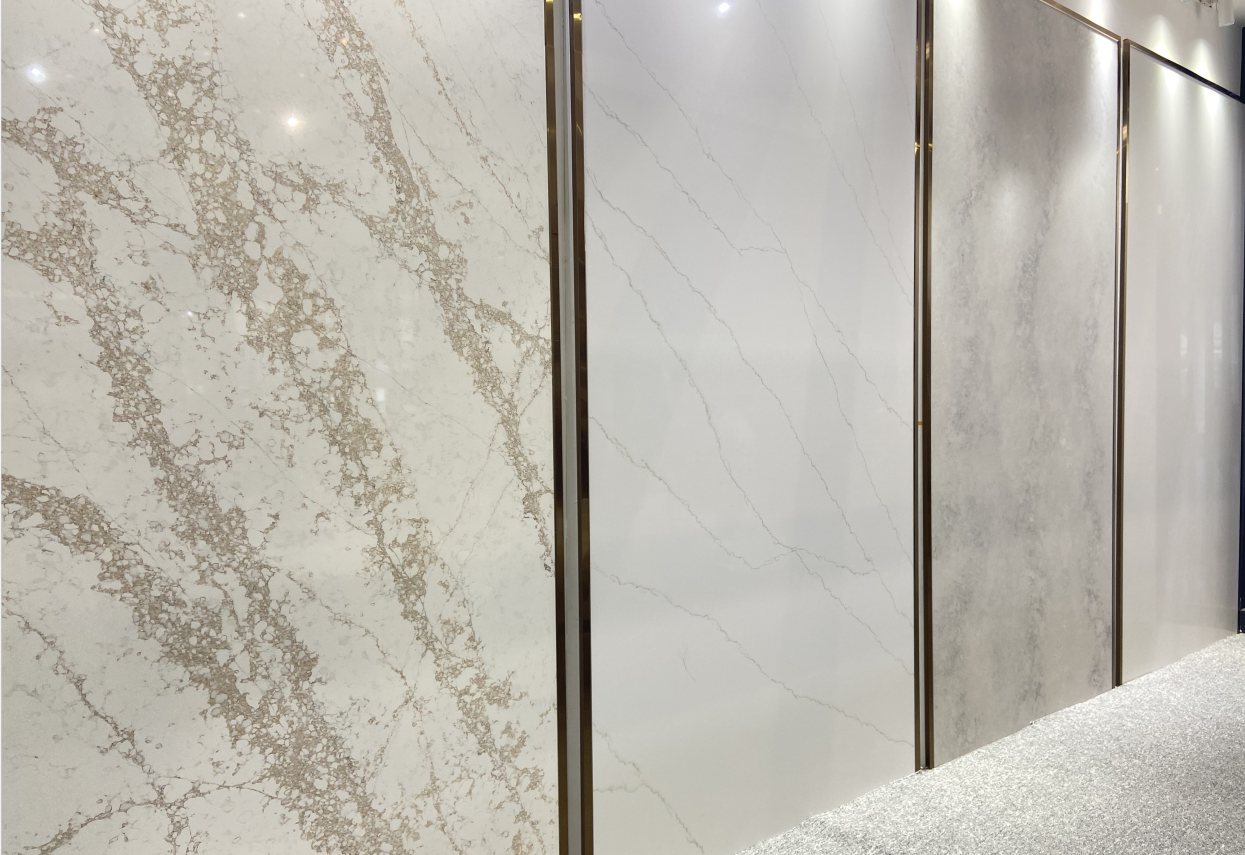
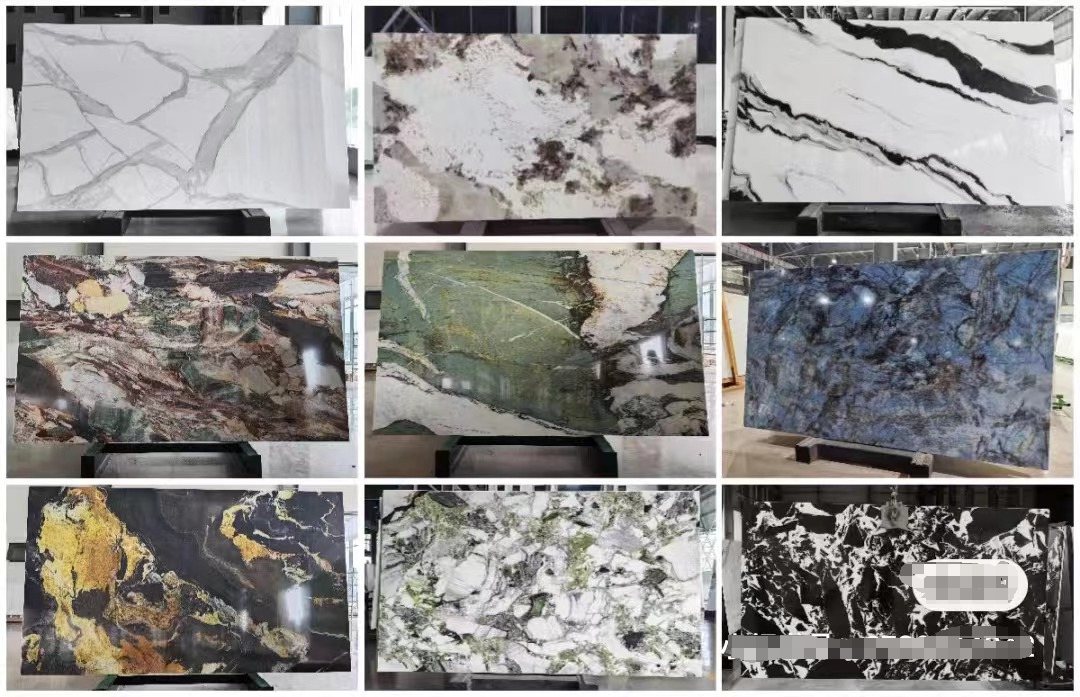
- Color Variations: Travertine comes in a range of colors, including light gray, gold, brown, and even red. Some varieties feature streaks or veins, adding to their unique appearance.
- Texture: The stone has a porous surface with natural pits and voids, which can be filled or left unfilled depending on the desired look.
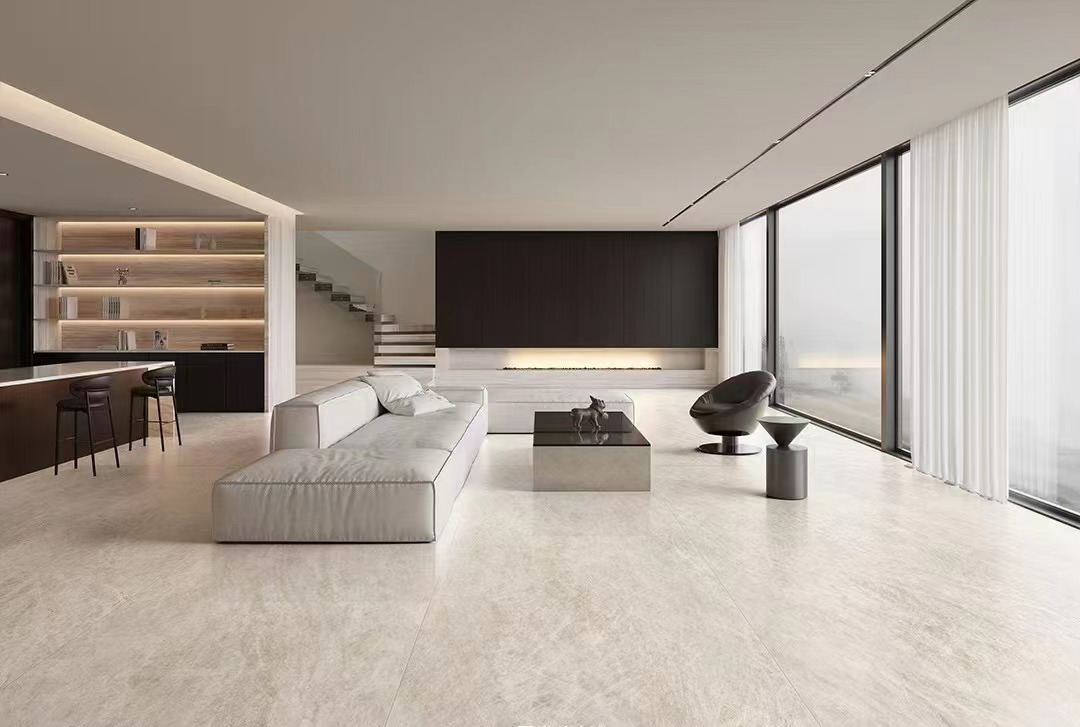
- Versatility: Travertine can be used for countertops, flooring, wall cladding, and more, making it a versatile choice for both indoor and outdoor applications.
Travertine is a natural stone with a rich history and a wide range of applications, making it a popular choice for homeowners and designers alike.
Popular Types of Travertine
Travertine is available in various colors and styles, each with its own unique characteristics. Below are some of the most popular varieties:
1. Travertine Classik Light
- Color: A delicate shade of coffee with milk.
- Origin: Turkey.
- Best Uses: Ideal for low-traffic areas such as bathroom countertops and bathtub cladding.
2. Travertine Yellow
- Color: Golden brown with multi-layered textures and veins.
- Best Uses: Adds warmth and light to spaces, making it suitable for countertops and wall cladding.
3. Noche Travertine
- Color: Ranges from light brown to beige.
- Best Uses: Perfect for countertops, shower enclosures, and surface cladding.
4. Red Travertine
- Color: A stunning red hue.
- Best Uses: Creates a dramatic effect in any space, ideal for accent walls or countertops.
Each type of travertine offers unique aesthetic qualities, allowing you to choose the perfect stone to match your design vision.
Pros and Cons of Travertine
Like any natural stone, travertine has its advantages and disadvantages. Understanding these can help you make an informed decision about whether it’s the right material for your project.
Pros:
- Aesthetic Appeal: Travertine’s natural beauty and warm tones add elegance to any space.
- Versatility: Suitable for a wide range of applications, including countertops, flooring, and wall cladding.
- Durability: When properly maintained, travertine can last for decades.
- Natural Material: As a natural stone, travertine is eco-friendly and sustainable.
Cons:
- Porosity: Travertine is highly porous, making it susceptible to stains and damage from acidic substances.
- Maintenance: Requires regular sealing to protect against spills and stains.
- Cost: While not the most expensive natural stone, travertine can be more costly than some alternatives.
Travertine offers a unique combination of beauty and versatility, but its porous nature and maintenance requirements should be carefully considered.
How Much Does Travertine Cost?
The cost of travertine varies depending on the type, finish, and application. Here’s a general overview of pricing:
- Countertops: 100to120 per square foot on average.
- Tiles: 36to55 per square meter.
Purchasing directly from a supplier like United Granite NJ can help you get the best price for high-quality travertine.
Travertine is a mid-range option in terms of cost, offering excellent value for its durability and aesthetic appeal.
Travertine Tiles: A Popular Choice
Travertine tiles are a common application of this natural stone, particularly for flooring. They can be processed in various ways to achieve different finishes:
Types of Travertine Tile Finishes:
- Polished: A glossy finish that enhances the stone’s natural color.
- Brushed: A matte finish that gives the tile a textured look.
- Filled: The pores of the stone are filled to create a smooth surface.
- Unfilled: The stone is left in its natural porous state for a rustic appearance.
Advantages of Travertine Tiles:
- Aesthetic Variety: Available in a range of colors and finishes to suit any design style.
- Durability: Suitable for high-traffic areas when properly sealed.
- Natural Look: Adds warmth and character to any space.
Travertine tiles are a versatile and durable option for flooring, walls, and other surfaces, offering a natural and elegant look.
Tips for Maintaining Travertine
Proper care is essential to keep your travertine surfaces looking their best. Here are some maintenance tips:
- Regular Sealing: Seal travertine surfaces at least once a year to protect against stains and damage.
- Clean Spills Immediately: Wipe up spills, especially acidic substances like wine or citrus juice, to prevent staining.
- Use Mild Cleaners: Avoid harsh chemicals and abrasive cleaners, which can damage the stone.
- Protect from Scratches: Use coasters, cutting boards, and trivets to prevent scratches and heat damage.
By following these maintenance tips, you can extend the lifespan of your travertine surfaces and keep them looking beautiful for years to come.
Conclusion
Travertine is a timeless and versatile natural stone that can enhance the beauty and functionality of any space. Whether you’re looking for a stunning countertop, elegant flooring, or a unique backsplash, travertine offers a wide range of options to suit your needs. While it requires regular maintenance to protect its porous surface, the aesthetic appeal and durability of travertine make it a worthwhile investment for your home.
By understanding the different types of travertine, their pros and cons, and proper maintenance techniques, you can choose the perfect stone to elevate your home’s design.
Latest News
-
 Vanity Tops are Bathroom Worktops (WC’s, Toilets, Bathrooms, Ensuites)
Vanity Tops: The Perfect Bathroom Worktops for WC’s, Toilets, and Ensui...
-
 Kitchen Splashbacks and Upstands For Wall Protection
Kitchen Splashbacks and Upstands: Wall Protection Kitchen splashbacks and ups...
-
 The Five Quartzite Designs
The Five Quartzite Designs Quartzite is a stunning natural stone that combine...
-
 Stunning Works: Marble Slab Wall
Stunning Works: Marble Slab Walls Marble slab walls are the epitome of luxury...
-
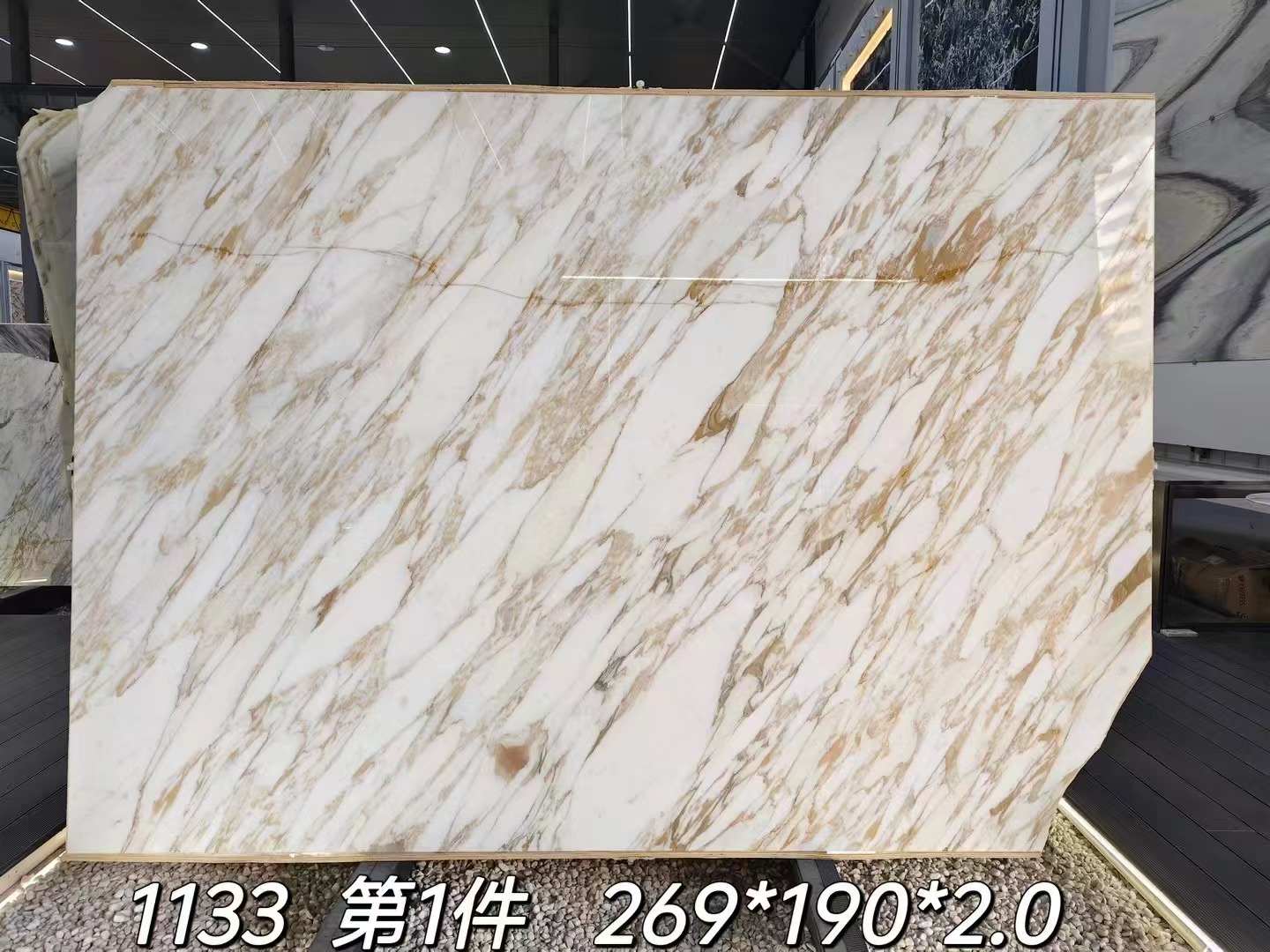 Red Marble: Color And Design Combined
Red Marble: Color And Design Combined Red marble is more than just a materia...
-
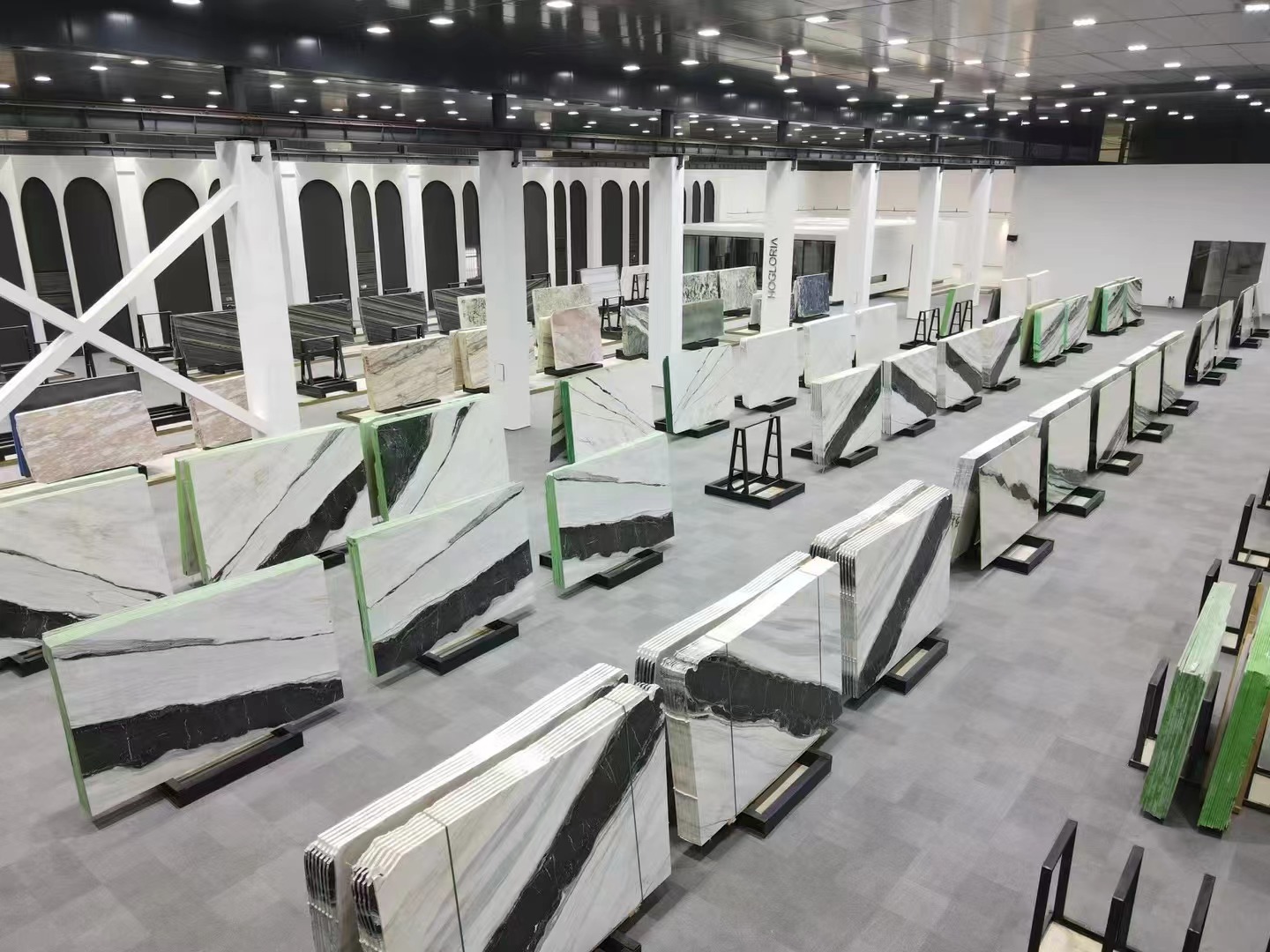
 Travertine Countertops
Travertine Countertops Travertine is a natural stone known for its earthy ton...
-
 Marble Kitchen Island: Best Ideas & Inspirations
Marble Kitchen Island: Best Ideas & Inspirations A marble kitchen island ...
-
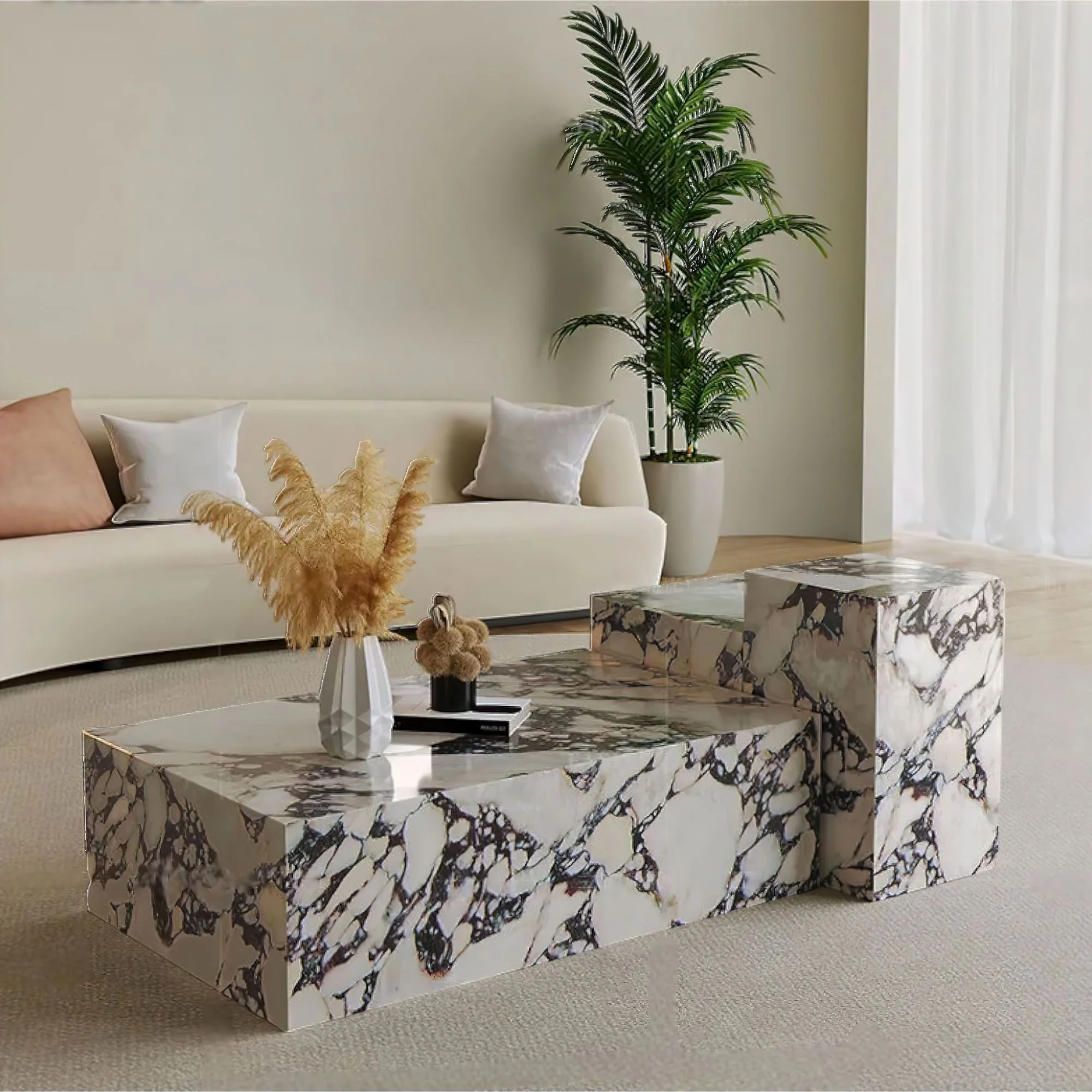 The Pros and Cons of Natural Stone Floor Tiles
The Pros and Cons of Natural Stone Floor Tiles Natural stone floor tiles have...
-
 5 Key Factors How to Tell If Good Quality Marble
5 Key Factors How to Tell If Good Quality Marble Marble has long been a sym...
-
 5 Most Beautiful Green Stone Countertops For 2025
Introduction: Why You Should Go Green Stone with Countertops? In 2025, green ...