
- Natural Stone
- Artificial Stone



The Timeless Elegance of Travertine: A Natural Stone with Enduring Beauty
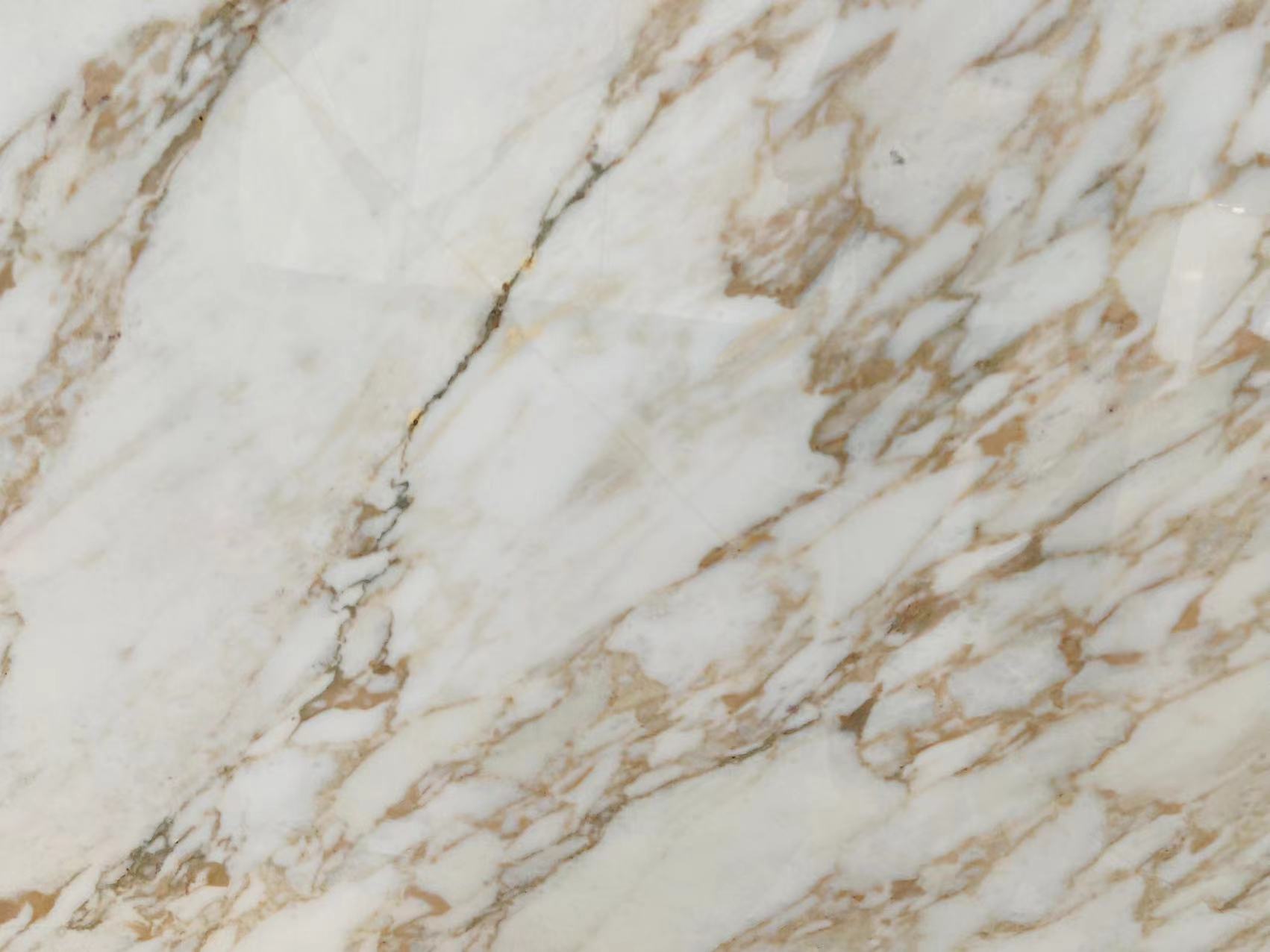
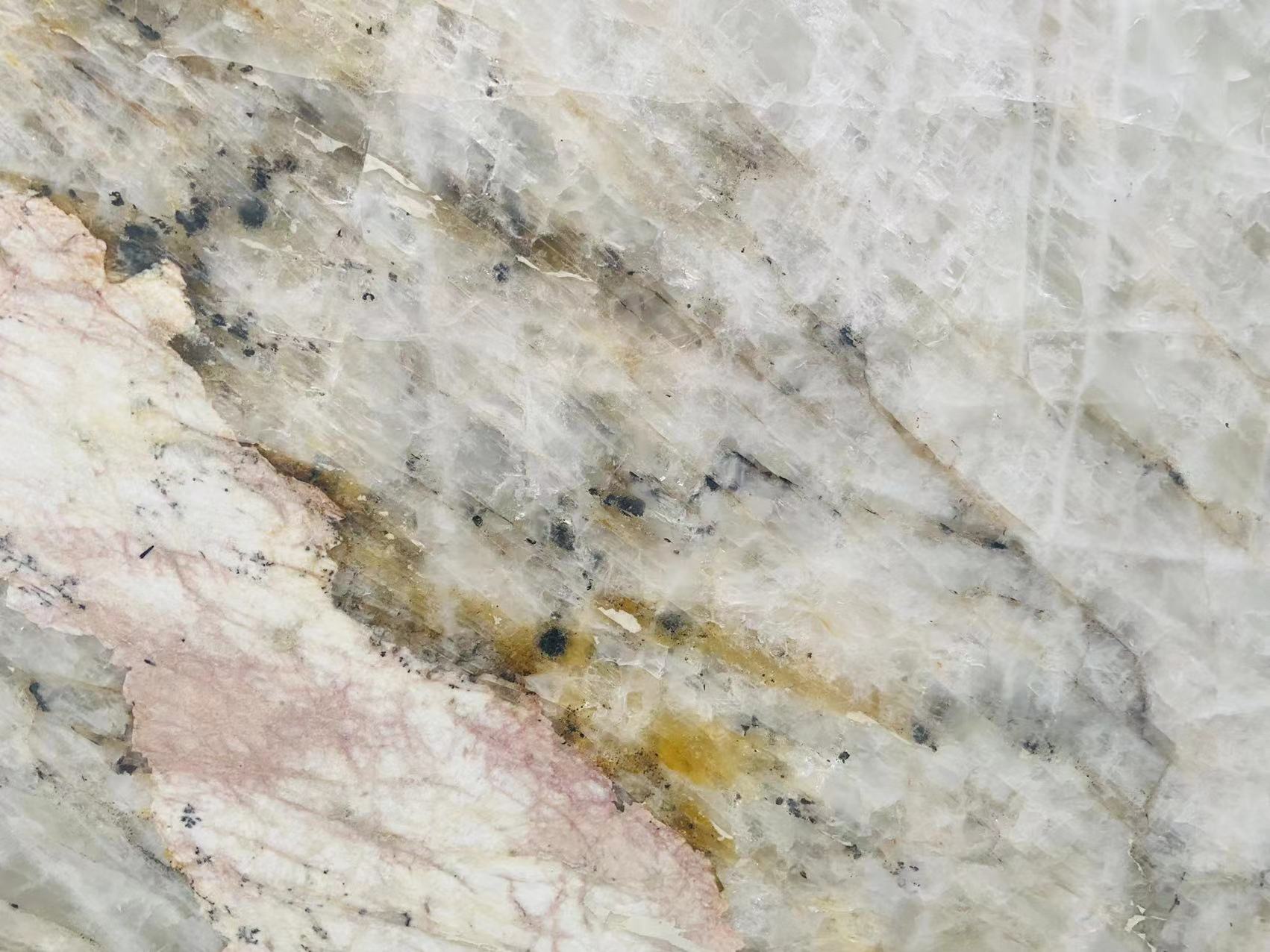
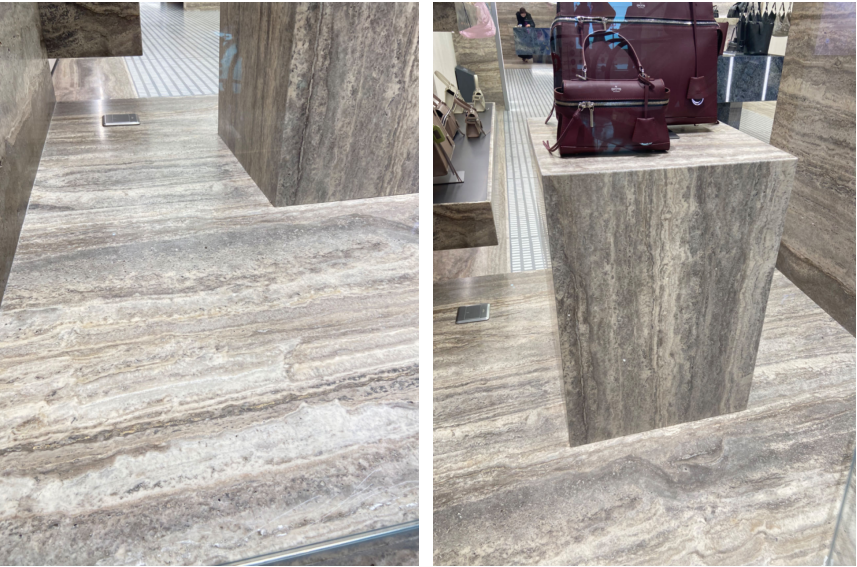
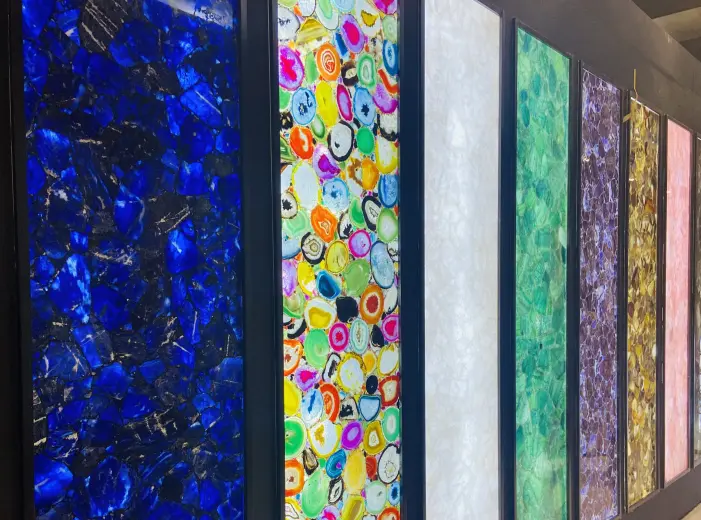
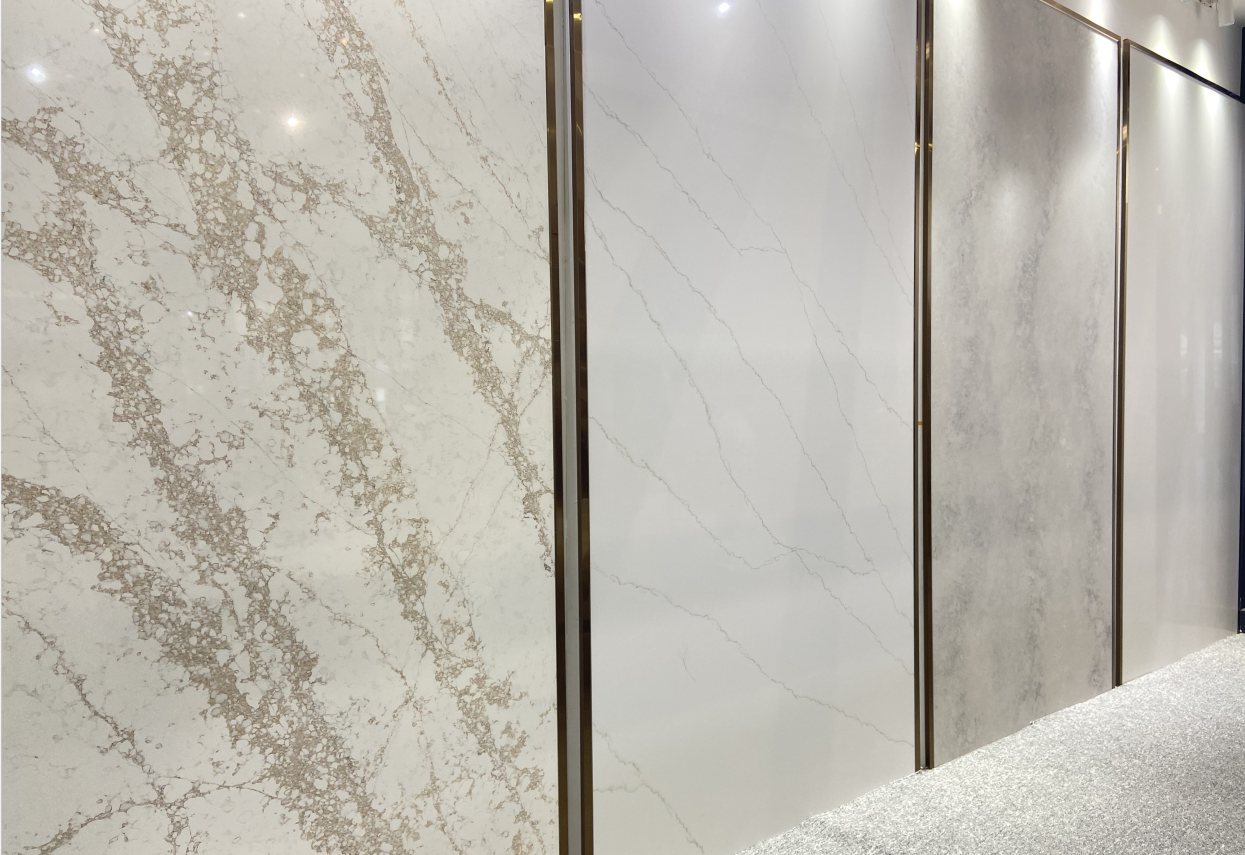
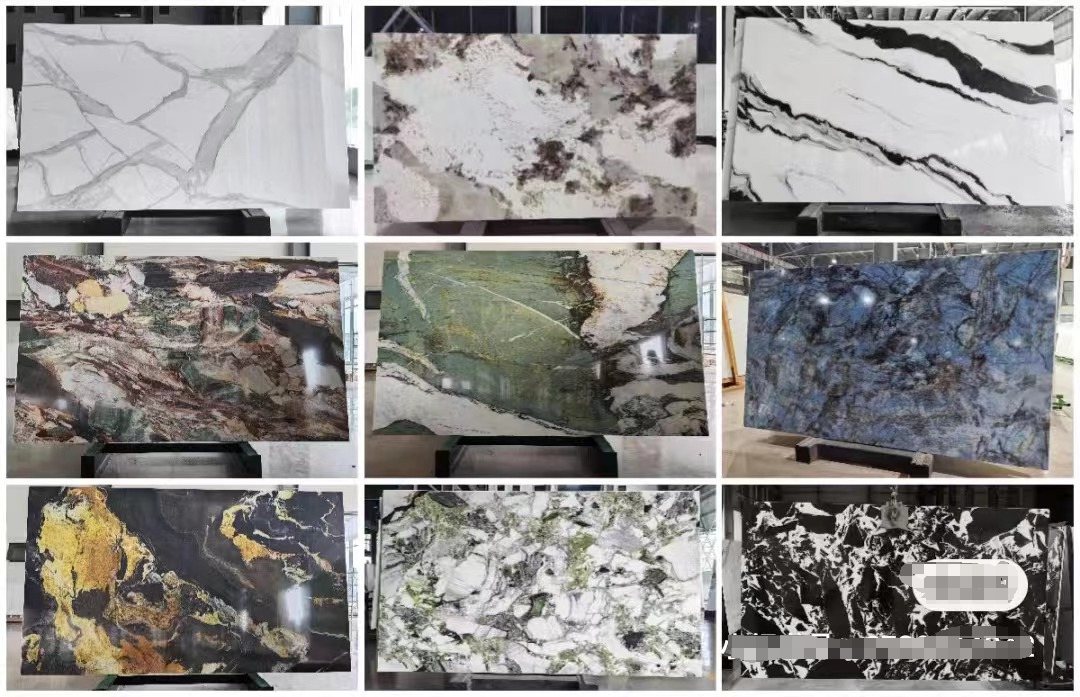
Travertine is one of the most sophisticated and enduring natural stones, celebrated for its unique formation and versatile applications. Formed from the deposition of calcium carbonate particles on the Earth’s surface by rivers, natural springs, or geysers, travertine exhibits distinctive concentric rings or wave-like patterns when crosscut. These natural patterns, combined with its range of colors—from soft whites and silvers to warm golds and deep browns—make travertine a highly sought-after material in both ancient and modern architecture.
The Formation and Characteristics of Travertine
Travertine is a type of limestone that forms through the rapid precipitation of calcium carbonate. This process typically occurs in mineral springs, especially hot springs, and in rivers that flow over limestone beds. As water flows, it deposits layers of calcium carbonate, creating the concentric rings and wave-like patterns that are characteristic of travertine. These natural formations give travertine its unique and elegant appearance.
The color palette of travertine is remarkably diverse, ranging from soft whites and silvers to warm golds and rich browns. This versatility allows travertine to complement a wide variety of design styles, from traditional to contemporary.
Historical Use of Travertine
Travertine has been a prized building material for thousands of years, particularly in ancient Rome. The region surrounding Rome is rich in travertine deposits, making it an abundant and accessible resource for Roman builders. Some of the most iconic structures in history, including the Colosseum, Roman temples, aqueducts, and baths, were constructed using travertine. These enduring structures stand as testaments to the stone’s durability and timeless beauty.
The use of travertine has continued through the centuries, and it remains a popular choice in modern architecture. Notable examples include the Getty Center in Los Angeles and the façades of several Lincoln Center facilities in New York. These contemporary applications demonstrate travertine’s ability to blend seamlessly with modern design while retaining its historical significance.
Residential Applications of Travertine
Today, travertine is widely used in residential settings due to its aesthetic appeal and versatility. Common applications include:
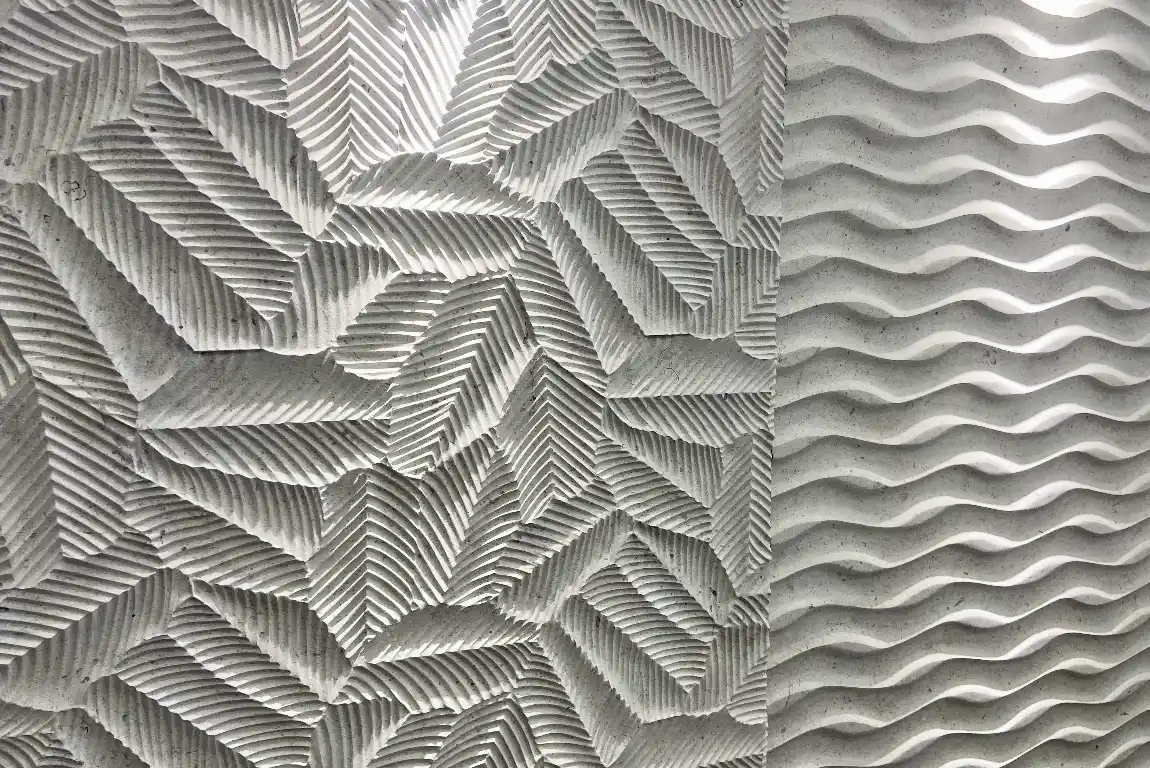
- Wall Cladding: Travertine creates elegant and sophisticated wall surfaces. Its natural patterns and colors add depth and character to living rooms, entryways, and bathrooms.
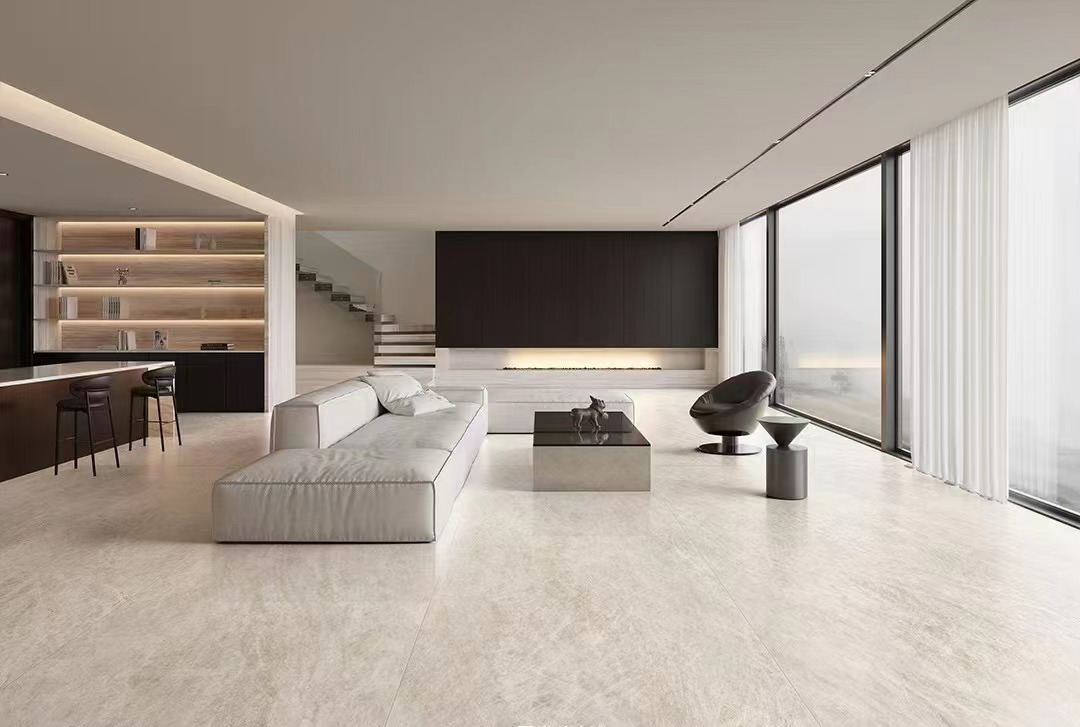
- Flooring: Travertine flooring is a popular choice for its timeless beauty and durability. The stone’s unique patterns create an elegant look, while its strength ensures it can withstand high-traffic areas.
- Fireplace Surrounds: Travertine’s heat resistance and natural beauty make it an excellent choice for fireplace surrounds, adding sophistication and warmth to any room.
- Bathroom Vanities: Travertine vanities elevate the look of bathrooms, offering a touch of luxury and durability for daily use.
Maintenance and Care of Travertine
Like all natural stones, travertine requires proper care to maintain its beauty and longevity. Here are some key maintenance tips:
- Sealing: Travertine should be sealed to protect against stains and wear. Sealing helps repel liquids and prevents them from penetrating the stone’s porous surface. Reapply the sealer every 1-2 years, depending on usage.
- Cleaning: Regular cleaning with a mild, pH-neutral cleaner and a soft cloth is essential. Avoid acidic or abrasive cleaners, as they can damage the stone.
- Protection from Scratches and Acids: Travertine is softer and less dense than granite, marble, and limestone, making it more prone to scratches and etching from acids. Use trivets and coasters to protect the surface from hot pans and acidic substances.
- Filling Small Holes: Small holes are inherent in travertine and are typically filled at the factory to create a more durable surface. Regular maintenance ensures these fillers remain intact.
- Professional Maintenance: For deep cleaning or restoration, consider hiring a professional stone maintenance company to keep your travertine surfaces in excellent condition.
Finishes and Wear
Travertine is available in both honed and polished finishes. A honed finish provides a smooth, matte appearance, while a polished finish offers a high-gloss look. However, due to its porous nature, travertine is more prone to etching from acids and wear over time. This means that polished travertine may lose its shine, especially in high-traffic areas.
Despite this, travertine’s natural beauty and unique patterns allow it to age gracefully. Over time, the stone develops a natural antique finish, adding to its charm and character. This aging process enhances its appearance, making travertine a timeless and enduring choice for any home.
Conclusion
Travertine is a sophisticated and enduring natural stone that offers timeless beauty and versatility. Its unique formation process and wide range of colors make it a popular choice for both ancient and modern architecture. Whether used in wall cladding, flooring, fireplace surrounds, or bathroom vanities, travertine elevates any space with its elegant and sophisticated appearance.
Proper maintenance and care are essential to preserve the longevity and beauty of travertine surfaces. Sealing, regular cleaning, and protection from scratches and acids help maintain the stone’s natural beauty. With its ability to age gracefully and develop a natural antique finish, travertine remains a classic and timeless choice for residential and commercial applications alike.
Whether you’re aiming for a traditional or contemporary design, travertine provides the perfect touch of elegance and sophistication. Its enduring appeal and timeless beauty make it a standout choice in the world of natural stones.
Latest News
-
 Vanity Tops are Bathroom Worktops (WC’s, Toilets, Bathrooms, Ensuites)
Vanity Tops: The Perfect Bathroom Worktops for WC’s, Toilets, and Ensui...
-
 Kitchen Splashbacks and Upstands For Wall Protection
Kitchen Splashbacks and Upstands: Wall Protection Kitchen splashbacks and ups...
-
 The Five Quartzite Designs
The Five Quartzite Designs Quartzite is a stunning natural stone that combine...
-
 Stunning Works: Marble Slab Wall
Stunning Works: Marble Slab Walls Marble slab walls are the epitome of luxury...
-
 Red Marble: Color And Design Combined
Red Marble: Color And Design Combined Red marble is more than just a materia...
-
 Travertine Countertops
Travertine Countertops Travertine is a natural stone known for its earthy ton...
-
 Marble Kitchen Island: Best Ideas & Inspirations
Marble Kitchen Island: Best Ideas & Inspirations A marble kitchen island ...
-
 The Pros and Cons of Natural Stone Floor Tiles
The Pros and Cons of Natural Stone Floor Tiles Natural stone floor tiles have...
-
 5 Key Factors How to Tell If Good Quality Marble
5 Key Factors How to Tell If Good Quality Marble Marble has long been a sym...
-
 5 Most Beautiful Green Stone Countertops For 2025
Introduction: Why You Should Go Green Stone with Countertops? In 2025, green ...