
- Natural Stone
- Artificial Stone



Italian Marble and Brazilian Marble: A Comprehensive Comparison
Marble has long been a symbol of elegance and durability in interior design, gracing everything from ancient sculptures to modern countertops. When it comes to choosing marble for your home or project, two of the most popular options are Italian marble and Brazilian marble. Each type offers unique characteristics, making them suitable for different applications and design preferences. In this article, we’ll compare Italian and Brazilian marble to help you decide which one is the best fit for your needs.
1. Origin and Quality: Where Do They Come From?
Italian Marble
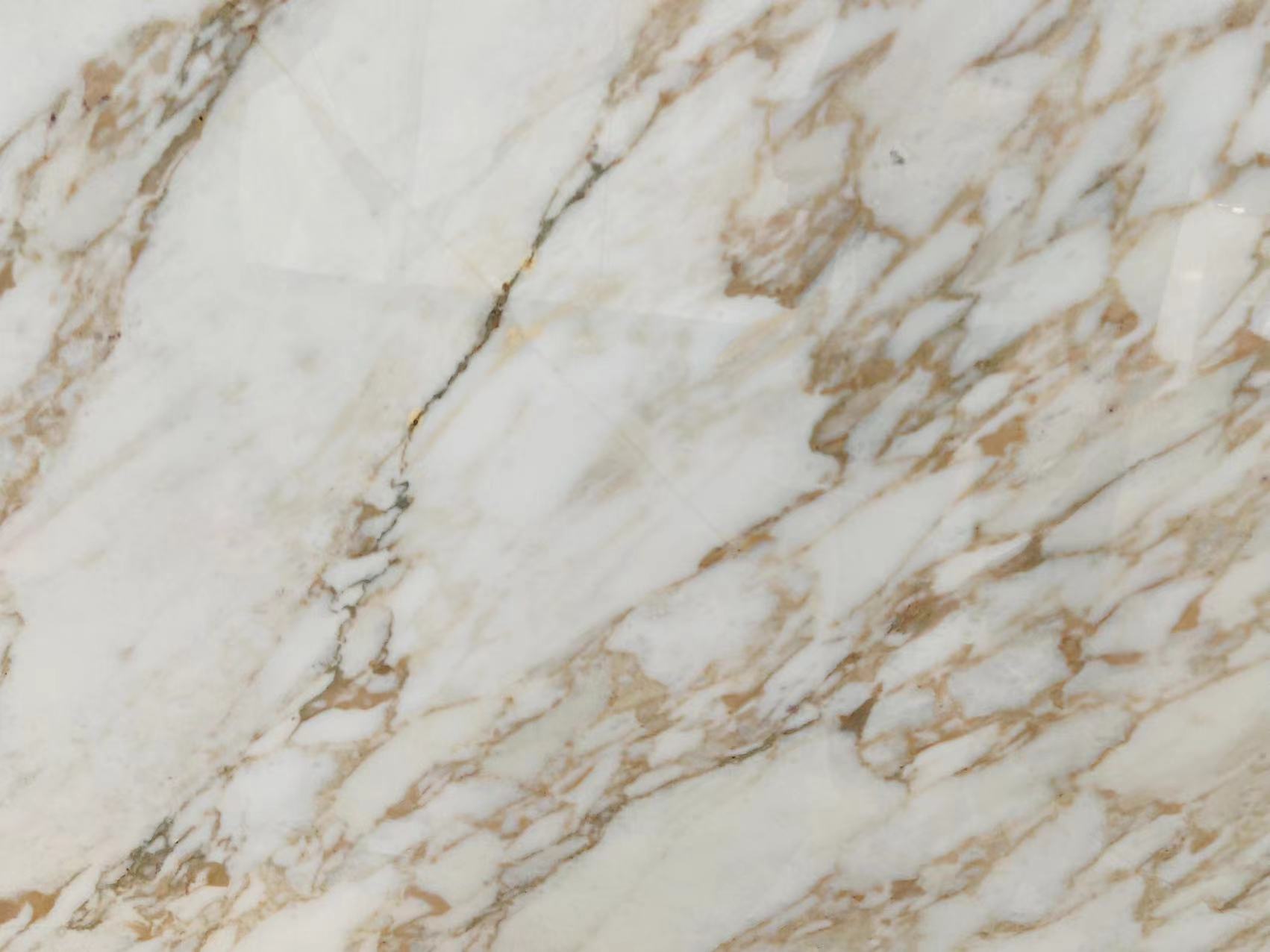
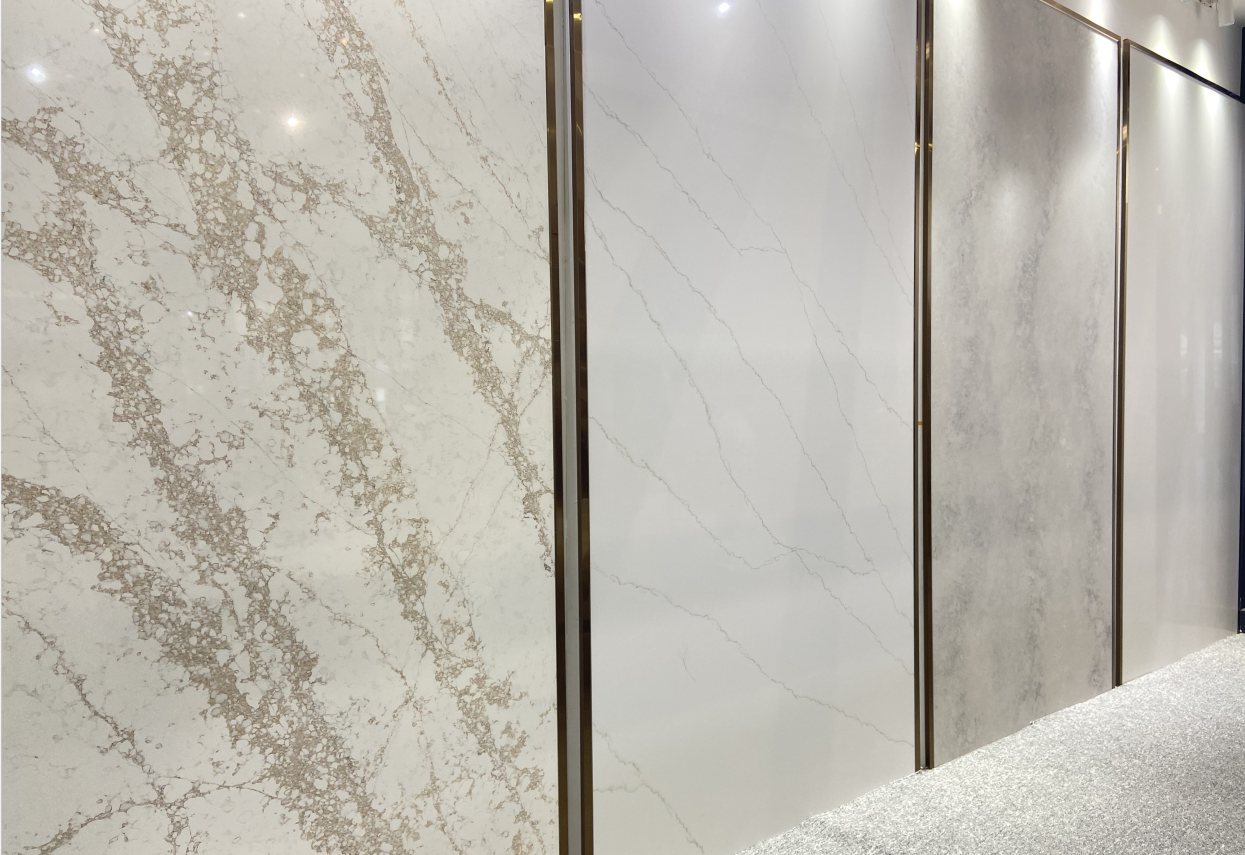
Italy, particularly the Carrara region, is renowned for producing some of the world’s finest marble. Famous varieties like Carrara, Calacatta, and Statuario are celebrated for their sophisticated white tones and distinctive veining. Italian marble is often associated with luxury, craftsmanship, and timeless beauty, making it a top choice for high-end projects.
Brazilian Marble
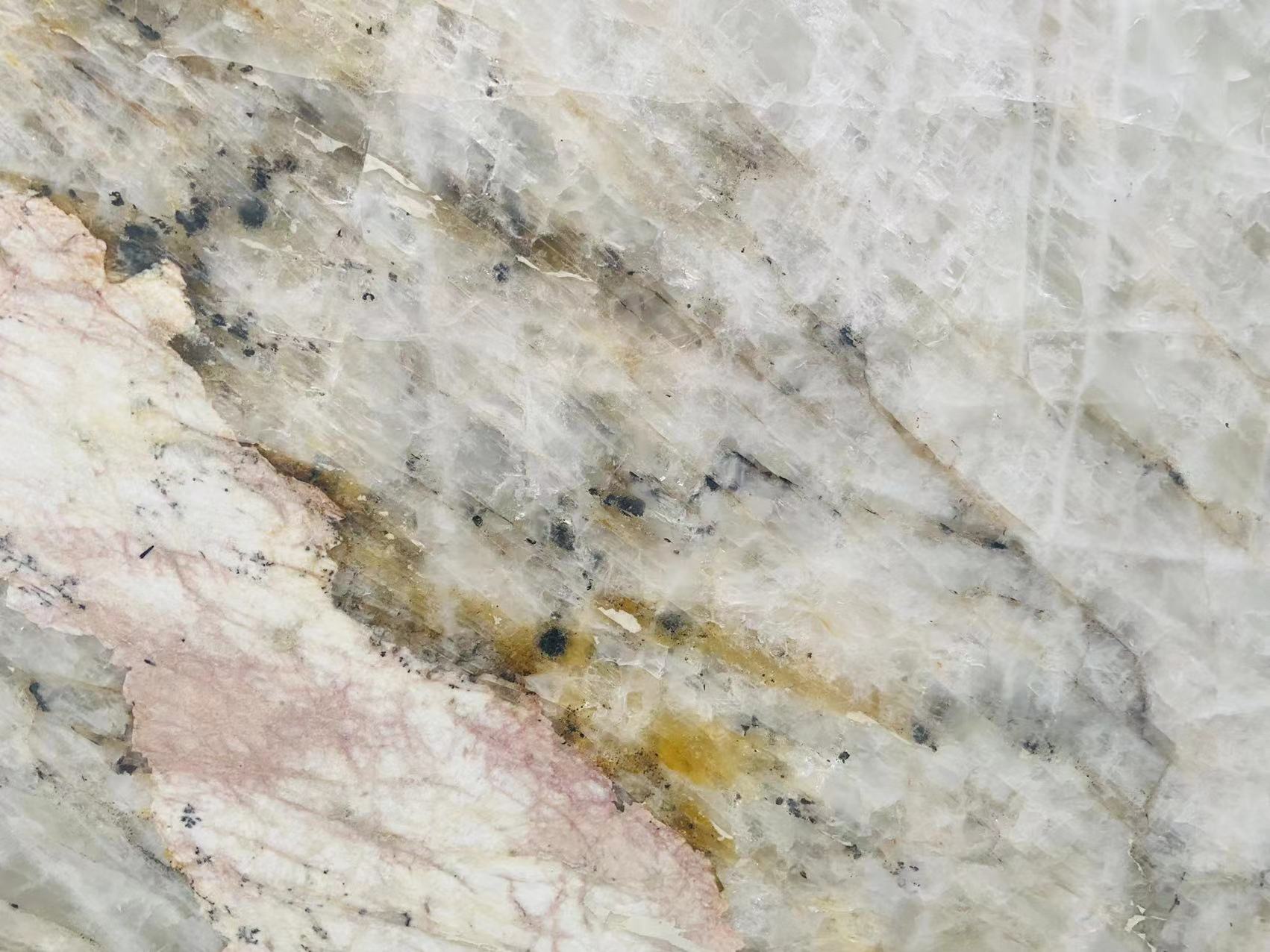
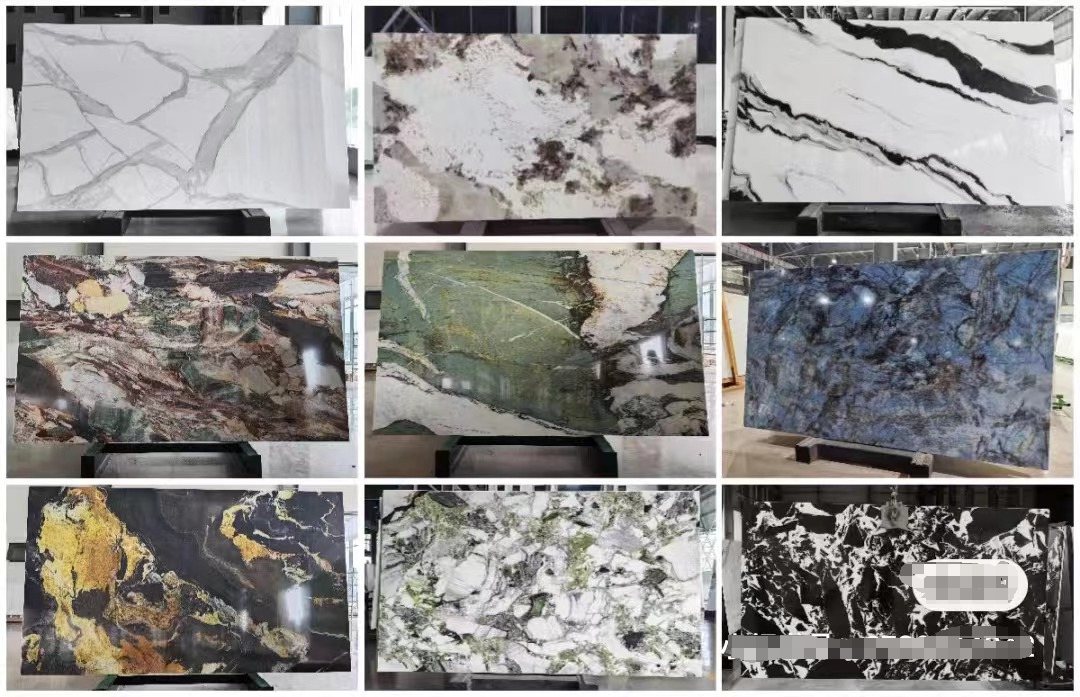
Brazil is a treasure trove of natural stone resources, including marble, granite, and quartzite. Brazilian marble is known for its vibrant colors, unique patterns, and natural textures. It offers a bold and creative aesthetic, making it a popular choice for those looking to make a statement with their design.
2. Aesthetic Features: Which One Fits Your Style?
Italian Marble
Italian marble is synonymous with elegance and sophistication. Its clean white tones and delicate veining make it perfect for minimalist and modern designs. Whether used in classical interiors or contemporary spaces, Italian marble adds a touch of refinement and luxury.
Brazilian Marble
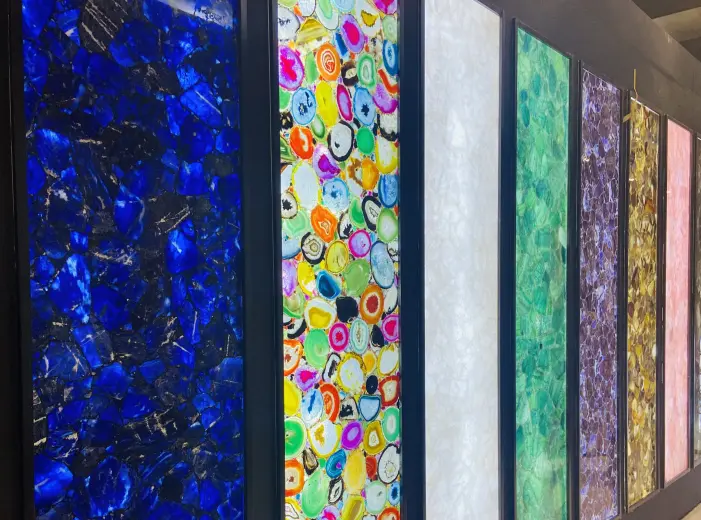
Brazilian marble, on the other hand, is known for its energetic and lively appearance. With a broader color palette and eye-catching patterns, it can create a dynamic and unique design element. From deep greens and blues to soft pinks and blacks, Brazilian marble offers endless possibilities for creative expression.
3. Price and Availability: Which One Fits Your Budget?
Italian Marble
Italian marble is generally more expensive due to its global reputation and high demand. Importing Italian marble can also add to the cost, making it a premium choice for high-budget projects. However, its timeless beauty and association with luxury often justify the investment.
Brazilian Marble
Brazilian marble is typically more affordable and accessible, thanks to the abundance of local resources. It offers excellent value for money, making it a budget-friendly option for medium and large-scale projects.
4. Applications: Where Can You Use Them?
Italian Marble
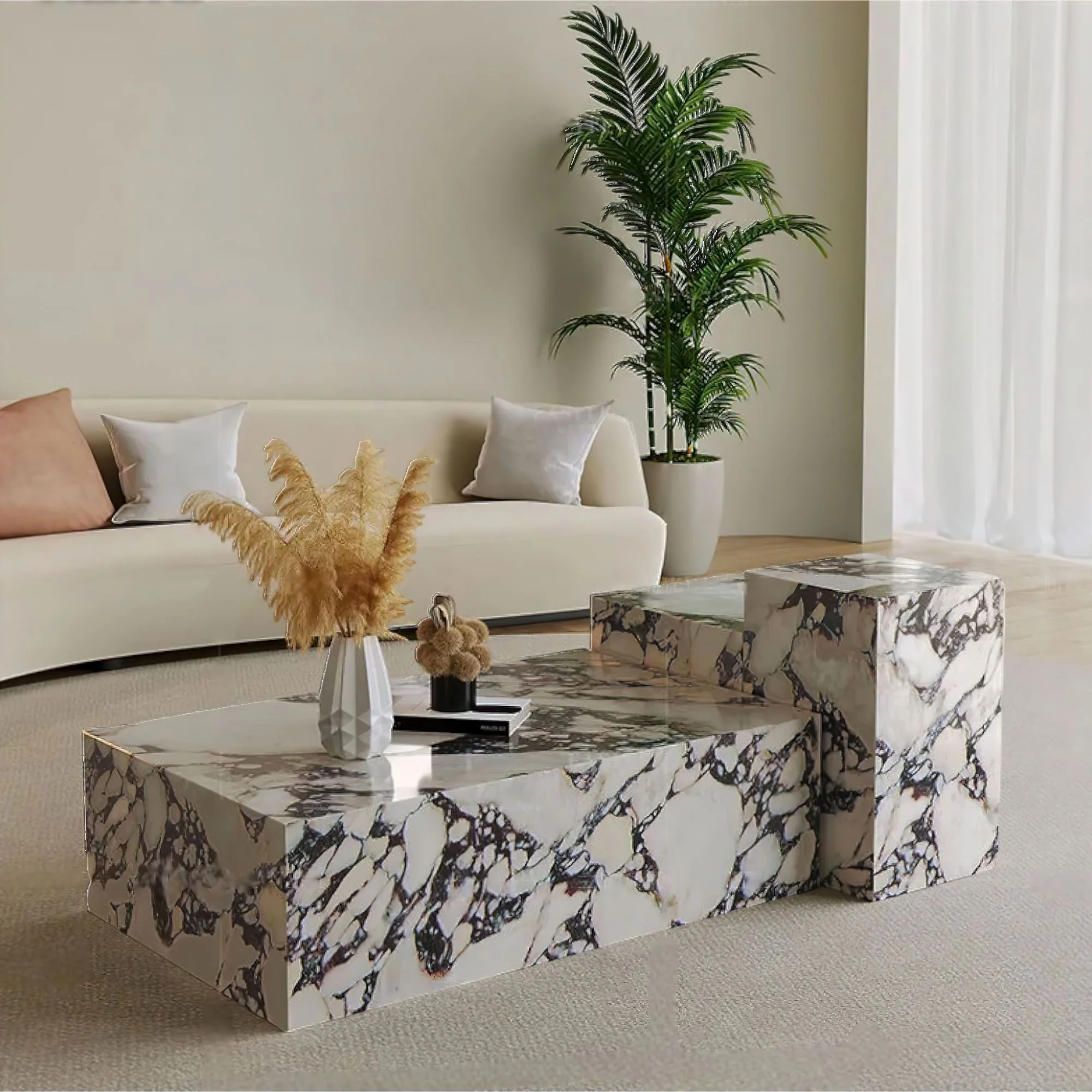
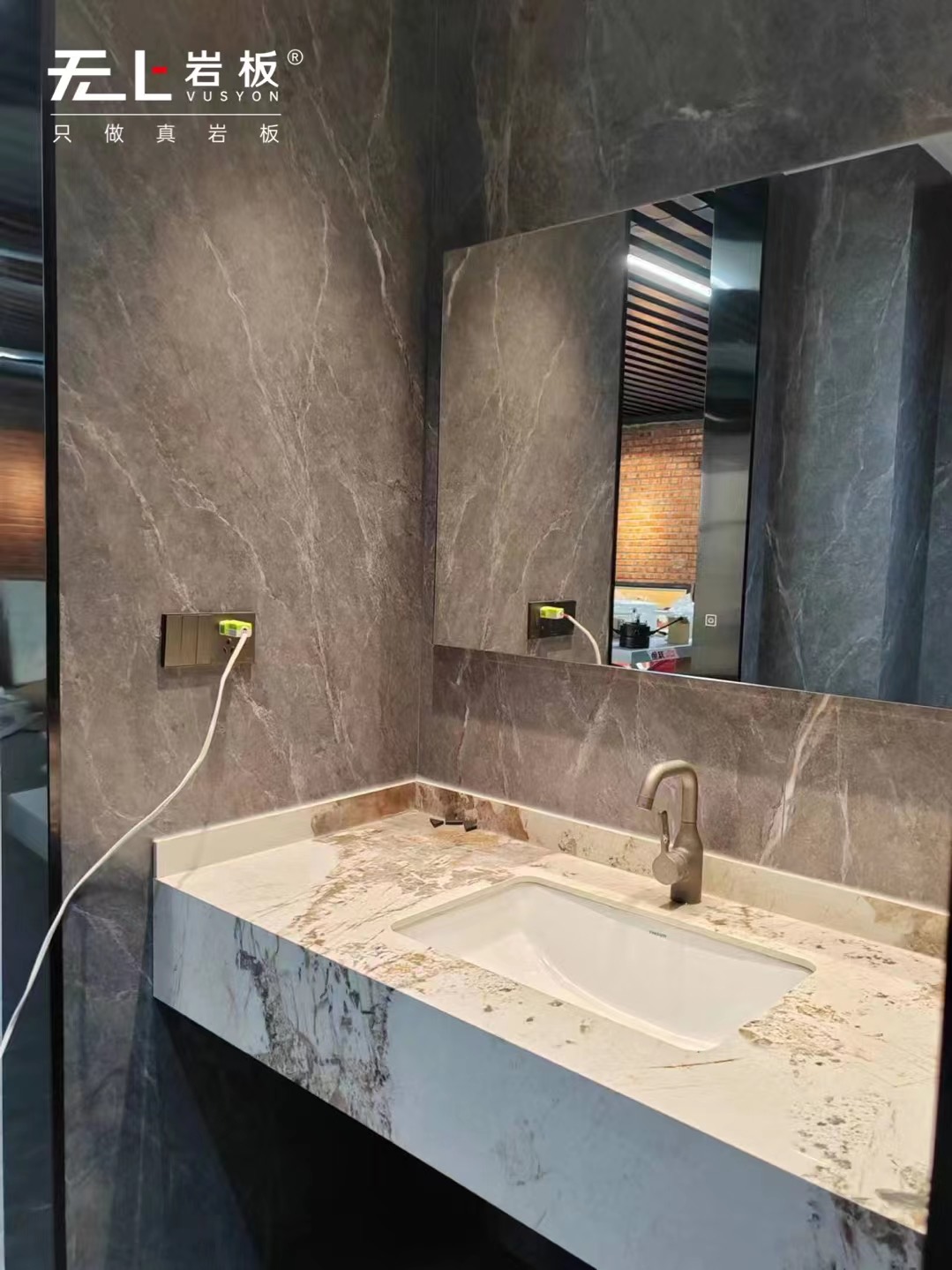
Italian marble is ideal for areas where elegance and sophistication are paramount. It is commonly used for bathroom countertops, flooring, luxurious tabletops, and decorative items. However, due to its softer nature, it requires careful use in high-traffic areas to avoid scratches and wear.
Brazilian Marble
Brazilian marble is more durable and versatile, making it suitable for a wide range of applications. It is often used for kitchen countertops, outdoor projects, and heavily used floors. Its resistance to wear and tear makes it a practical choice for both residential and commercial spaces.
5. Geological Structure and Durability: Which One Lasts Longer?
Italian Marble
Italian marble is formed over thousands of years and is composed of fine grains, giving it a smooth and refined appearance. However, this fine grain structure also makes it slightly more delicate compared to other types of marble.
Brazilian Marble
Brazilian marble is denser and has larger grains due to the unique geological processes in Brazil. This makes it more resistant to scratches and everyday wear, offering better durability and longevity.
6. Color Range and Texture Variety: Which One Offers More Options?
Italian Marble
Italian marble is available in subtle tones such as white, gray, cream, and gold. Its consistent veining creates a uniform and elegant appearance, making it a favorite for classic and minimalist designs.
Brazilian Marble
Brazilian marble offers a wider range of colors, including black, green, blue, and pink. Its bold patterns and textures make it an excellent choice for statement designs and creative projects.
Frequently Asked Questions
1. Which marble is better for kitchen countertops?
Brazilian marble is more suitable for kitchen countertops due to its hardness and durability. However, if you’re aiming for a luxurious look, Italian marble can also be used with proper care.
2. Which marble increases home value more?
Italian marble can significantly enhance home value due to its association with luxury and timeless beauty. Brazilian marble, on the other hand, offers great value for money with its unique aesthetics and durability.
3. Should I use Italian or Brazilian marble for outdoor projects?
Brazilian marble is more suitable for outdoor applications because it is more resistant to wear and weather conditions.
4. Which marble requires less maintenance?
Brazilian marble requires less maintenance as it is more resistant to staining and scratches. Italian marble needs regular sealing to maintain its appearance.
Popular Varieties
Italian Marble:
- Carrara: Known for its soft white background and subtle gray veining.
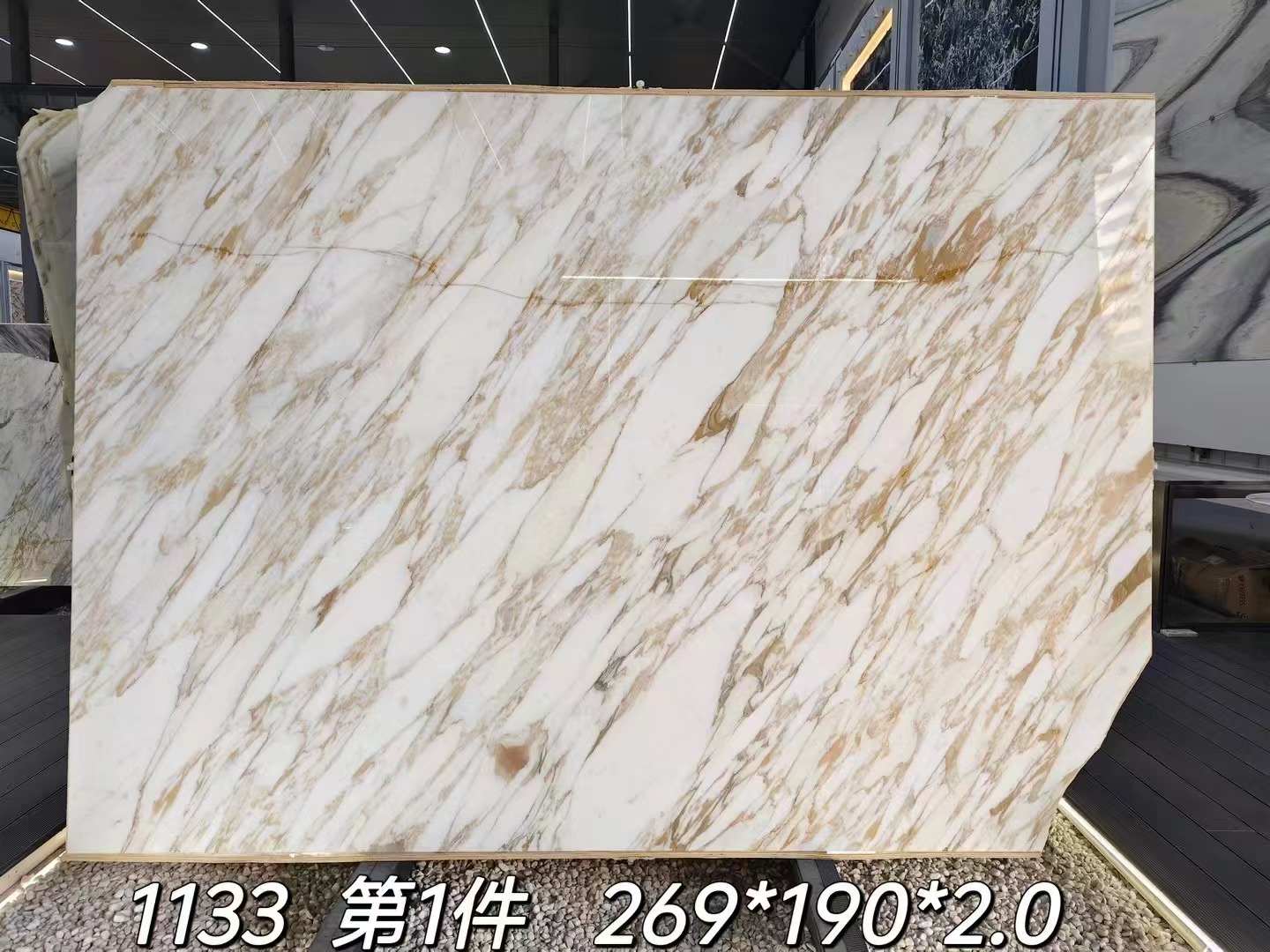
- Calacatta: Features a bright white base with bold, dramatic veining.
- Statuario: A luxurious marble with a white background and striking gray veins.
Brazilian Marble:
- Macaubas: Offers a unique blend of white, gray, and gold tones.
- Amazonia: Known for its deep green color and bold patterns.
- Verde Tropical: Features vibrant green hues with intricate veining.
Conclusion: Which Marble is Right for You?
Both Italian and Brazilian marble have their own unique beauty and characteristics. When choosing between the two, consider your budget, aesthetic preferences, and the type of space where the marble will be used.
- Italian Marble: Ideal for those seeking elegance, luxury, and timeless beauty. Perfect for high-end projects and spaces where sophistication is key.
- Brazilian Marble: A great choice for those looking for durability, affordability, and bold, creative designs. Suitable for high-traffic areas and outdoor applications.
Why Choose Goldwin Stone?
At Goldwin Stone, we specialize in providing high-quality natural stones, including marble, granite, quartz, and quartzite. With locations in Hillsborough Township and Parsippany, New Jersey, we offer a wide selection of marble options to suit your style and budget.
Our Services Include:
- A wide collection of marble and other natural stones.
- Expert guidance in selecting the right material for your project.
- Custom fabrication and installation services tailored to your needs.
Visit our showrooms or contact us today to explore our marble collection and let us help you create timeless beauty in your home or business.
Latest News
-
 Vanity Tops are Bathroom Worktops (WC’s, Toilets, Bathrooms, Ensuites)
Vanity Tops: The Perfect Bathroom Worktops for WC’s, Toilets, and Ensui...
-
 Kitchen Splashbacks and Upstands For Wall Protection
Kitchen Splashbacks and Upstands: Wall Protection Kitchen splashbacks and ups...
-
 The Five Quartzite Designs
The Five Quartzite Designs Quartzite is a stunning natural stone that combine...
-
 Stunning Works: Marble Slab Wall
Stunning Works: Marble Slab Walls Marble slab walls are the epitome of luxury...
-
 Red Marble: Color And Design Combined
Red Marble: Color And Design Combined Red marble is more than just a materia...
-
 Travertine Countertops
Travertine Countertops Travertine is a natural stone known for its earthy ton...
-
 Marble Kitchen Island: Best Ideas & Inspirations
Marble Kitchen Island: Best Ideas & Inspirations A marble kitchen island ...
-
 The Pros and Cons of Natural Stone Floor Tiles
The Pros and Cons of Natural Stone Floor Tiles Natural stone floor tiles have...
-
 5 Key Factors How to Tell If Good Quality Marble
5 Key Factors How to Tell If Good Quality Marble Marble has long been a sym...
-
 5 Most Beautiful Green Stone Countertops For 2025
Introduction: Why You Should Go Green Stone with Countertops? In 2025, green ...