
- Natural Stone
- Artificial Stone



Is marble expensive for staircases? Marble Staircase Cost
When it comes to designing staircases, marble has long been synonymous with luxury, sophistication, and timeless beauty. However, the question of whether marble is expensive for stairs is not a simple one. It involves a careful examination of material costs, installation expenses, maintenance requirements, and the overall value it brings to a space. In this detailed exploration, we will delve into the various factors that contribute to the cost of marble stairs, compare it to alternative materials, and assess whether the investment is justified.
The Cost of Marble as a Material
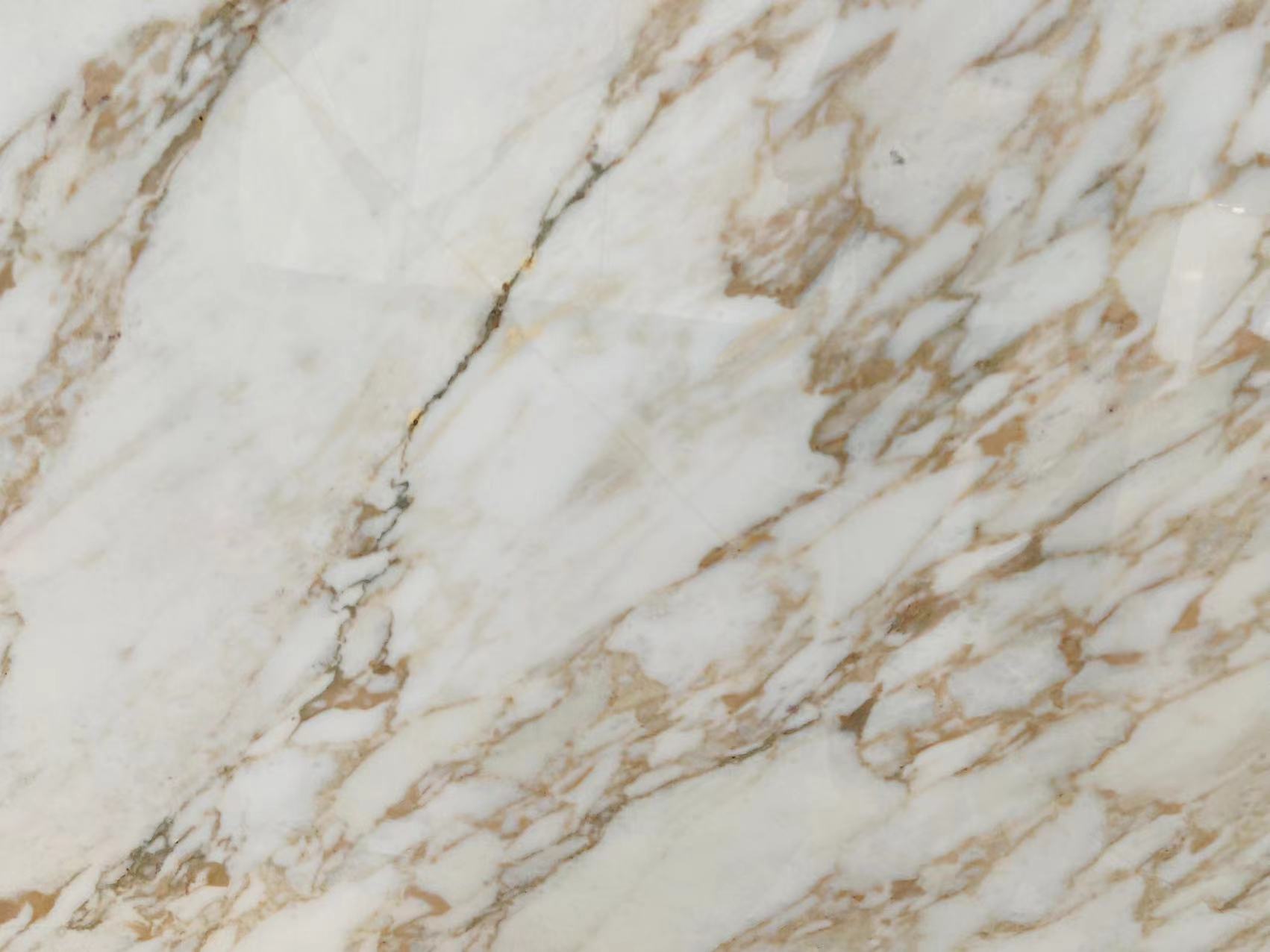
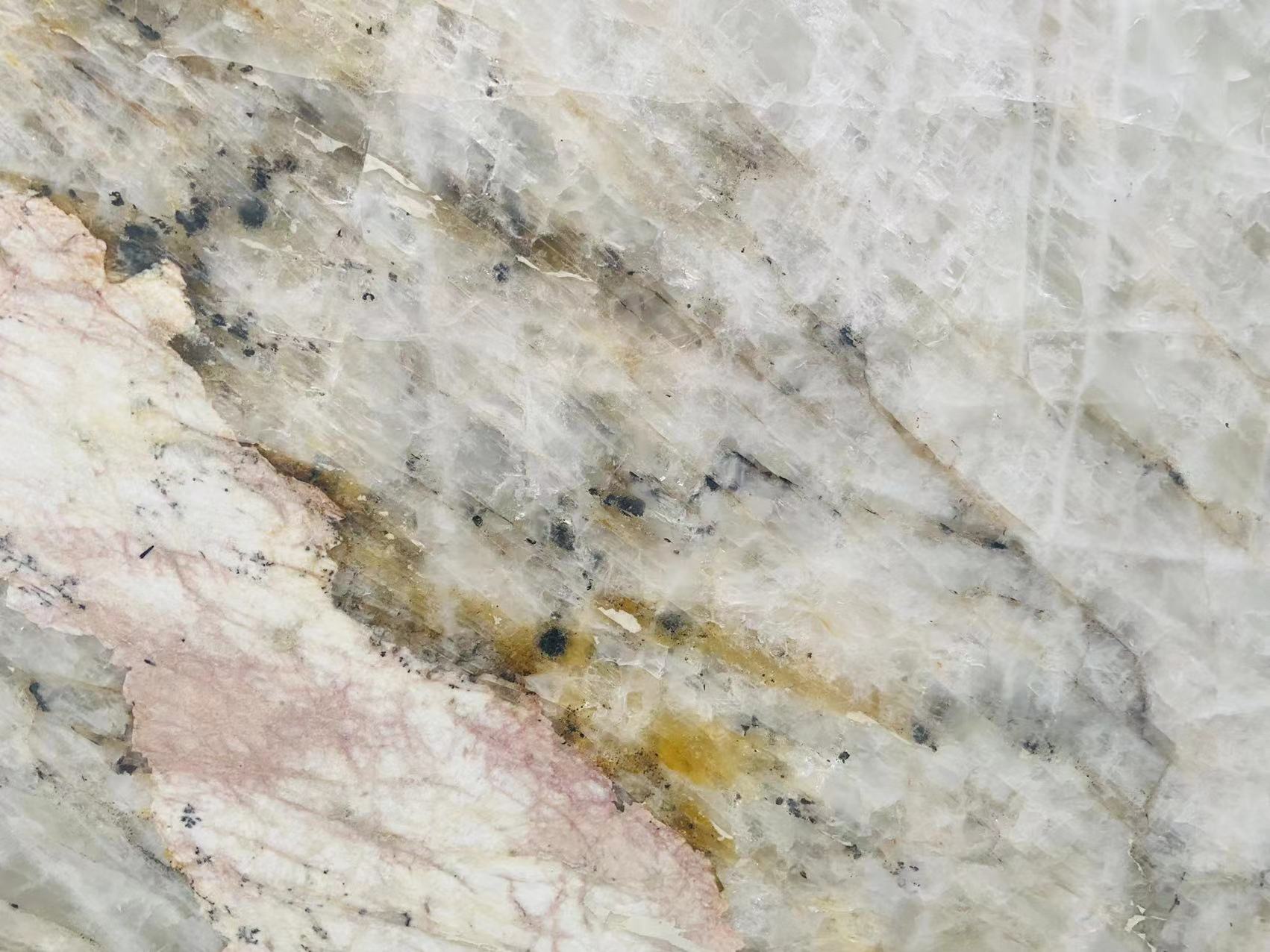
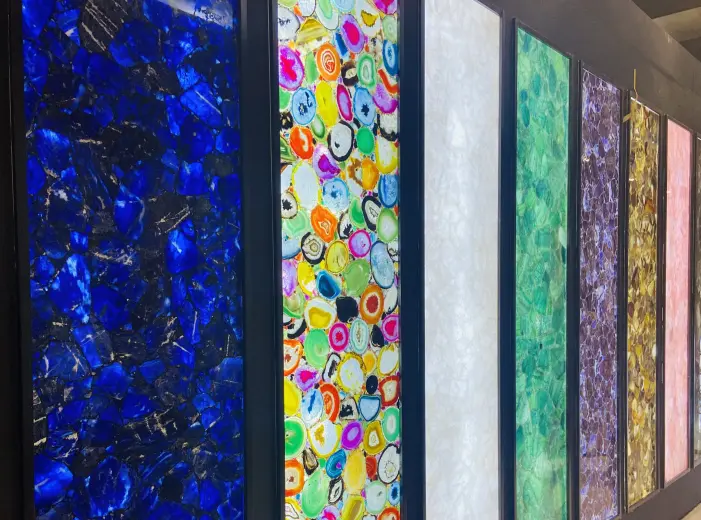
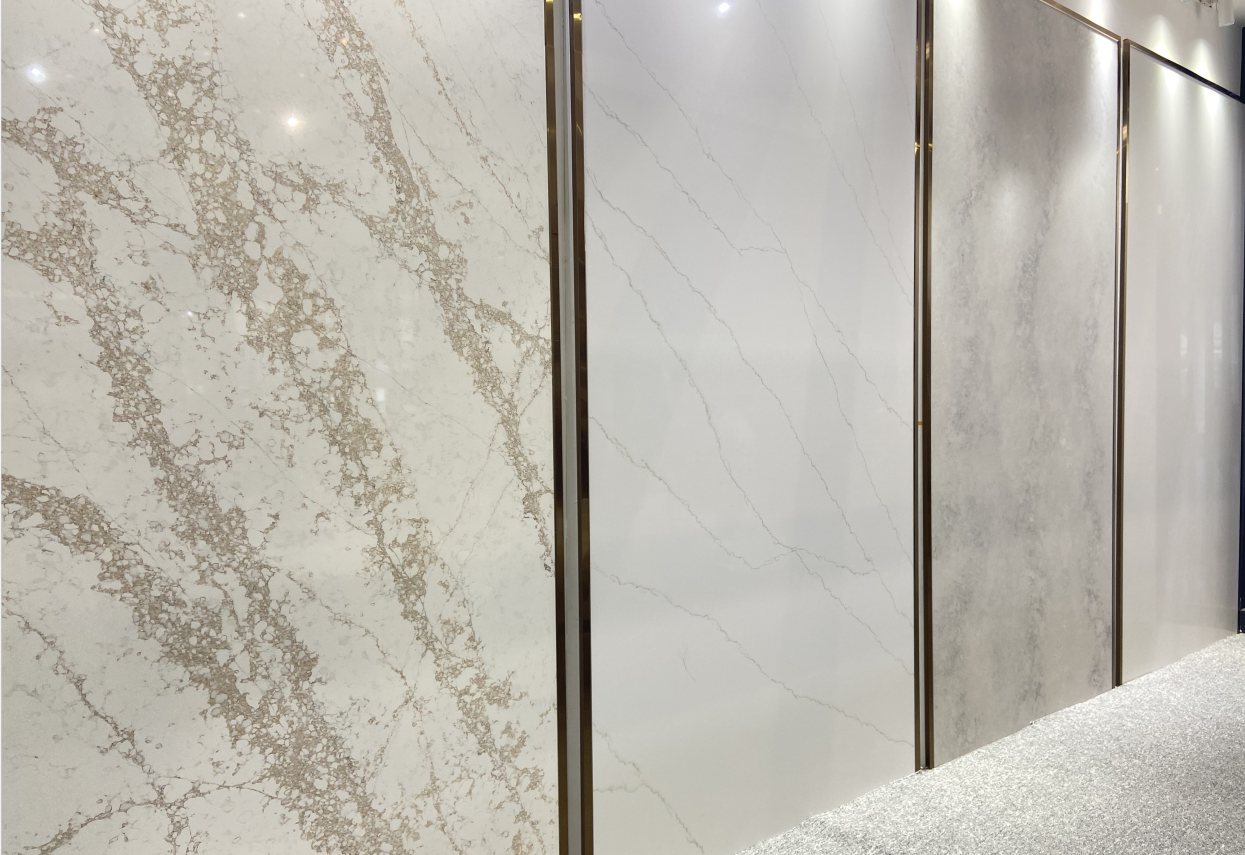
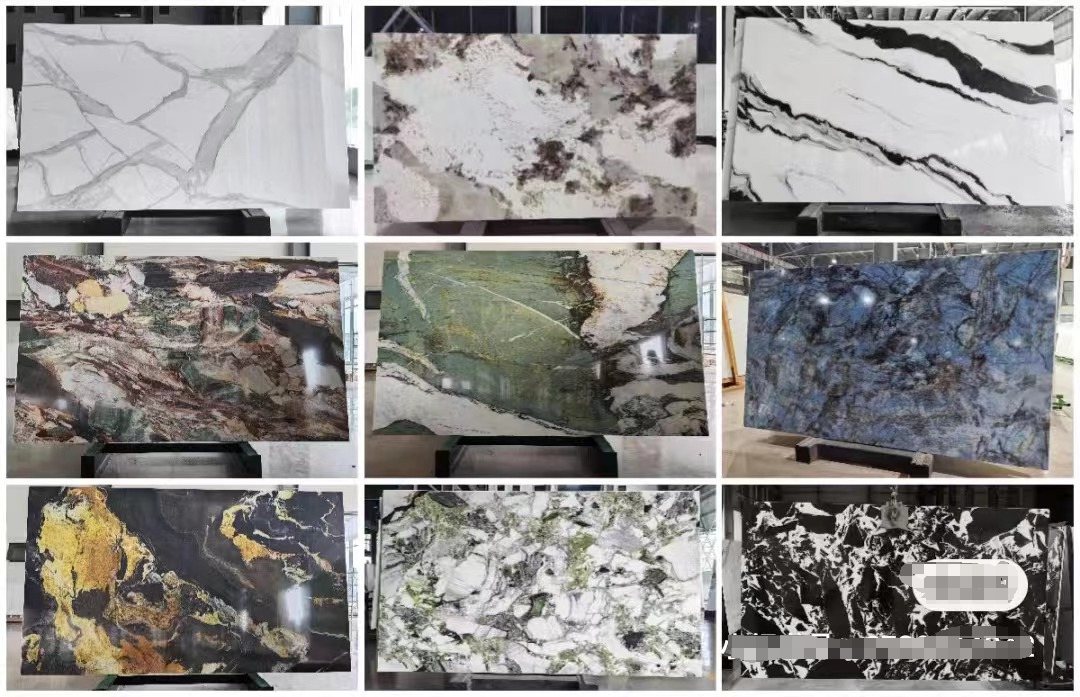
The first and most obvious factor contributing to the expense of marble stairs is the cost of the marble itself. Marble is a natural stone, and its price varies significantly depending on the type, quality, and origin. High-end varieties such as Carrara, Calacatta, or Statuario marble are particularly prized for their distinctive veining and luxurious appearance. These premium types can cost anywhere from 40to200 per square foot, and sometimes even more for rare or exotic slabs.
In contrast, more common types of marble, such as Crema Marfil or Emperador, are relatively more affordable, ranging from 30to60 per square foot. However, even these lower-cost options are still considerably more expensive than other materials like wood, carpet, or tile. The price of marble is influenced by factors such as its rarity, the complexity of extraction, and the level of processing required to achieve a polished finish. For a staircase, the total cost of the marble slabs can quickly add up, especially if the design includes intricate details or a large number of steps.
Installation Costs: A Labor-Intensive Process
Another significant expense associated with marble stairs is the installation process. Unlike materials such as wood or carpet, which can be relatively straightforward to install, marble requires a high level of skill and precision. The installation of marble stairs is a labor-intensive task that often involves cutting, shaping, and fitting each piece to ensure a seamless and safe finish.
The complexity of the staircase design plays a major role in determining the installation cost. For example, a straight staircase with uniform steps will be less expensive to install than a curved or spiral staircase, which requires custom-cut pieces and meticulous alignment. Additionally, the weight of marble necessitates a sturdy underlying structure, which may require reinforcing the existing framework of the staircase. This can involve additional materials and labor, further driving up the overall cost.
Skilled stonemasons or contractors are essential for the proper installation of marble stairs, and their expertise comes at a premium. Depending on the region and the complexity of the project, installation costs can range from 50to100 per square foot or more. This means that the total cost of marble stairs, including both materials and installation, can easily exceed 100to300 per square foot.
Durability and Maintenance: Long-Term Considerations
While marble is undoubtedly a durable material, it is not without its vulnerabilities. One of the key considerations when choosing marble for stairs is its susceptibility to wear and tear, particularly in high-traffic areas. The treads of marble stairs, which bear the brunt of foot traffic, are prone to scratching, staining, and etching over time. This is especially true if the marble is not properly sealed or maintained.
To preserve the beauty and integrity of marble stairs, regular maintenance is essential. This includes sealing the marble to protect it from stains, cleaning it with pH-neutral products to prevent etching, and periodically polishing it to restore its shine. These maintenance tasks can add to the long-term cost of owning marble stairs, both in terms of time and money.
In comparison, materials like wood or carpet may require less intensive maintenance. Wood stairs, for example, can be refinished or repainted to address wear and tear, while carpeted stairs can be vacuumed or replaced as needed. Tile stairs, though more durable than carpet, are also easier to maintain than marble. However, none of these materials can match the unique aesthetic appeal of marble, which is a key factor for many homeowners and designers.
Aesthetic Appeal: The Timeless Beauty of Marble
One of the primary reasons why marble is chosen for stairs, despite its high cost, is its unparalleled aesthetic appeal. Marble has a natural elegance and sophistication that can elevate the design of any space. Its unique veining patterns and color variations create a sense of depth and character, making each staircase a one-of-a-kind feature.
In luxury homes, hotels, and commercial spaces, marble stairs are often used as a statement piece to convey opulence and refinement. The reflective surface of polished marble can enhance the sense of light and space in an area, while its cool, smooth texture adds a tactile element of luxury. For many, the visual and sensory experience of marble stairs justifies the higher cost, as it contributes to the overall ambiance and value of the property.
Comparing Marble to Alternative Materials
To fully understand whether marble is expensive for stairs, it is helpful to compare it to other commonly used materials. Wood, for example, is a popular choice for stairs due to its affordability and versatility. The cost of wooden stairs typically ranges from 10to30 per square foot, depending on the type of wood and finish. While wood lacks the luxurious appearance of marble, it offers warmth and a classic aesthetic that can suit a variety of design styles.
Carpeted stairs are another economical option, with costs ranging from 5to15 per square foot. Carpet provides a soft, comfortable surface underfoot and can help reduce noise. However, it is less durable than marble and may require frequent cleaning or replacement.
Tile stairs, which are more durable than carpet but less expensive than marble, typically cost between 15and50 per square foot. Tile offers a wide range of design options, including patterns and colors, but it cannot replicate the natural beauty and elegance of marble.
While these alternatives are more budget-friendly, they do not offer the same level of prestige or visual impact as marble. For those who prioritize aesthetics and are willing to invest in a high-end material, marble remains a top choice.
Is Marble Worth the Investment?
The decision to use marble for stairs ultimately depends on individual preferences, budget, and the specific requirements of the project. For those who value luxury, durability, and timeless beauty, marble can be a worthwhile investment. Its ability to transform a space and create a lasting impression is unmatched by other materials.
However, it is important to weigh the costs and benefits carefully. The high upfront cost of marble, combined with the need for skilled installation and ongoing maintenance, may not be feasible for everyone. For those on a tighter budget, alternative materials like wood or tile may offer a more practical solution without compromising on style.
In conclusion, while marble is undoubtedly expensive for stairs, its unique combination of elegance, durability, and prestige makes it a compelling choice for those who can afford it. Whether marble is worth the investment depends on your priorities and the value you place on creating a stunning, high-end feature in your home or space.
By considering all these factors, you can make an informed decision about whether marble stairs are the right choice for your project.
Latest News
-
 Vanity Tops are Bathroom Worktops (WC’s, Toilets, Bathrooms, Ensuites)
Vanity Tops: The Perfect Bathroom Worktops for WC’s, Toilets, and Ensui...
-
 Kitchen Splashbacks and Upstands For Wall Protection
Kitchen Splashbacks and Upstands: Wall Protection Kitchen splashbacks and ups...
-
 The Five Quartzite Designs
The Five Quartzite Designs Quartzite is a stunning natural stone that combine...
-
 Stunning Works: Marble Slab Wall
Stunning Works: Marble Slab Walls Marble slab walls are the epitome of luxury...
-
 Red Marble: Color And Design Combined
Red Marble: Color And Design Combined Red marble is more than just a materia...
-
 Travertine Countertops
Travertine Countertops Travertine is a natural stone known for its earthy ton...
-
 Marble Kitchen Island: Best Ideas & Inspirations
Marble Kitchen Island: Best Ideas & Inspirations A marble kitchen island ...
-
 The Pros and Cons of Natural Stone Floor Tiles
The Pros and Cons of Natural Stone Floor Tiles Natural stone floor tiles have...
-
 5 Key Factors How to Tell If Good Quality Marble
5 Key Factors How to Tell If Good Quality Marble Marble has long been a sym...
-
 5 Most Beautiful Green Stone Countertops For 2025
Introduction: Why You Should Go Green Stone with Countertops? In 2025, green ...