
- Natural Stone
- Artificial Stone






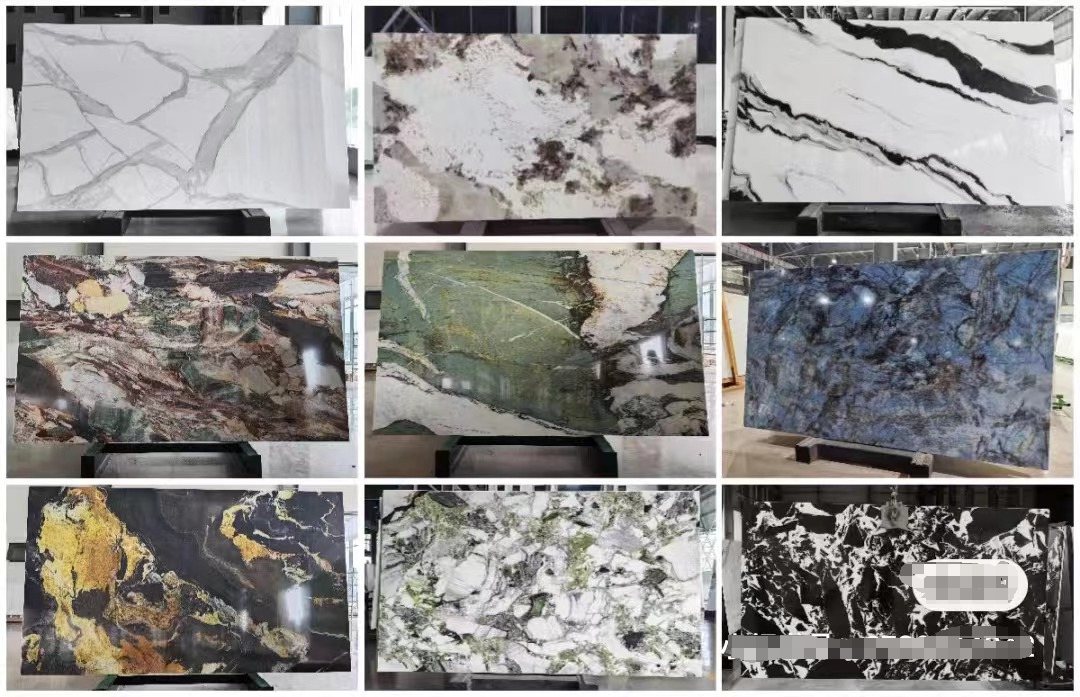
How to Clean and Maintain Natural Stone: A Comprehensive Guide
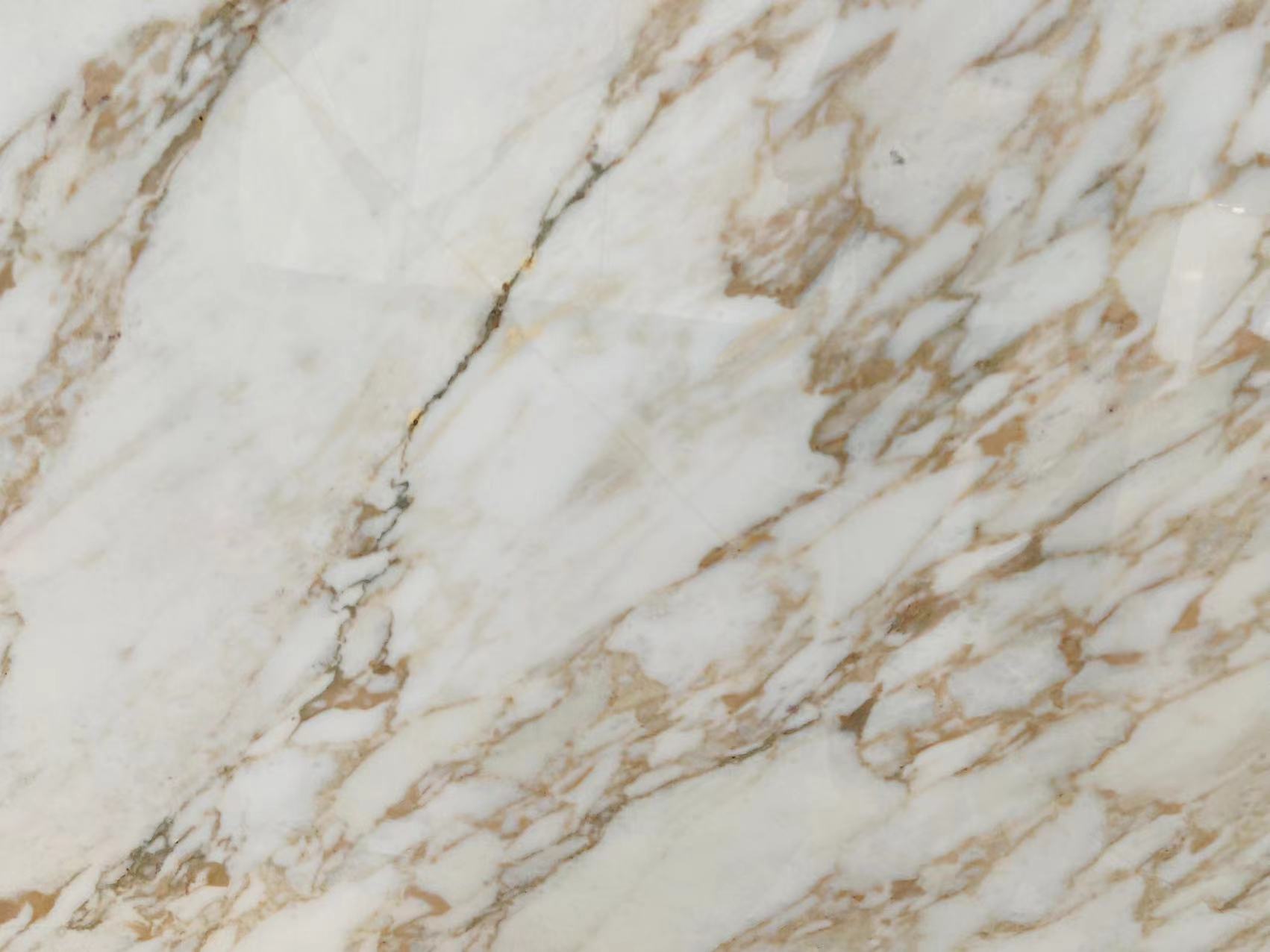
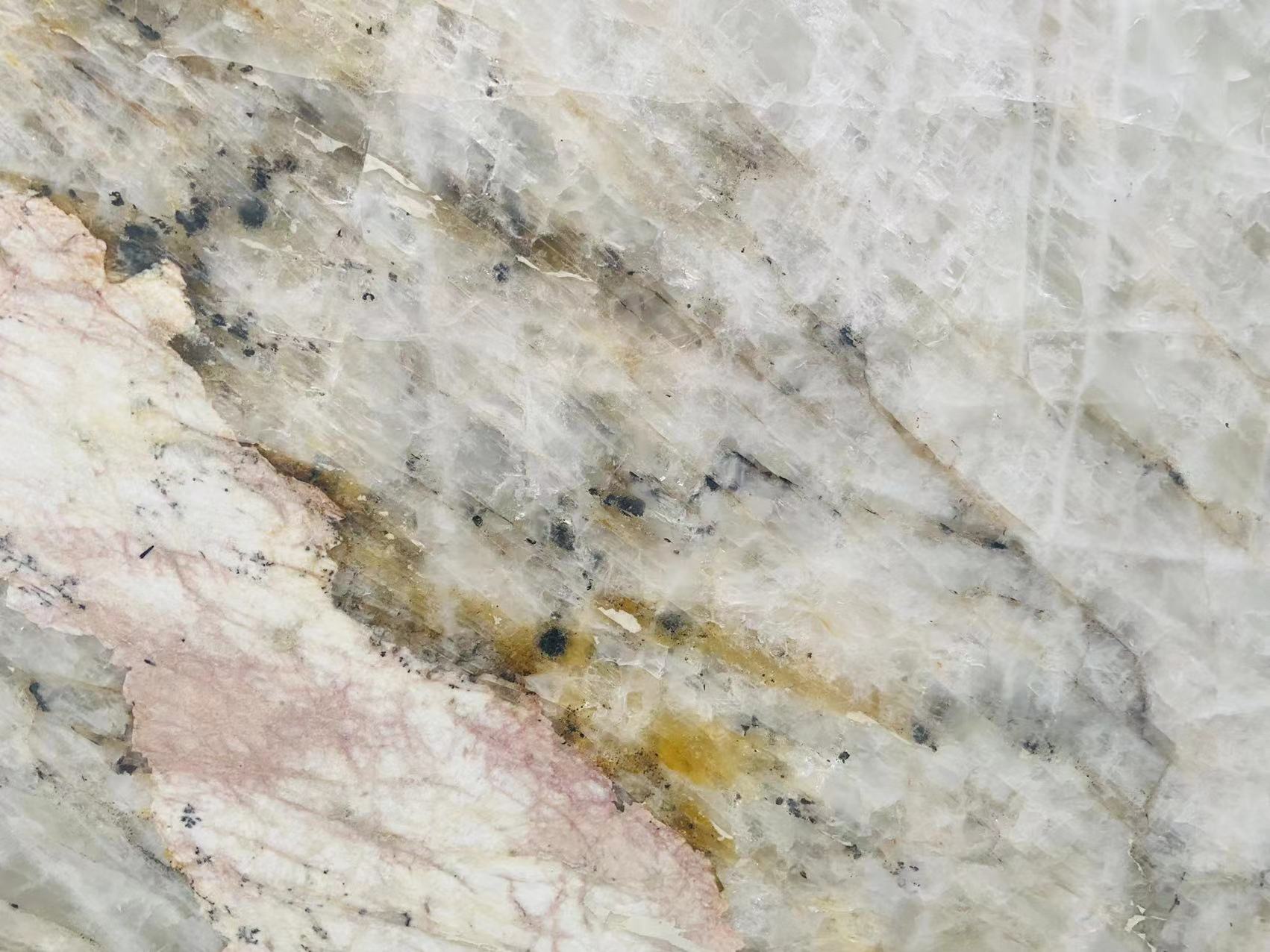
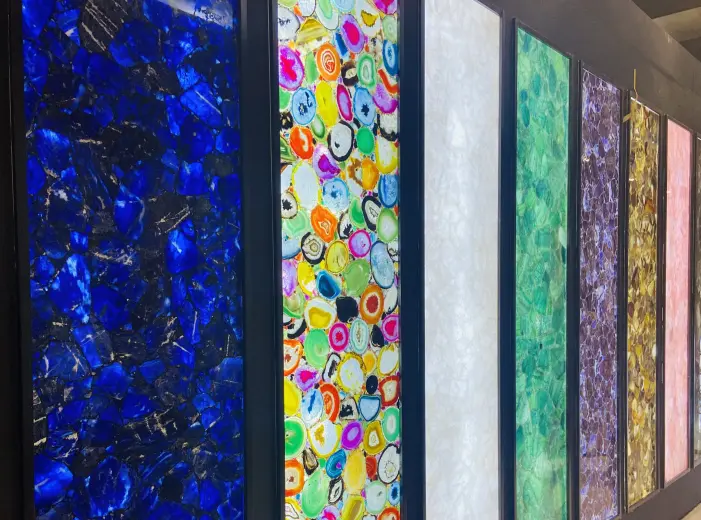
Natural stone, with its unique beauty and timeless appeal, is a popular choice for countertops, floors, walls, and other surfaces in both residential and commercial spaces. From the vibrant hues of quartzite to the classic elegance of marble and the translucent allure of onyx, each type of natural stone brings its own character to a design. However, natural stone also requires proper care and maintenance to preserve its beauty and longevity. This guide provides detailed instructions on how to clean and maintain your natural stone, prevent stains, etching, and scratching, and ensure it remains a stunning feature in your home for years to come.
Understanding Natural Stone
Natural stone is formed over millions of years through geological processes, resulting in a wide variety of types, each with its own unique characteristics. The composition, porosity, and hardness of each stone vary, which means that care requirements differ depending on the type of stone you have. For example:
- Marble: Known for its elegance but prone to etching and scratching due to its softer composition.
- Quartzite: Extremely durable and resistant to scratching and etching.
- Onyx: Translucent and stunning but softer and more delicate than other stones.
- Granite: Dense and durable, making it resistant to stains and scratches.
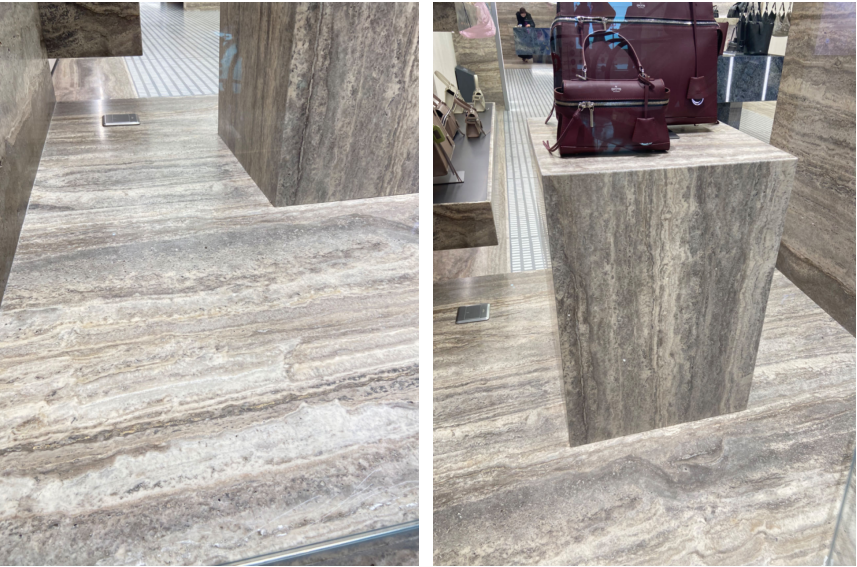
- Limestone and Travertine: Softer stones that require more care to prevent damage.
Understanding the specific properties of your stone is the first step in ensuring proper care and maintenance.
The Importance of Sealing Natural Stone
Sealing is one of the most effective ways to protect your natural stone from stains and damage. While some stones are naturally more porous than others, applying a high-quality sealer can help create a protective barrier.
Why Seal Your Stone?
- Prevents Staining: Sealers fill the pores of the stone, reducing the likelihood of liquids penetrating the surface.
- Enhances Durability: A sealed stone is better equipped to withstand daily wear and tear.
- Maintains Appearance: Regular sealing helps preserve the stone’s natural beauty and luster.
How Often Should You Seal?
The frequency of sealing depends on the type of stone, the sealer used, and the level of use. For example:
- High-Traffic Areas: May require sealing every 6–12 months.
- Low-Traffic Areas: May only need sealing every 2–3 years.
Always follow the manufacturer’s recommendations for the specific sealer you are using.
How to Clean Natural Stone
Proper cleaning is essential to maintain the appearance and integrity of your natural stone. Here are some general guidelines for cleaning different types of stone:
Daily Cleaning:
- Use Warm Water and Mild Detergent: For routine cleaning, use warm water with a few drops of mild dish soap or a pH-neutral stone cleaner.
- Avoid Harsh Chemicals: Never use acidic cleaners (e.g., vinegar, lemon juice) or abrasive products (e.g., scouring powders) on natural stone, as they can cause etching or scratching.
- Blot Spills Immediately: Quickly blot spills with a soft, clean cloth to prevent liquids from seeping into the stone.
Deep Cleaning:
- Test Cleaners First: Before using any new cleaner, test it on a small, inconspicuous area to ensure it doesn’t cause damage.
- Rinse Thoroughly: After cleaning, rinse the surface with clean water to remove any soap residue.
- Dry the Surface: Use a soft cloth to dry the stone and prevent water spots.
Preventing Stains on Natural Stone
Stains are one of the most common issues with natural stone, especially in porous varieties like marble and limestone. Here’s how to prevent and address stains:
Steps to Prevent Stains:
- Seal Your Stone: As mentioned earlier, sealing is the first line of defense against stains.
- Act Quickly: The longer a spill sits on the stone, the more likely it is to stain. Blot spills immediately with a clean, dry cloth.
- Use Coasters and Trivets: Place coasters under glasses and trivets under hot dishes to protect the stone from spills and heat damage.
Steps to Remove Stains:
- Remove Loose Debris: Gently scrape away any solid debris from the spill.
- Blot the Spill: Use a soft cloth to blot the spill, avoiding wiping, which can spread the stain.
- Clean the Area: Flush the area with warm water and mild soap, then rinse thoroughly.
- Dry the Surface: Dry the area with a soft cloth to prevent water spots.
- Call a Professional: For stubborn stains, consult a stone care professional or restoration specialist.
Preventing Etching and Scratching
Etching and scratching are common concerns, especially for softer stones like marble and onyx. Here’s how to protect your stone from these issues:
What Causes Etching?
Etching occurs when acidic substances (e.g., citrus juice, wine, vinegar) come into contact with the stone, causing a chemical reaction that dulls the surface.
What Causes Scratching?
Scratching can occur when abrasive materials or objects are dragged across the stone’s surface.
Steps to Prevent Etching and Scratching:
- Clean Spills Immediately: Quickly clean up acidic spills to prevent etching.
- Use Cutting Boards: Avoid cutting directly on stone surfaces to prevent scratches.
- Use Placemats and Trivets: Protect the stone from scratches caused by dishes, pots, and pans.
- Avoid Abrasive Cleaners: Use only pH-neutral cleaners and soft cloths to clean the stone.
Choosing the Right Cleaning Products
Using the right cleaning products is crucial to maintaining your natural stone. Here’s what to look for:
- pH-Neutral Cleaners: These are safe for all types of natural stone and won’t cause etching or damage.
- Stone-Specific Cleaners: Many brands offer cleaners specifically designed for natural stone.
- Avoid Acidic Cleaners: Never use products containing lemon, vinegar, or other acids on marble, onyx, travertine, or limestone.
- Avoid Abrasive Products: Scouring powders and creams can scratch the surface of your stone.
Additional Tips for Maintaining Natural Stone
- Regular Inspections: Periodically inspect your stone for signs of wear, stains, or damage.
- Reapply Sealant: Follow a regular sealing schedule to maintain the stone’s protective barrier.
- Professional Maintenance: For deep cleaning, polishing, or restoration, hire a professional stone care specialist.
- Avoid Harsh Chemicals: Never mix cleaning chemicals unless instructed by the product manufacturer.
Common Mistakes to Avoid
- Using Vinegar or Lemon Juice: These acidic substances can etch the surface of your stone.
- Neglecting to Seal: Failing to seal your stone regularly can lead to stains and damage.
- Using Abrasive Tools: Steel wool or harsh scrubbers can scratch the stone’s surface.
- Ignoring Spills: Allowing spills to sit on the stone increases the risk of staining and etching.
Conclusion
Natural stone is a beautiful and durable material that can enhance the aesthetic of any space. However, it requires proper care and maintenance to preserve its beauty and functionality. By understanding the unique properties of your stone, sealing it regularly, cleaning it with the right products, and taking steps to prevent stains, etching, and scratching, you can ensure that your natural stone remains a stunning feature in your home for years to come. Whether you have marble countertops, quartzite floors, or an onyx feature wall, following these guidelines will help you maintain the natural elegance of your stone and protect your investment.
Latest News
-
 Vanity Tops are Bathroom Worktops (WC’s, Toilets, Bathrooms, Ensuites)
Vanity Tops: The Perfect Bathroom Worktops for WC’s, Toilets, and Ensui...
-
 Kitchen Splashbacks and Upstands For Wall Protection
Kitchen Splashbacks and Upstands: Wall Protection Kitchen splashbacks and ups...
-
 The Five Quartzite Designs
The Five Quartzite Designs Quartzite is a stunning natural stone that combine...
-
 Stunning Works: Marble Slab Wall
Stunning Works: Marble Slab Walls Marble slab walls are the epitome of luxury...
-
 Red Marble: Color And Design Combined
Red Marble: Color And Design Combined Red marble is more than just a materia...
-
 Travertine Countertops
Travertine Countertops Travertine is a natural stone known for its earthy ton...
-
 Marble Kitchen Island: Best Ideas & Inspirations
Marble Kitchen Island: Best Ideas & Inspirations A marble kitchen island ...
-
 The Pros and Cons of Natural Stone Floor Tiles
The Pros and Cons of Natural Stone Floor Tiles Natural stone floor tiles have...
-
 5 Key Factors How to Tell If Good Quality Marble
5 Key Factors How to Tell If Good Quality Marble Marble has long been a sym...
-
 5 Most Beautiful Green Stone Countertops For 2025
Introduction: Why You Should Go Green Stone with Countertops? In 2025, green ...