
- Natural Stone
- Artificial Stone




How About Hermes Gray Marble Stairs To be Your House Decor?
When it comes to designing a luxurious and elegant living space, the choice of materials and lighting plays a pivotal role in creating a harmonious and visually stunning environment.
One such material that exudes sophistication and timeless beauty is Hermes Gray marble. This exquisite stone, known for its subtle gray tones and delicate veining, can transform ordinary staircases into breathtaking architectural masterpieces. When paired with the right lighting and design elements, such as a double staircase and a long chandelier, Hermes Gray marble stairs can become the centerpiece of a hollow living room, radiating opulence and refinement.
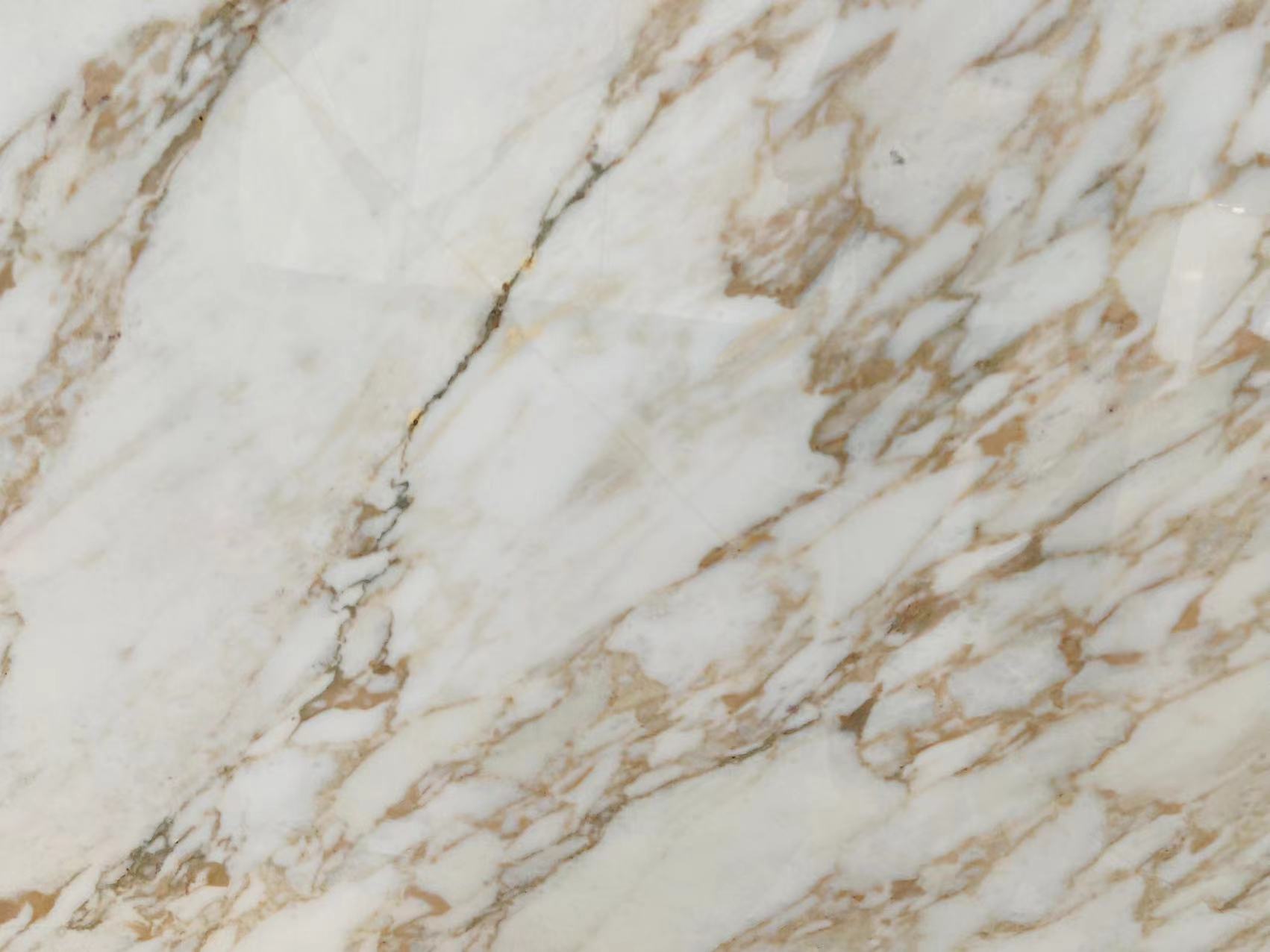
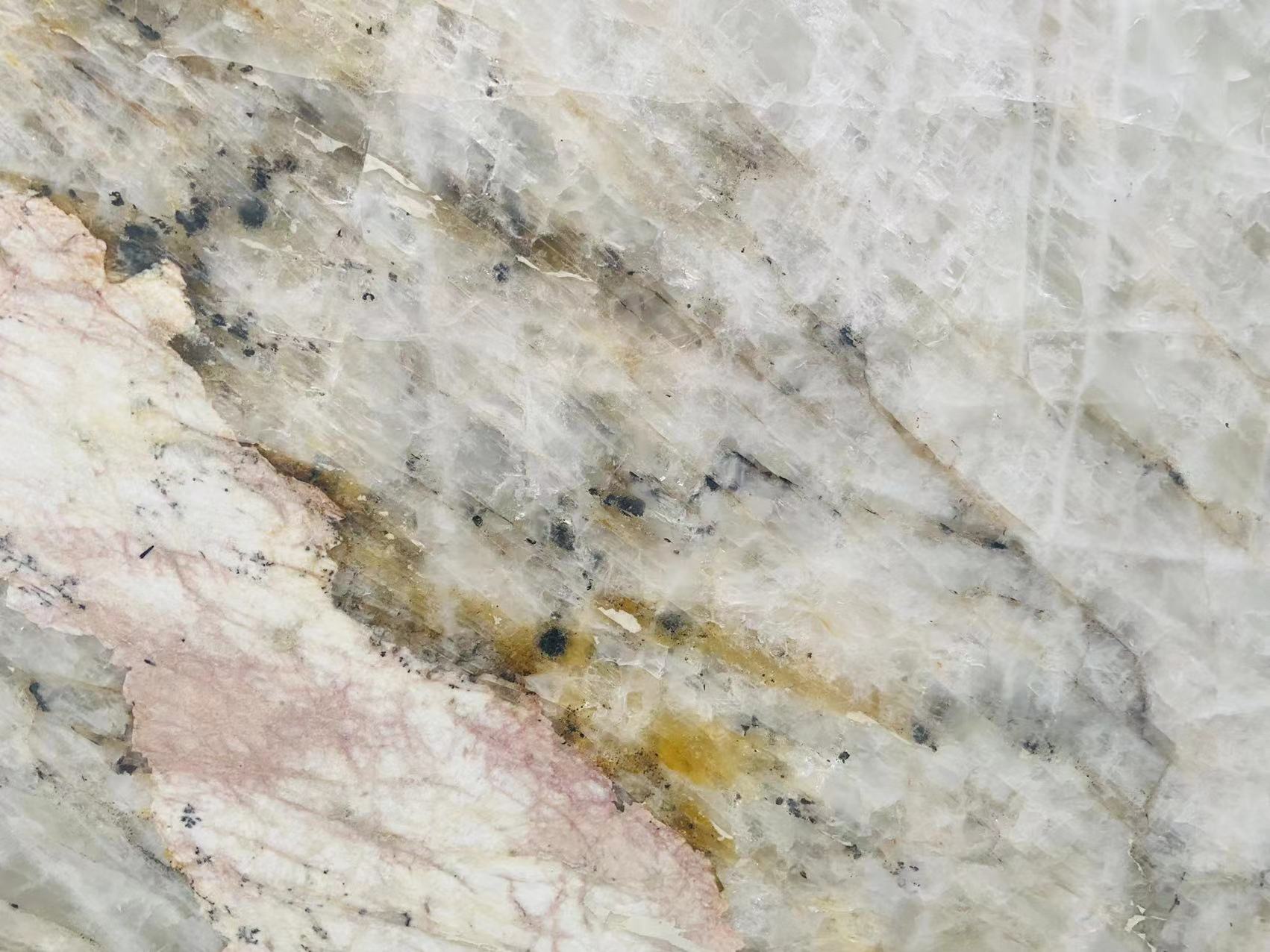
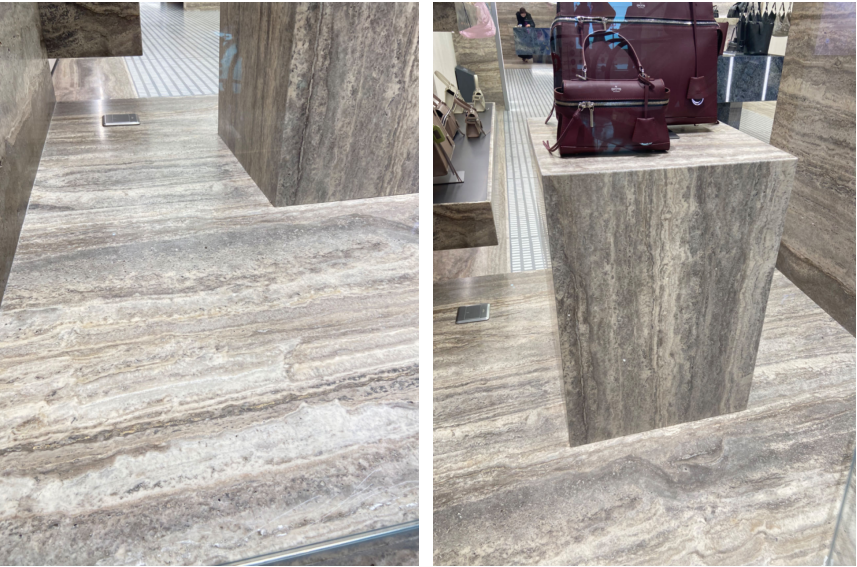
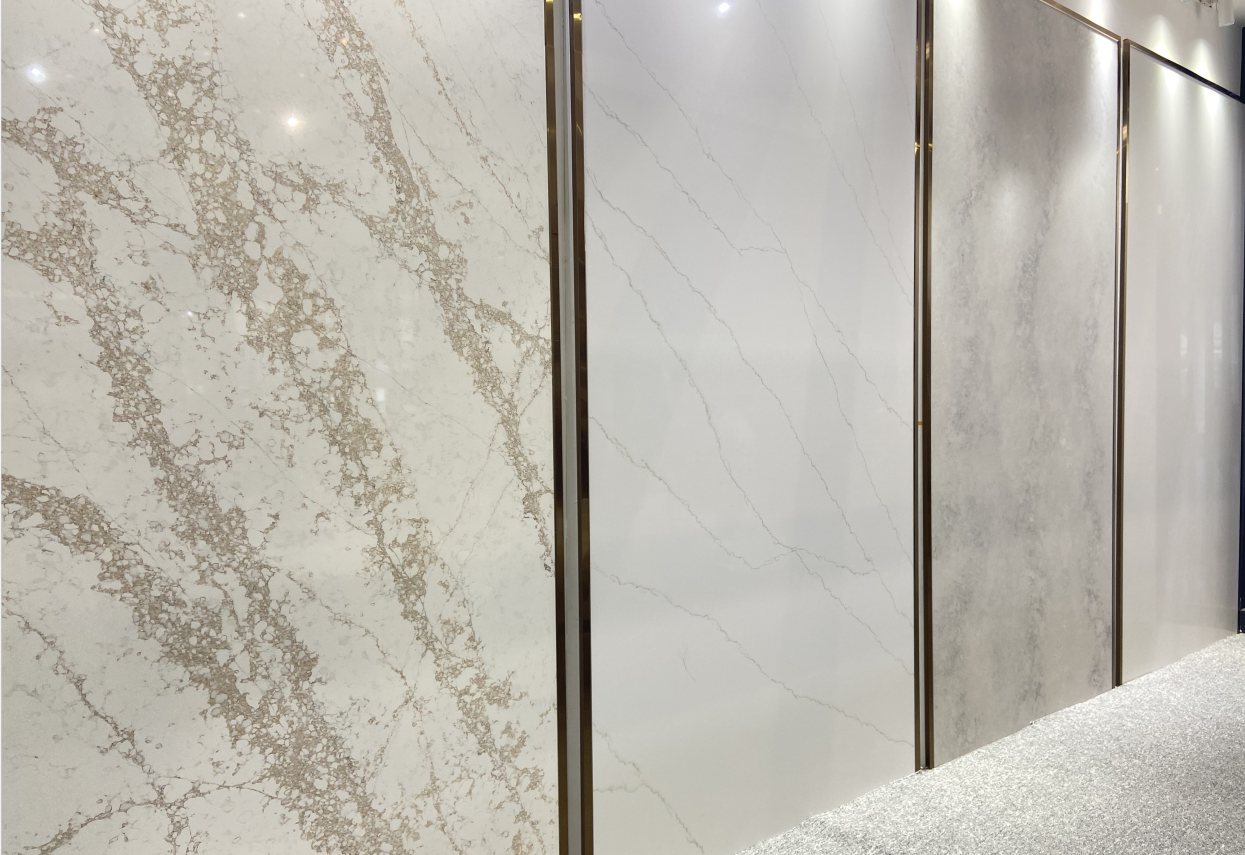
Hermes Gray marble is a natural stone that boasts a unique blend of gray hues, ranging from soft, almost silvery tones to deeper, charcoal-like shades. Its veining, often in white or lighter gray, adds a dynamic texture that enhances its visual appeal.
When used for stairs, this marble creates a sense of continuity and flow, especially in open-concept living spaces. The smooth, polished surface of the marble reflects light, adding a luminous quality to the stairs and the surrounding area. This reflective property makes Hermes Gray marble an excellent choice for staircases, as it can amplify the impact of lighting fixtures, such as chandeliers or recessed lights.
The design of a double staircase with Hermes Gray marble is particularly striking.
A double staircase, often referred to as a “split staircase,” features two sets of stairs that branch off from a central landing, creating a symmetrical and grand entrance. This design not only adds a sense of drama and grandeur to the space but also enhances functionality by providing multiple access points. When crafted from Hermes Gray marble, the double staircase becomes a statement piece, showcasing the stone’s natural beauty and elegance. The clean lines and smooth surfaces of the marble stairs complement the architectural symmetry of the double staircase, creating a cohesive and balanced design.
To further elevate the aesthetic appeal of Hermes Gray marble stairs, lighting plays a crucial role.
A long chandelier suspended above the staircase can serve as a focal point, drawing the eye upward and emphasizing the height and openness of the hollow living room. The chandelier’s design should complement the marble’s understated elegance, with crystal or glass elements that reflect light and enhance the marble’s natural luster. The interplay between the chandelier’s light and the marble’s reflective surface creates a mesmerizing effect, casting soft, shimmering patterns on the walls and floors.
In a hollow living room, where the space is often characterized by high ceilings and an open layout, the combination of Hermes Gray marble stairs and a long chandelier can create a sense of verticality and expansiveness.
The hollow design allows for unobstructed views of the staircase and chandelier, making them the focal points of the room. The marble stairs, with their sleek and polished appearance, guide the eye upward toward the chandelier, creating a seamless visual connection between the floor and ceiling. This design approach not only enhances the room’s aesthetic appeal but also creates a sense of flow and continuity.
The choice of additional design elements, such as railings and balustrades, can further enhance the overall look of the Hermes Gray marble stairs.
For a modern and minimalist aesthetic, glass railings with stainless steel or brushed metal frames can be used. The transparency of the glass allows the marble’s beauty to take center stage, while the metal frames add a touch of contemporary sophistication. Alternatively, for a more traditional or classic look, wrought iron railings with intricate scrollwork can be paired with the marble stairs, adding a sense of timeless elegance.
The flooring surrounding the Hermes Gray marble stairs should also be carefully considered to ensure a cohesive design.
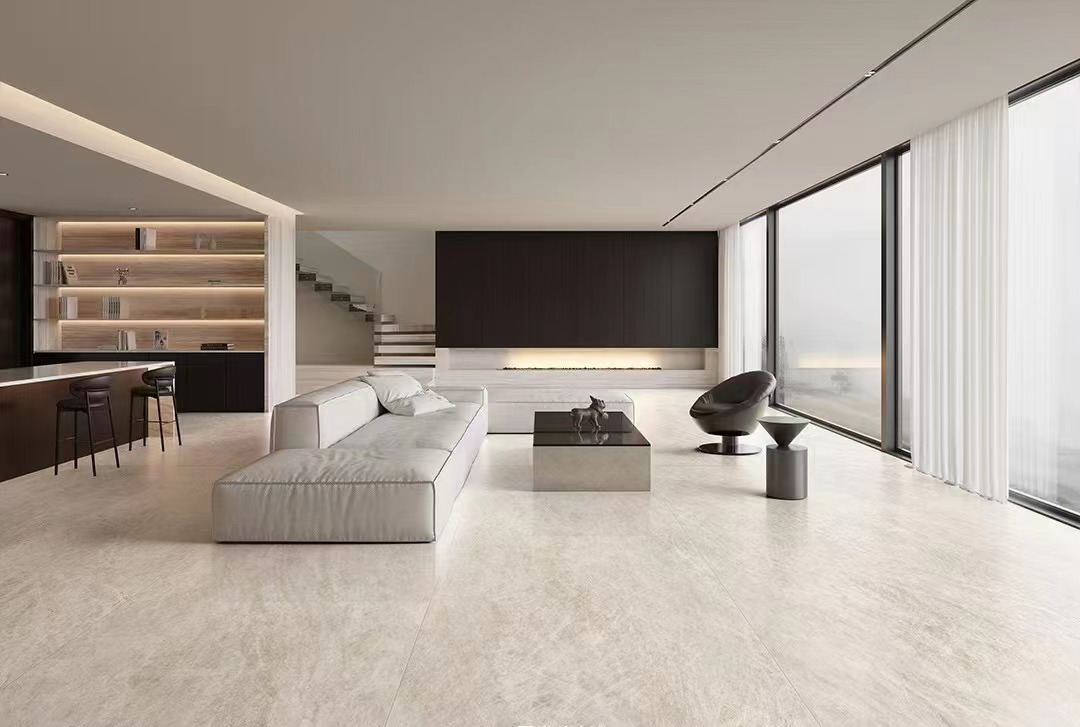
Large-format tiles or slabs of the same marble can be used for the flooring, creating a seamless transition between the stairs and the rest of the living space. This approach not only enhances the visual continuity but also reinforces the luxurious feel of the room. Alternatively, a contrasting material, such as dark hardwood or textured stone, can be used to create a striking juxtaposition that highlights the marble stairs.
In terms of color palette, the subtle gray tones of Hermes Gray marble provide a versatile foundation that can be paired with a wide range of colors.
Soft, neutral tones, such as beige, ivory, or taupe, can create a serene and sophisticated atmosphere, allowing the marble’s natural beauty to shine. For a more dramatic effect, bold colors, such as deep navy, emerald green, or rich burgundy, can be used as accents in the form of furniture, artwork, or decorative accessories. These bold hues can create a striking contrast against the marble’s soft gray tones, adding depth and visual interest to the space.
Textures and materials also play a significant role in enhancing the overall design of a living room with Hermes Gray marble stairs.
Plush area rugs, velvet upholstery, and silk draperies can add a layer of softness and warmth, balancing the marble’s cool and polished surface. Metallic accents, such as gold, brass, or chrome, can be incorporated through lighting fixtures, furniture legs, or decorative objects, adding a touch of glamour and sophistication. Natural materials, such as wood or stone, can be used to introduce an organic element, creating a harmonious blend of textures and finishes.
In conclusion, the use of Hermes Gray marble for stairs, particularly in a double staircase design, can elevate the aesthetic appeal of a hollow living room to new heights.
The marble’s subtle gray tones and delicate veining create a sense of timeless elegance, while its reflective surface enhances the impact of lighting fixtures, such as a long chandelier. The combination of these elements creates a visually stunning and cohesive design that exudes luxury and sophistication. By carefully considering the choice of materials, colors, and textures, it is possible to create a living space that is not only beautiful but also functional and inviting. Hermes Gray marble stairs, paired with the right design elements, can transform a hollow living room into a true masterpiece of interior design.
Latest News
-
 Vanity Tops are Bathroom Worktops (WC’s, Toilets, Bathrooms, Ensuites)
Vanity Tops: The Perfect Bathroom Worktops for WC’s, Toilets, and Ensui...
-
 Kitchen Splashbacks and Upstands For Wall Protection
Kitchen Splashbacks and Upstands: Wall Protection Kitchen splashbacks and ups...
-
 The Five Quartzite Designs
The Five Quartzite Designs Quartzite is a stunning natural stone that combine...
-
 Stunning Works: Marble Slab Wall
Stunning Works: Marble Slab Walls Marble slab walls are the epitome of luxury...
-
 Red Marble: Color And Design Combined
Red Marble: Color And Design Combined Red marble is more than just a materia...
-
 Travertine Countertops
Travertine Countertops Travertine is a natural stone known for its earthy ton...
-
 Marble Kitchen Island: Best Ideas & Inspirations
Marble Kitchen Island: Best Ideas & Inspirations A marble kitchen island ...
-
 The Pros and Cons of Natural Stone Floor Tiles
The Pros and Cons of Natural Stone Floor Tiles Natural stone floor tiles have...
-
 5 Key Factors How to Tell If Good Quality Marble
5 Key Factors How to Tell If Good Quality Marble Marble has long been a sym...
-
 5 Most Beautiful Green Stone Countertops For 2025
Introduction: Why You Should Go Green Stone with Countertops? In 2025, green ...