
- Natural Stone
- Artificial Stone




The Durability of Marble Staircases: Do Marble Stairs Crack Easily?
Marble staircases are often associated with luxury, elegance, and timeless beauty. However, one of the most common concerns about using marble for stairs is its durability, particularly the risk of cracking. This concern stems from the perception that marble, as a natural stone, may be fragile or prone to damage under certain conditions. In this comprehensive analysis, we will explore whether marble stairs crack easily, the factors that contribute to cracking, and how to prevent or mitigate such issues. By understanding the properties of marble and the conditions under which it performs best, you can make an informed decision about whether marble stairs are the right choice for your space.
Understanding the Nature of Marble
To assess whether marble stairs crack easily, it is essential to first understand the nature of marble as a material. Marble is a metamorphic rock formed from limestone under intense heat and pressure. It is composed primarily of calcite or dolomite crystals, which give it a distinctive crystalline structure and a smooth, polished appearance. While marble is known for its hardness and durability, it is not indestructible. Its crystalline structure makes it more susceptible to cracking, chipping, and scratching compared to other natural stones like granite.
The durability of marble depends on several factors, including its type, quality, and the conditions under which it is used. For example, high-quality marble with a dense crystalline structure is less likely to crack than lower-quality marble with visible pores or imperfections. Additionally, the way marble is cut, installed, and maintained can significantly impact its longevity and resistance to cracking.
Factors That Contribute to Cracking in Marble Stairs
While marble is a durable material, it is not immune to cracking, especially when used in high-traffic areas like staircases. Several factors can contribute to the cracking of marble stairs, including:
- Structural Issues:
One of the most common causes of cracking in marble stairs is inadequate structural support. Marble is a heavy material, and if the underlying structure of the staircase is not strong enough to bear its weight, the marble slabs may crack over time. This is particularly true for staircases with long spans or complex designs, such as curved or floating stairs. Proper reinforcement of the staircase framework is essential to prevent structural stress and ensure the longevity of marble stairs. - Improper Installation:
The installation process plays a critical role in the durability of marble stairs. If the marble slabs are not cut, fitted, or secured properly, they may develop cracks due to uneven weight distribution or movement. For example, gaps between the marble and the underlying structure can create weak points that are prone to cracking. Additionally, the use of low-quality adhesives or improper sealing can compromise the integrity of the marble and increase the risk of damage. - Thermal Stress:
Marble is sensitive to temperature changes, which can cause it to expand or contract. In environments with extreme temperature fluctuations, such as outdoor staircases or areas near heating sources, thermal stress can lead to cracking. This is especially true for thin marble slabs, which are more vulnerable to temperature-related damage. - Impact and Heavy Loads:
While marble is a hard material, it is not impact-resistant. Dropping heavy objects or applying excessive pressure on marble stairs can cause cracks or chips. This is particularly relevant for stair treads, which are exposed to constant foot traffic and the weight of people walking on them. - Natural Imperfections:
Some types of marble have natural veins, fissures, or pores that can weaken the stone and make it more prone to cracking. While these imperfections add to the aesthetic appeal of marble, they can also compromise its structural integrity if not properly addressed during installation and maintenance.
Preventing Cracks in Marble Stairs
While marble stairs are not immune to cracking, there are several steps you can take to minimize the risk and ensure their durability:
- Choose High-Quality Marble:
Selecting high-quality marble with a dense crystalline structure and minimal imperfections is the first step in preventing cracks. Work with a reputable supplier who can provide guidance on the best type of marble for your specific application. - Ensure Proper Structural Support:
The underlying structure of the staircase must be strong enough to support the weight of the marble. This may involve reinforcing the framework with steel or other materials to prevent sagging or movement that could lead to cracking. - Hire Skilled Professionals:
The installation of marble stairs should be carried out by experienced stonemasons or contractors who understand the unique properties of marble. Proper cutting, fitting, and securing of the marble slabs are essential to prevent cracks and ensure a long-lasting finish. - Use High-Quality Adhesives and Sealants:
The adhesives and sealants used during installation play a crucial role in the durability of marble stairs. High-quality products can help bond the marble securely to the underlying structure and protect it from moisture and other environmental factors. - Avoid Extreme Temperature Changes:
If possible, avoid installing marble stairs in areas with extreme temperature fluctuations. For outdoor staircases, consider using marble types that are more resistant to weathering, or take steps to protect the stairs from direct sunlight and freezing temperatures. - Regular Maintenance:
Proper maintenance is key to preventing cracks and preserving the beauty of marble stairs. This includes sealing the marble periodically to protect it from stains and moisture, cleaning it with pH-neutral products to prevent etching, and addressing any minor damage before it worsens.
Comparing Marble to Other Materials
When considering the risk of cracking, it is helpful to compare marble to other materials commonly used for stairs, such as wood, tile, and concrete:
- Wood:
Wood is less prone to cracking than marble, but it is susceptible to warping, splintering, and wear over time. While wood stairs are easier to repair, they do not offer the same level of durability or aesthetic appeal as marble. - Tile:
Tile stairs are more durable than marble in terms of resistance to cracking, but they can still chip or break under heavy impact. Tile is also less luxurious and may not provide the same visual impact as marble. - Concrete:
Concrete stairs are highly durable and resistant to cracking, but they lack the elegance and sophistication of marble. Concrete can be polished or coated to mimic the appearance of marble, but it cannot replicate its natural beauty.
While these materials may offer greater resistance to cracking, they do not match the unique combination of durability, elegance, and prestige that marble provides.
Is Marble Worth the Risk?
The decision to use marble for stairs ultimately depends on your priorities and the specific conditions of your space. While marble is not immune to cracking, its risk can be significantly reduced through proper selection, installation, and maintenance. For those who value the timeless beauty and luxurious appeal of marble, the potential for cracking may be a worthwhile trade-off.
However, if durability and low maintenance are your primary concerns, alternative materials like wood, tile, or concrete may be more suitable. It is important to weigh the pros and cons of each material and consider factors such as budget, design preferences, and the intended use of the staircase.
Conclusion
In conclusion, while marble stairs are not inherently prone to cracking, they do require careful consideration and proper care to ensure their longevity. By understanding the factors that contribute to cracking and taking steps to prevent them, you can enjoy the beauty and elegance of marble stairs for years to come. Whether marble is the right choice for your staircase depends on your willingness to invest in its maintenance and your appreciation for its unparalleled aesthetic appeal.
By making an informed decision, you can create a stunning and durable staircase that enhances the beauty and value of your space.
Latest News
-
 Vanity Tops are Bathroom Worktops (WC’s, Toilets, Bathrooms, Ensuites)
Vanity Tops: The Perfect Bathroom Worktops for WC’s, Toilets, and Ensui...
-
 Kitchen Splashbacks and Upstands For Wall Protection
Kitchen Splashbacks and Upstands: Wall Protection Kitchen splashbacks and ups...
-
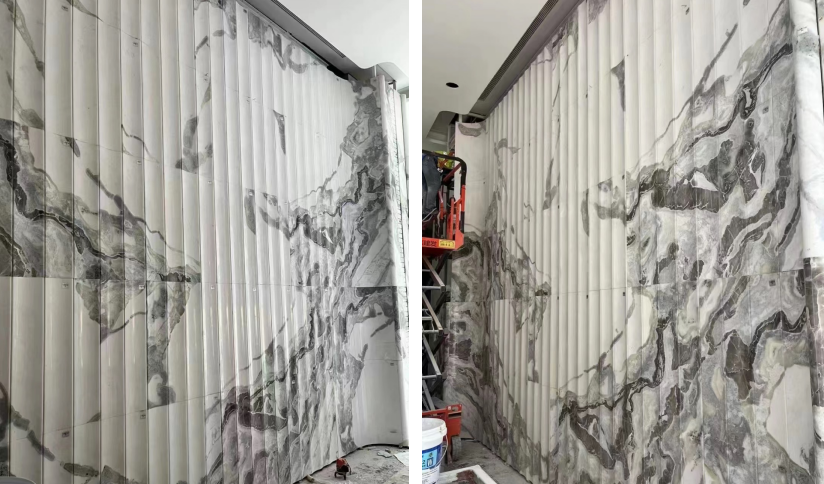 The Five Quartzite Designs
The Five Quartzite Designs Quartzite is a stunning natural stone that combine...
-
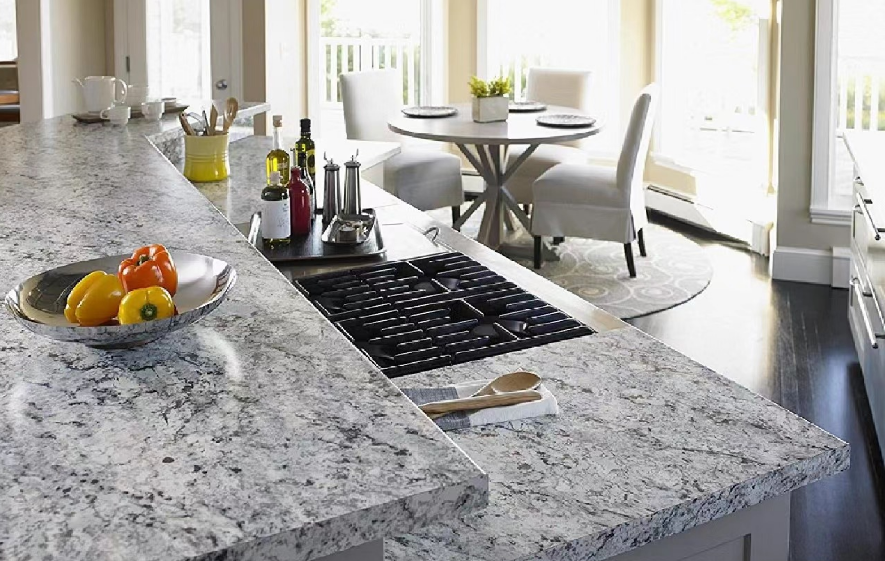 Stunning Works: Marble Slab Wall
Stunning Works: Marble Slab Walls Marble slab walls are the epitome of luxury...
-
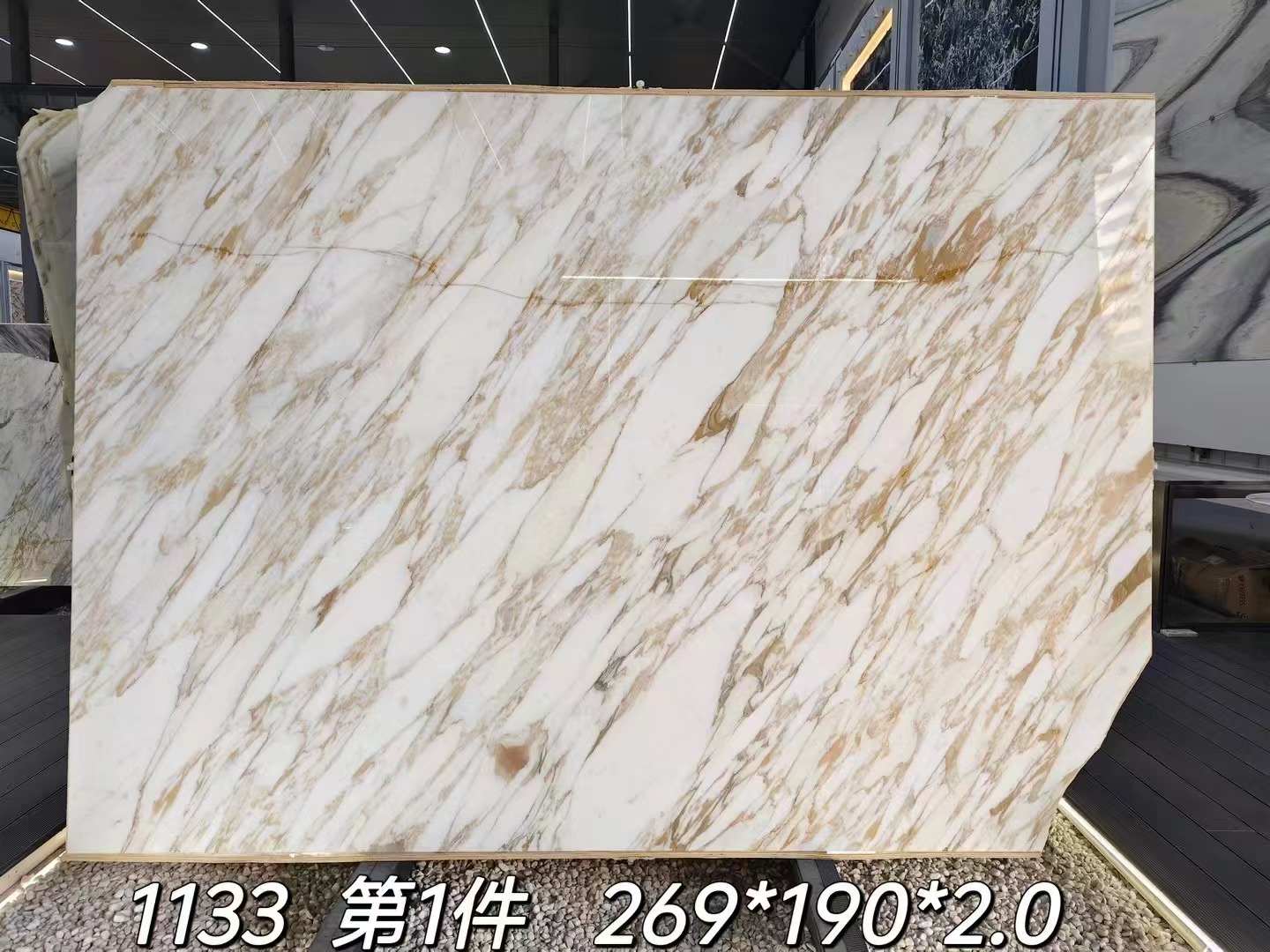 Red Marble: Color And Design Combined
Red Marble: Color And Design Combined Red marble is more than just a materia...
-
 Travertine Countertops
Travertine Countertops Travertine is a natural stone known for its earthy ton...
-
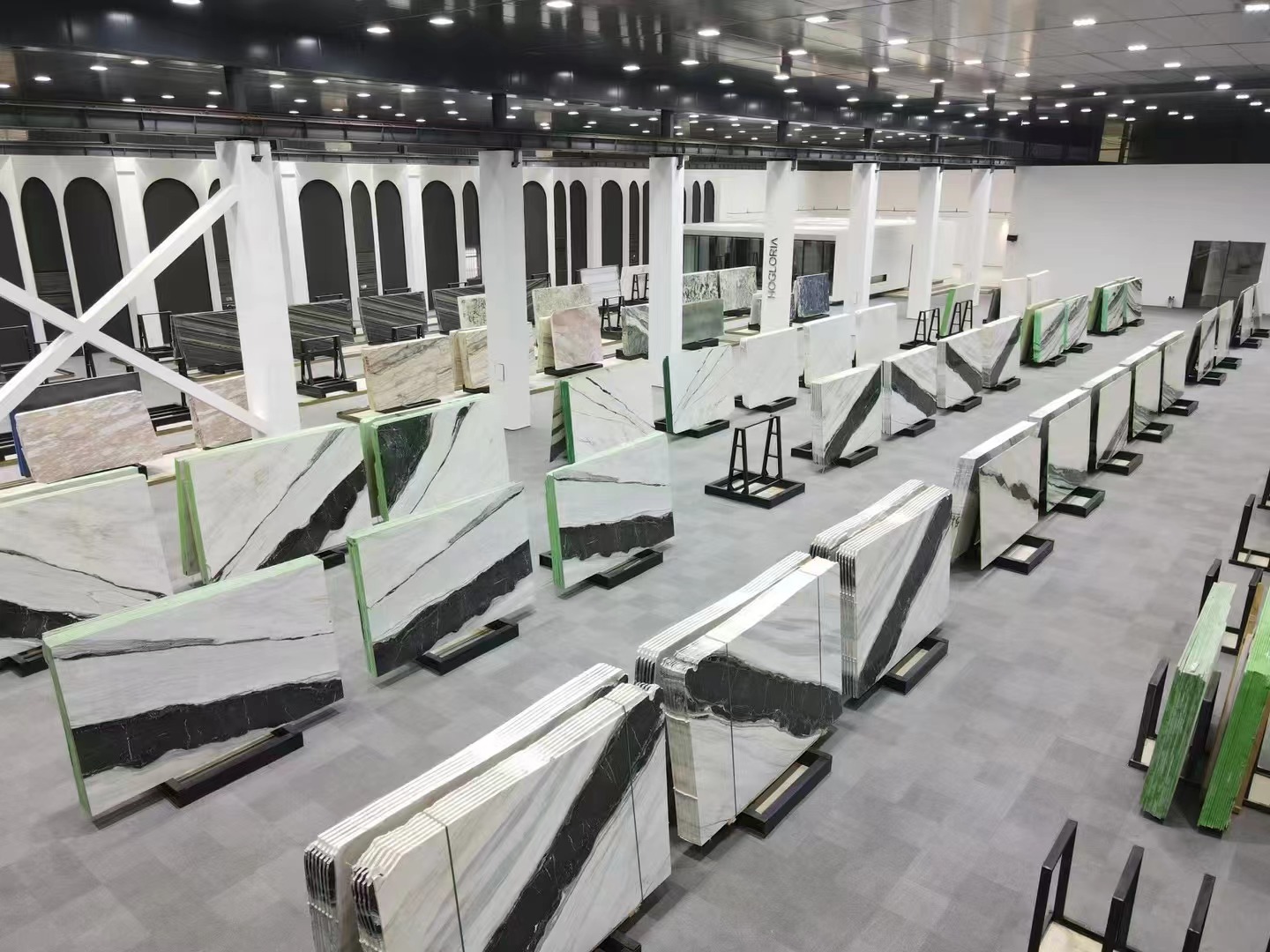 Marble Kitchen Island: Best Ideas & Inspirations
Marble Kitchen Island: Best Ideas & Inspirations A marble kitchen island ...
-
 The Pros and Cons of Natural Stone Floor Tiles
The Pros and Cons of Natural Stone Floor Tiles Natural stone floor tiles have...
-
 5 Key Factors How to Tell If Good Quality Marble
5 Key Factors How to Tell If Good Quality Marble Marble has long been a sym...
-
 5 Most Beautiful Green Stone Countertops For 2025
Introduction: Why You Should Go Green Stone with Countertops? In 2025, green ...