
- Natural Stone
- Artificial Stone






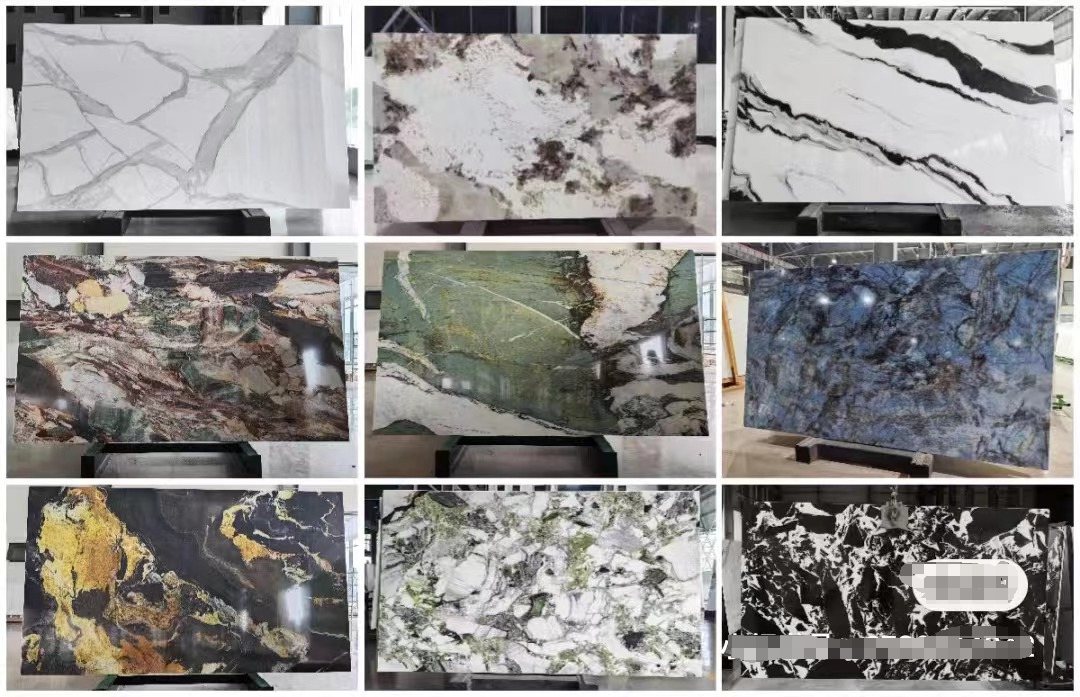
When selecting natural stone countertops, homeowners often focus on the color, pattern, and type of material that best suits their design vision. However, another critical decision to make is the thickness of the stone slab. For decades, the industry standard was ¾” (2 centimeters), but in recent years, 1 ¼” (3 centimeters) slabs have gained popularity. Each thickness has its own advantages and disadvantages, and the choice ultimately depends on factors such as appearance, durability, cost, and personal preference. Let’s explore the pros and cons of ¾” and 1 ¼” natural stone countertops to help you make an informed decision.
Appearance: Does Thickness Matter?
The visual difference between ¾” and 1 ¼” countertops is subtle but noticeable. A 1 ¼” slab is a full third thicker than a ¾” slab, which translates to an additional centimeter of depth. This extra thickness can give the countertop a more substantial, chunky appearance, which many homeowners find appealing for a modern or luxurious look. However, the difference may not be as dramatic as some expect, especially when viewed from a distance.
For those who prefer the look of a thicker countertop but don’t want to invest in a 1 ¼” slab, there are alternatives. A ¾” countertop can be “beefed up” using a laminated edge profile. This technique involves adding a strip of stone to the edge of the countertop, creating the illusion of a thicker slab without the added cost or weight. Ultimately, the choice between ¾” and 1 ¼” countertops comes down to personal taste and the overall aesthetic you want to achieve in your space.
Durability: Is Thicker Always Better?
One of the most common misconceptions about natural stone countertops is that thicker slabs are inherently more durable. While a 1 ¼” slab may offer slightly better resistance to cracking, this is a rare issue for both thicknesses when properly installed. Natural stone, whether granite, quartzite, or marble, is already highly durable and resistant to heat, scratches, and stains. The thickness of the slab has little impact on these properties.
That said, ¾” countertops do require additional support during installation to ensure their longevity. A substrate, typically made of plywood, is placed beneath the countertop to provide extra strength and stability. This step adds to the installation process but ensures that the thinner slab performs just as well as its thicker counterpart. On the other hand, 1 ¼” countertops are often installed without a substrate, as their additional thickness provides sufficient strength on its own.
It’s worth noting that both thicknesses can be prone to damage under extreme conditions, such as heavy impacts or prolonged exposure to harsh chemicals. Regardless of the thickness you choose, proper care and maintenance are essential to keep your countertops looking their best.
Cost: Balancing Budget and Preferences
Cost is a significant factor when choosing between ¾” and 1 ¼” countertops. All other factors being equal—such as the type of stone and its quality—a thicker slab will generally cost more due to the additional material required. However, the price difference doesn’t end there. Installation costs can also vary depending on the thickness of the slab.
For ¾” countertops, the need for a substrate adds to the labor and material costs. The installation process is more time-consuming, as the substrate must be carefully measured, cut, and secured before the stone slab is placed on top. In contrast, 1 ¼” countertops often do not require a substrate, which can reduce installation time and labor costs. For some homeowners, the higher upfront cost of a thicker slab may be offset by the savings in installation expenses.
When budgeting for your countertops, it’s important to consider both the cost of the stone and the installation process. While 1 ¼” countertops may have a higher initial price tag, their durability and streamlined installation can make them a cost-effective choice in the long run.
Personal Taste: What’s Your Style?
At the end of the day, personal preference plays a significant role in choosing the thickness of your natural stone countertops. Trends come and go, and while thicker countertops are currently popular, they may not align with your design vision. If you prefer a sleek, minimalist look, a ¾” countertop with a laminated edge might be the perfect choice. On the other hand, if you want a bold, statement-making surface, a 1 ¼” slab could be the way to go.
For those who desire an even more substantial appearance, stacking slabs is an option. This involves layering two ¾” or 1 ¼” slabs to create a custom thickness. While this approach can achieve a unique look, it also increases the cost and complexity of the installation. Alternatively, creative edge profiles and laminates can add visual interest without the need for additional stone.
Installation Considerations
The installation process for natural stone countertops varies depending on the thickness of the slab. As mentioned earlier, ¾” countertops typically require a substrate for added support. This step ensures that the countertop remains stable and durable over time. However, it also adds to the complexity of the installation, as the substrate must be precisely measured and secured.
In contrast, 1 ¼” countertops are often installed without a substrate, as their additional thickness provides sufficient strength on its own. This can simplify the installation process and reduce labor costs. However, thicker slabs are heavier and may require additional support for cabinets and other structures beneath the countertop.
Regardless of the thickness you choose, it’s essential to work with an experienced installer who understands the unique requirements of natural stone countertops. Proper installation is key to ensuring the longevity and performance of your countertops.
Conclusion: Making the Right Choice
Choosing between ¾” and 1 ¼” natural stone countertops involves balancing appearance, durability, cost, and personal taste. While thicker slabs offer a more substantial look and may require less installation support, they also come with a higher price tag. Thinner slabs, on the other hand, can achieve a similar aesthetic with the help of laminated edges and substrates, often at a lower cost.
Ultimately, the decision comes down to your individual needs and preferences. Whether you opt for the timeless elegance of a ¾” slab or the bold statement of a 1 ¼” countertop, natural stone is a durable and beautiful choice that will enhance your kitchen or bathroom for years to come. By understanding the pros and cons of each thickness, you can make an informed decision that aligns with your design goals and budget.
Latest News
-
 Vanity Tops are Bathroom Worktops (WC’s, Toilets, Bathrooms, Ensuites)
Vanity Tops: The Perfect Bathroom Worktops for WC’s, Toilets, and Ensui...
-
 Kitchen Splashbacks and Upstands For Wall Protection
Kitchen Splashbacks and Upstands: Wall Protection Kitchen splashbacks and ups...
-
 The Five Quartzite Designs
The Five Quartzite Designs Quartzite is a stunning natural stone that combine...
-
 Stunning Works: Marble Slab Wall
Stunning Works: Marble Slab Walls Marble slab walls are the epitome of luxury...
-
 Red Marble: Color And Design Combined
Red Marble: Color And Design Combined Red marble is more than just a materia...
-
 Travertine Countertops
Travertine Countertops Travertine is a natural stone known for its earthy ton...
-
 Marble Kitchen Island: Best Ideas & Inspirations
Marble Kitchen Island: Best Ideas & Inspirations A marble kitchen island ...
-
 The Pros and Cons of Natural Stone Floor Tiles
The Pros and Cons of Natural Stone Floor Tiles Natural stone floor tiles have...
-
 5 Key Factors How to Tell If Good Quality Marble
5 Key Factors How to Tell If Good Quality Marble Marble has long been a sym...
-
 5 Most Beautiful Green Stone Countertops For 2025
Introduction: Why You Should Go Green Stone with Countertops? In 2025, green ...