
- Natural Stone
- Artificial Stone



Can You Change the Finish of a Natural Stone Slab? A Comprehensive Guide
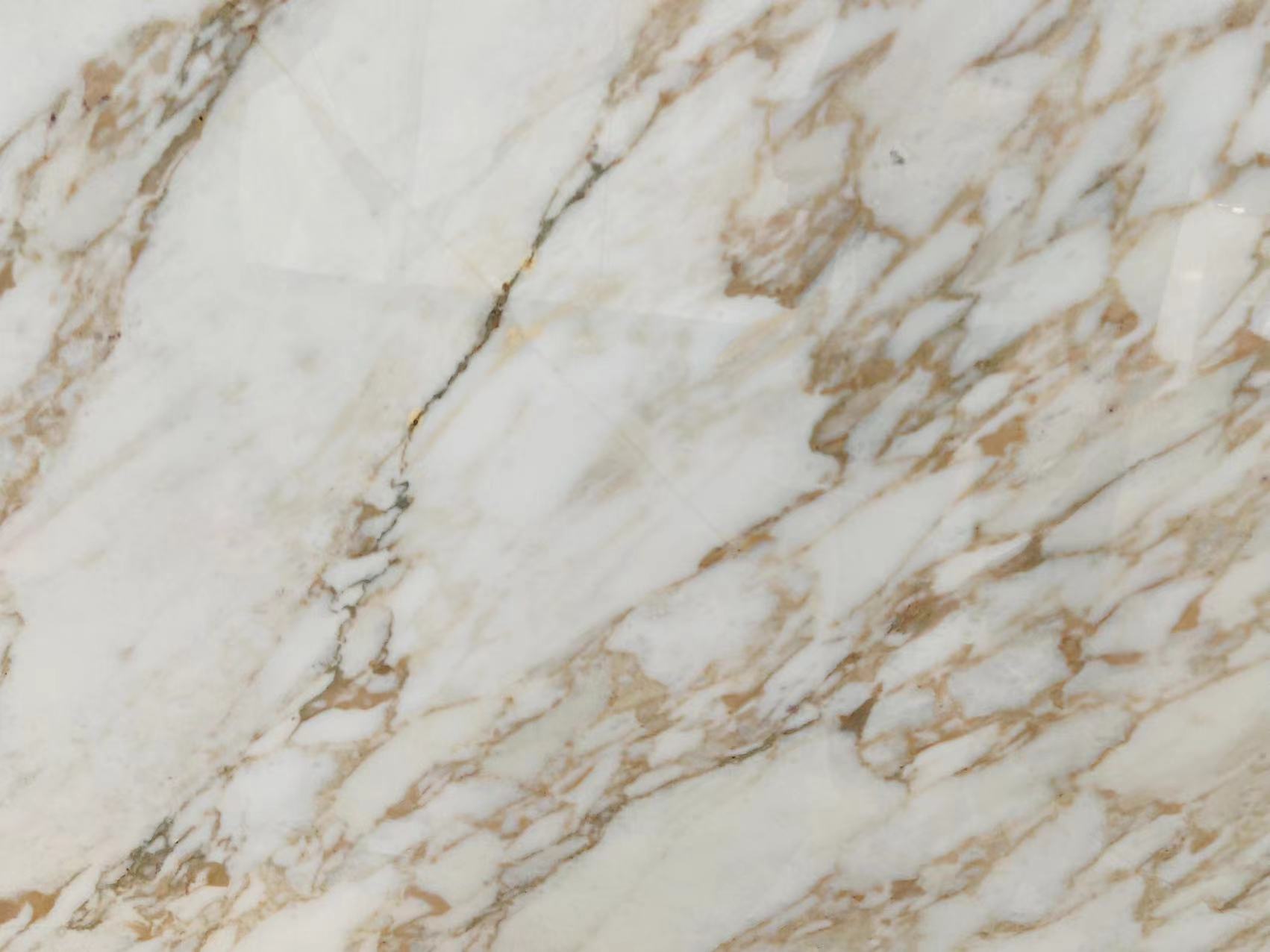
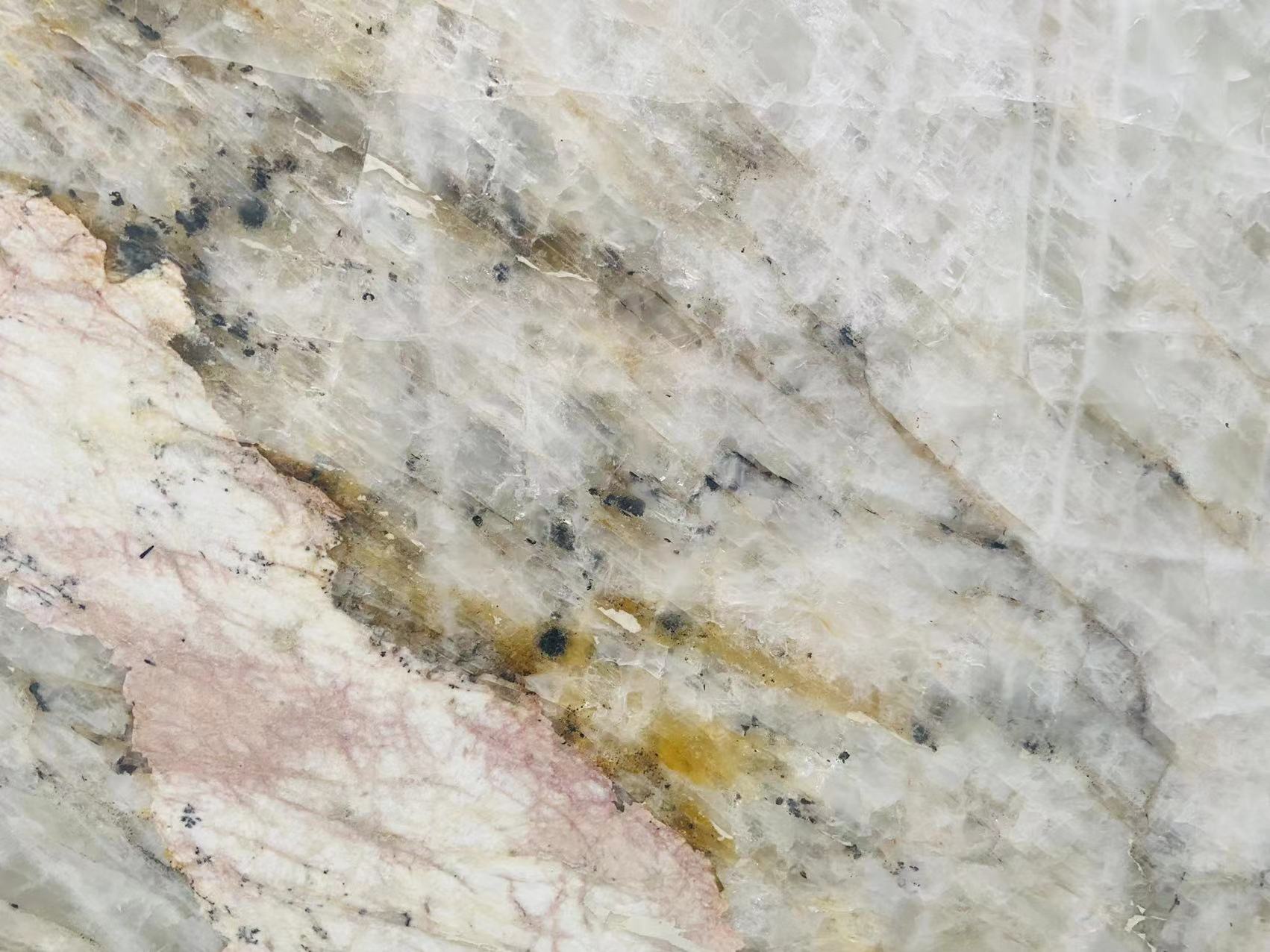
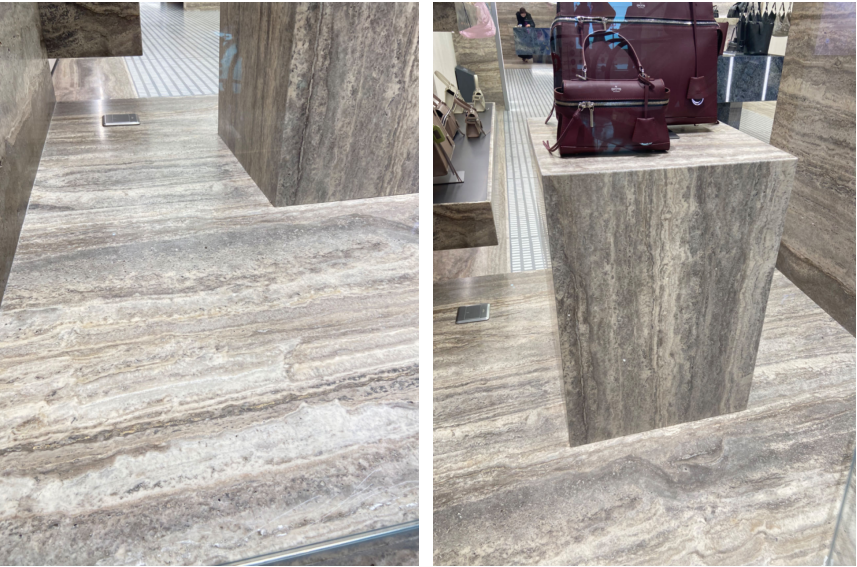
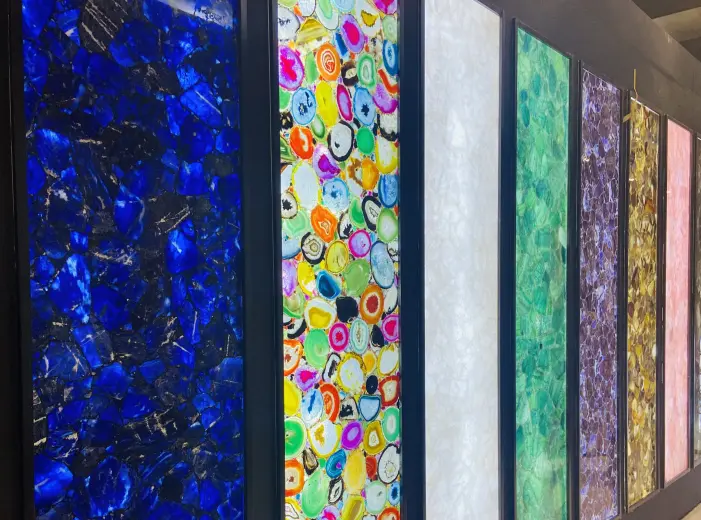
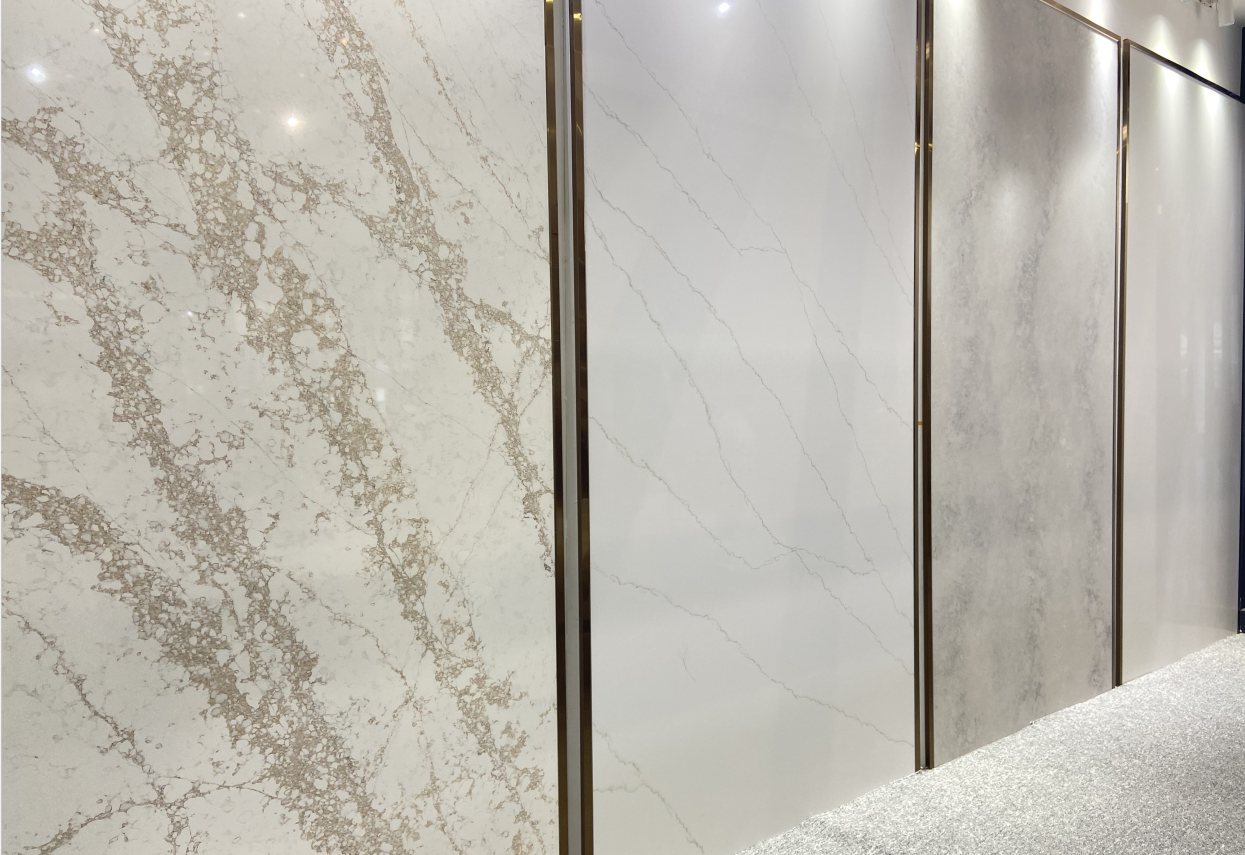
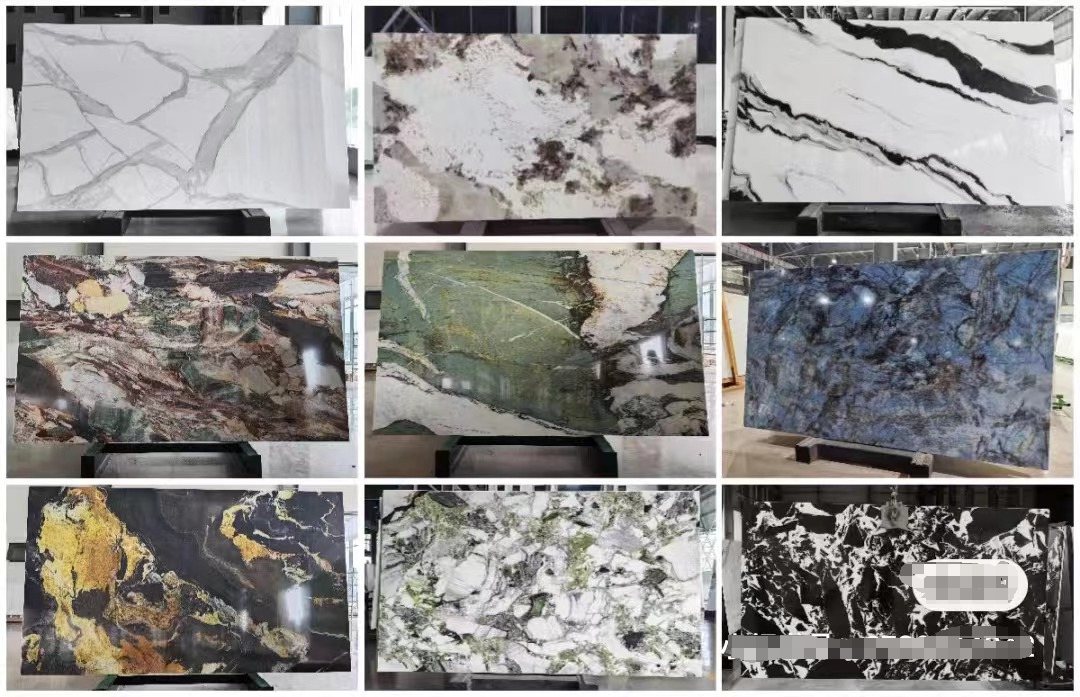
Natural stone slabs, such as marble, granite, quartzite, and onyx, are prized for their beauty, durability, and versatility. One of the most appealing aspects of natural stone is its ability to be customized to suit your design preferences. While the quarry typically determines the initial finish of a slab—whether polished, honed, leathered, or brushed—this doesn’t mean you’re stuck with that finish. With the help of an experienced fabricator, you can change the finish of your stone slab to better match your vision. This guide explores the process of altering stone finishes, the implications of these changes, and how to ensure the best results.
Can the Finish of a Stone Slab Be Changed?
Yes, the finish of a stone slab can be changed. While the quarry usually selects the initial finish based on the stone’s characteristics and market demand, a skilled fabricator with the right tools and expertise can modify the finish to meet your preferences. Whether you want to transform a polished slab into a honed finish or vice versa, the process is entirely possible with the right equipment and techniques.
Common Stone Finishes:
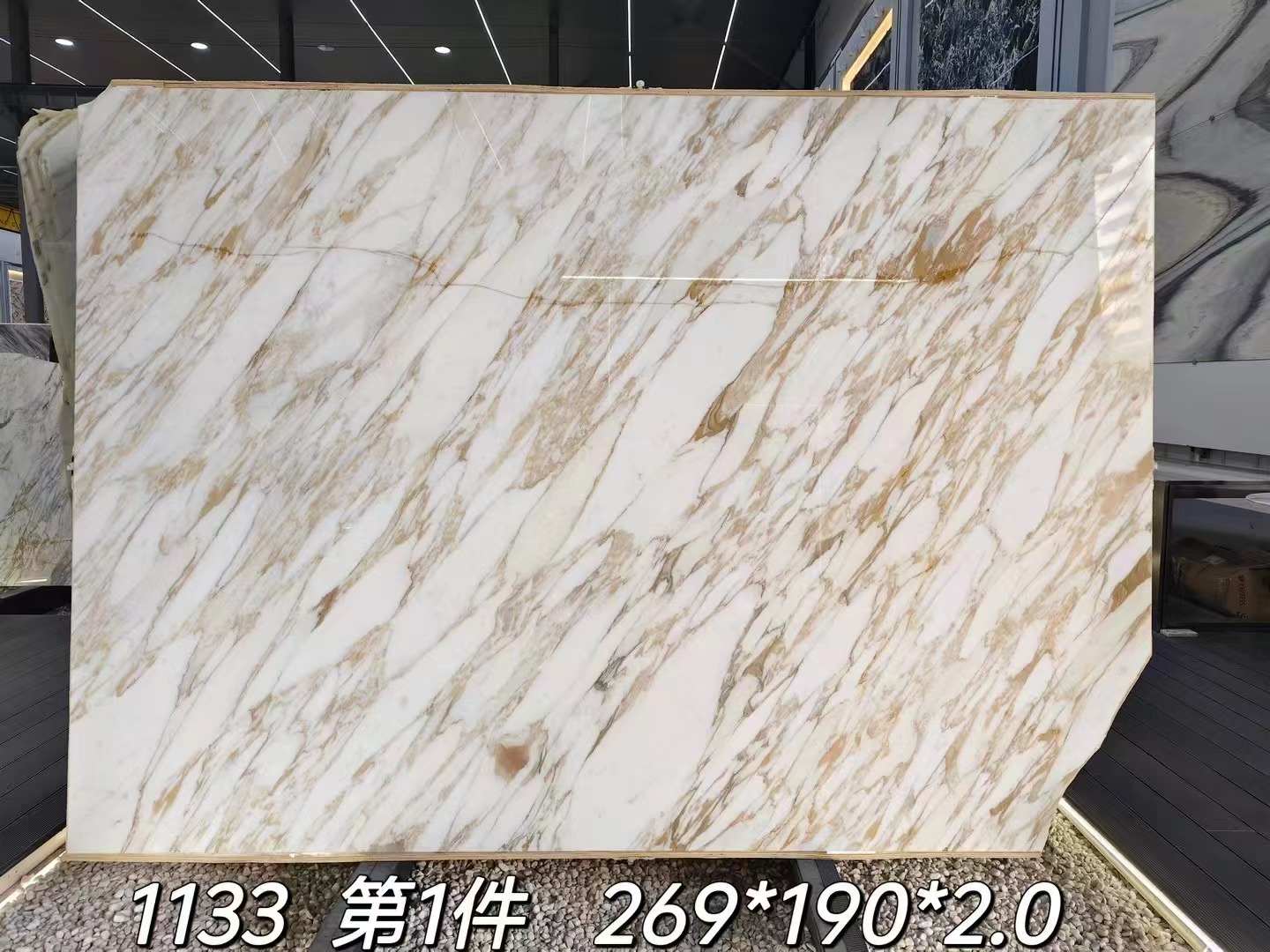
- Polished: A glossy, reflective finish that enhances the stone’s color and veining.
- Honed: A matte, smooth finish that provides a softer, more understated look.
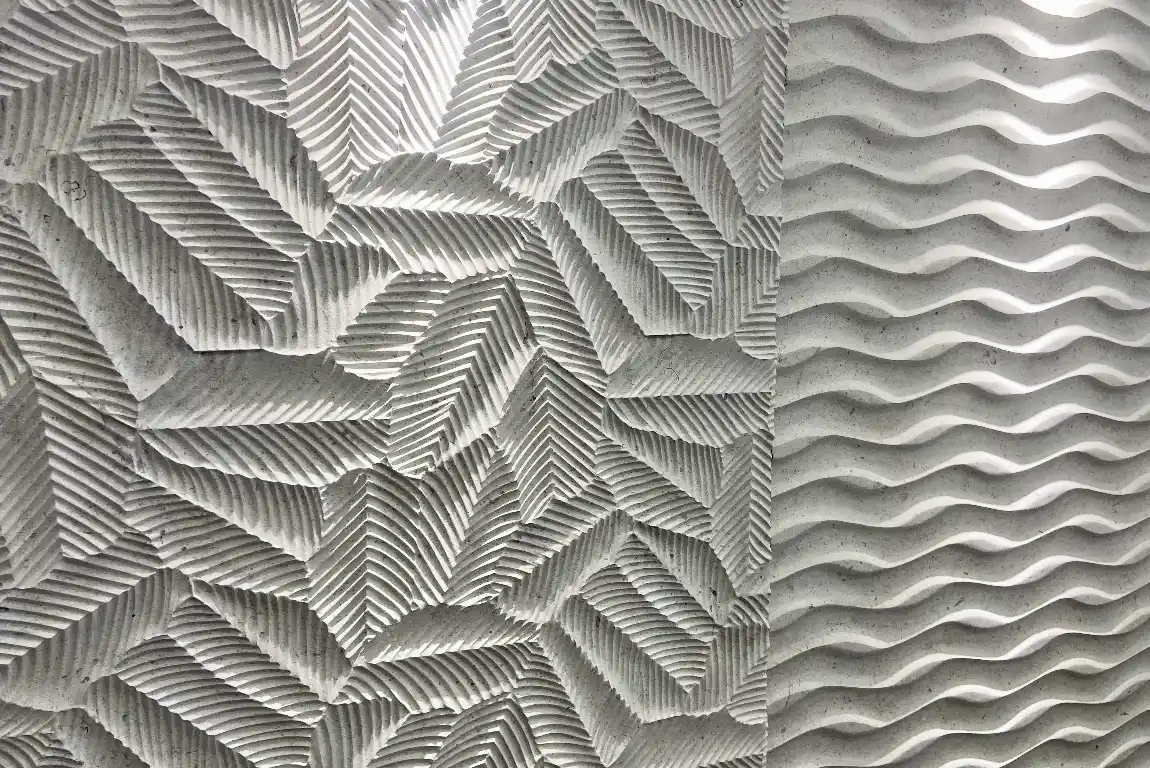
- Leathered: A textured finish that retains the stone’s natural color while adding a tactile, non-slip surface.
- Brushed: A rustic finish that highlights the stone’s texture and natural imperfections.
How Is the Finish Changed?
Changing the finish of a stone slab involves grinding, sanding, or polishing the surface to achieve the desired texture and appearance. Here’s a breakdown of the process:
- Polishing a Honed Slab:
- The fabricator uses progressively finer diamond pads to grind and polish the surface, creating a glossy finish.
- This process closes the stone’s pores, making it more resistant to stains and enhancing its color and veining.
- Honing a Polished Slab:
- The fabricator uses coarse diamond pads to remove the polished layer, creating a smooth, matte finish.
- Water is used during the process to prevent overheating and to minimize dust, ensuring a consistent finish.
- Creating a Leathered or Brushed Finish:
- Specialized brushes or tools are used to texture the surface, creating a tactile, non-slip finish.
- This process retains the stone’s natural color while adding depth and character.
Key Considerations When Changing the Finish
Before altering the finish of your stone slab, there are several factors to consider to ensure the best results:
1. Stain Resistance
- Polished Finish: A polished surface acts as a protective layer, closing the stone’s pores and making it more resistant to stains.
- Honed Finish: Honing exposes more pores, making the stone slightly more susceptible to staining. However, applying a penetrating sealer can help fill these pores and provide stain resistance.
- Leathered/Brushed Finish: These finishes may also require sealing to protect against stains, especially in high-traffic areas.
2. Color and Appearance
- Polished Finish: Enhances the stone’s natural colors and veining, creating a vibrant and reflective surface.
- Honed Finish: Softens the stone’s appearance, often resulting in a lighter and more muted color. A color-enhancing sealer can be used to restore some of the depth and richness of the stone’s hues without adding shine.
- Leathered/Brushed Finish: Retains the stone’s natural color while adding texture and depth.
3. Maintenance
- Polished Finish: Easier to clean and maintain due to its smooth, non-porous surface.
- Honed Finish: Requires more frequent sealing to maintain its stain resistance.
- Leathered/Brushed Finish: May require additional care to clean the textured surface effectively.
Tips for Achieving the Perfect Honed Finish
If you’re changing a polished slab to a honed finish, here are some tips to ensure the best results:
- Use Plenty of Water: Water helps cool the diamond pads and prevents the formation of unwanted swirl patterns on the stone’s surface. It also minimizes dust, creating a safer working environment.
- Apply a Penetrating Sealer: After honing, apply a penetrating sealer to fill the exposed pores and enhance the stone’s stain resistance.
- Consider a Color-Enhancing Sealer: If you want to retain some of the stone’s color depth, a color-enhancing sealer can mimic the vibrancy of a polished finish without adding shine.
Stain Resistance: Honed vs. Polished Finishes
While both honed and polished finishes can be stain-resistant when properly sealed, there are some differences to keep in mind:
- Polished Finish: The polishing process naturally closes the stone’s pores, creating a protective barrier against stains. This makes polished stone more resistant to spills and easier to clean.
- Honed Finish: Honing opens the stone’s pores, making it slightly more susceptible to staining. However, a high-quality penetrating sealer can provide adequate protection against most household spills.
Tips for Preventing Stains:
- Clean up spills immediately, especially acidic liquids like wine, coffee, or citrus juices.
- Use coasters, trivets, and cutting boards to protect the surface.
- Reapply sealer as needed to maintain the stone’s stain resistance.
Will Honing Affect the Color of the Stone?
Yes, honing can affect the color of the stone. A polished finish enhances the stone’s natural colors and veining, making them more pronounced. When you hone the stone, you remove the polished layer, which can result in a lighter and more muted appearance. Many people choose to hone their stone to achieve a softer, brighter look. However, if you want to retain some of the stone’s color depth, a color-enhancing sealer can help restore the vibrancy without adding shine.
Choosing the Right Finish for Your Space
The finish you choose for your stone slab should align with your design goals and lifestyle. Here’s a quick guide to help you decide:
- Polished Finish: Ideal for creating a luxurious, high-gloss look. Perfect for countertops, floors, and feature walls in formal spaces.
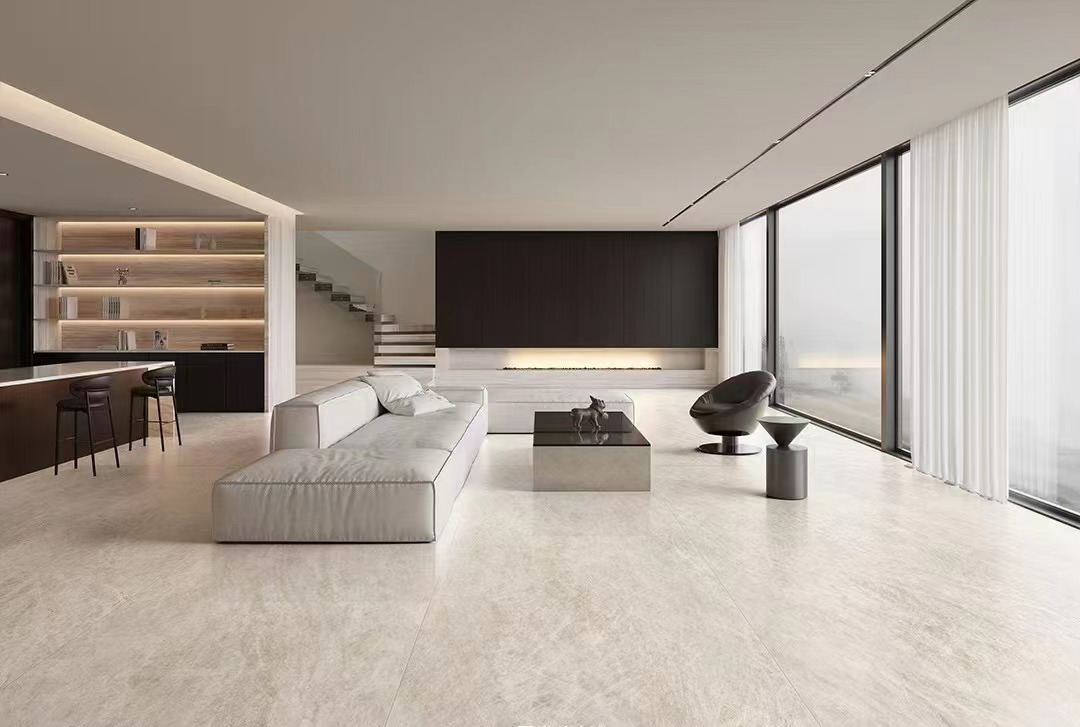
- Honed Finish: Great for a soft, matte look that works well in modern and minimalist designs. Suitable for countertops, floors, and bathrooms.
- Leathered/Brushed Finish: Adds texture and character, making it ideal for rustic or transitional designs. Perfect for countertops, fireplace surrounds, and outdoor spaces.
Working with a Skilled Fabricator
To ensure the best results when changing the finish of your stone slab, it’s essential to work with a skilled and experienced fabricator. Here’s what to look for:
- Advanced Equipment: The fabricator should have up-to-date machinery capable of handling the specific finish you desire.
- Expertise: Look for a fabricator with a proven track record of successfully altering stone finishes.
- Quality Sealers: Ensure the fabricator uses high-quality sealers to protect the stone and enhance its appearance.
Conclusion
Changing the finish of a natural stone slab is a fantastic way to customize your space and achieve the exact look you desire. Whether you prefer the glossy elegance of a polished finish, the soft matte appearance of a honed finish, or the textured charm of a leathered or brushed finish, a skilled fabricator can make it happen. By understanding the implications of each finish—such as stain resistance, color changes, and maintenance requirements—you can make an informed decision that aligns with your design vision and lifestyle. With the right expertise and care, your stone slab can be transformed into a stunning focal point that enhances the beauty and functionality of your home.
Latest News
-
 Vanity Tops are Bathroom Worktops (WC’s, Toilets, Bathrooms, Ensuites)
Vanity Tops: The Perfect Bathroom Worktops for WC’s, Toilets, and Ensui...
-
 Kitchen Splashbacks and Upstands For Wall Protection
Kitchen Splashbacks and Upstands: Wall Protection Kitchen splashbacks and ups...
-
 The Five Quartzite Designs
The Five Quartzite Designs Quartzite is a stunning natural stone that combine...
-
 Stunning Works: Marble Slab Wall
Stunning Works: Marble Slab Walls Marble slab walls are the epitome of luxury...
-
 Red Marble: Color And Design Combined
Red Marble: Color And Design Combined Red marble is more than just a materia...
-
 Travertine Countertops
Travertine Countertops Travertine is a natural stone known for its earthy ton...
-
 Marble Kitchen Island: Best Ideas & Inspirations
Marble Kitchen Island: Best Ideas & Inspirations A marble kitchen island ...
-
 The Pros and Cons of Natural Stone Floor Tiles
The Pros and Cons of Natural Stone Floor Tiles Natural stone floor tiles have...
-
 5 Key Factors How to Tell If Good Quality Marble
5 Key Factors How to Tell If Good Quality Marble Marble has long been a sym...
-
 5 Most Beautiful Green Stone Countertops For 2025
Introduction: Why You Should Go Green Stone with Countertops? In 2025, green ...