
- Natural Stone
- Artificial Stone



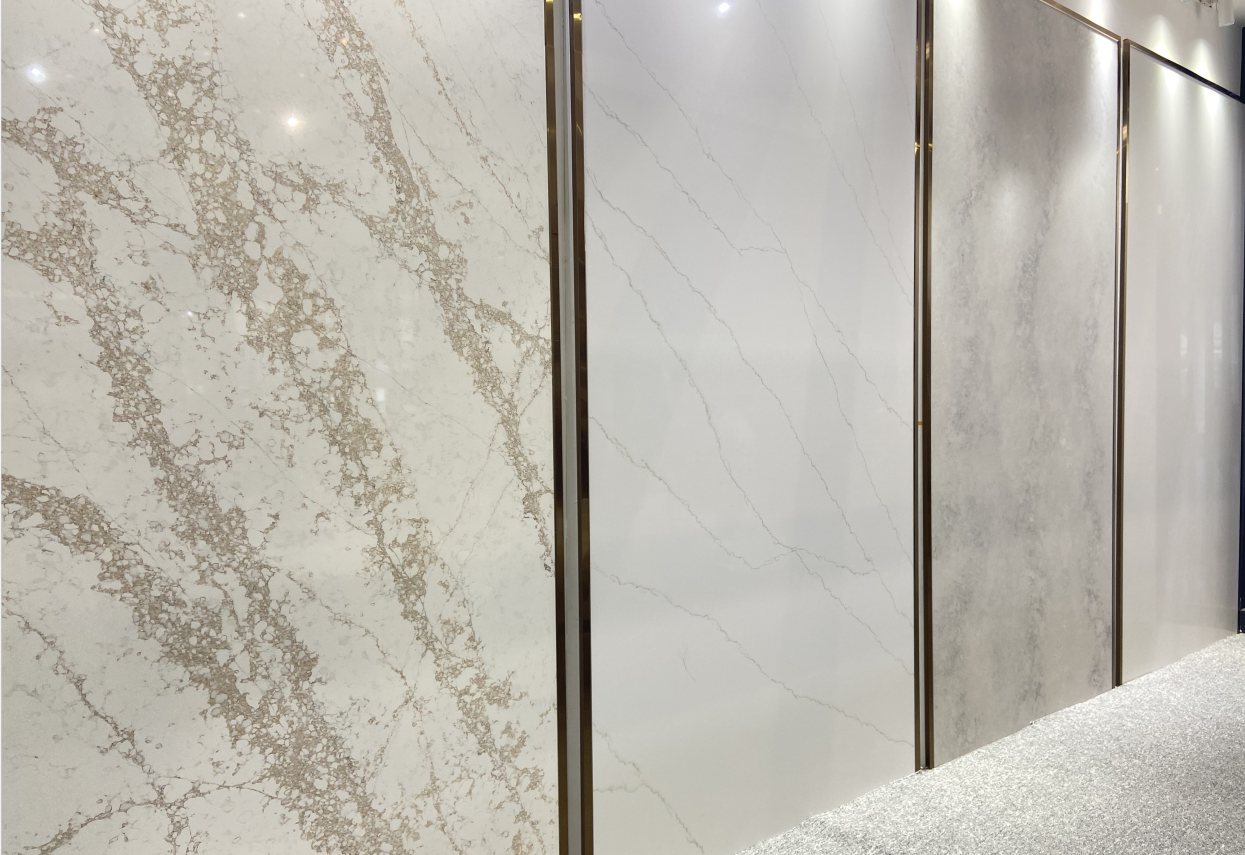

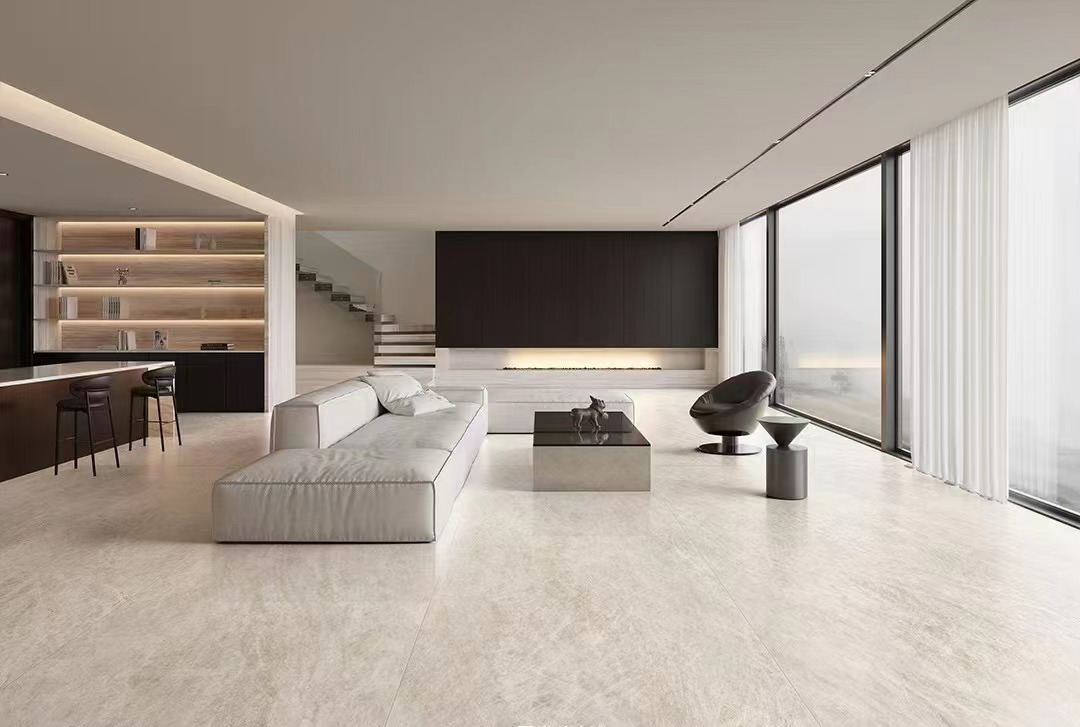
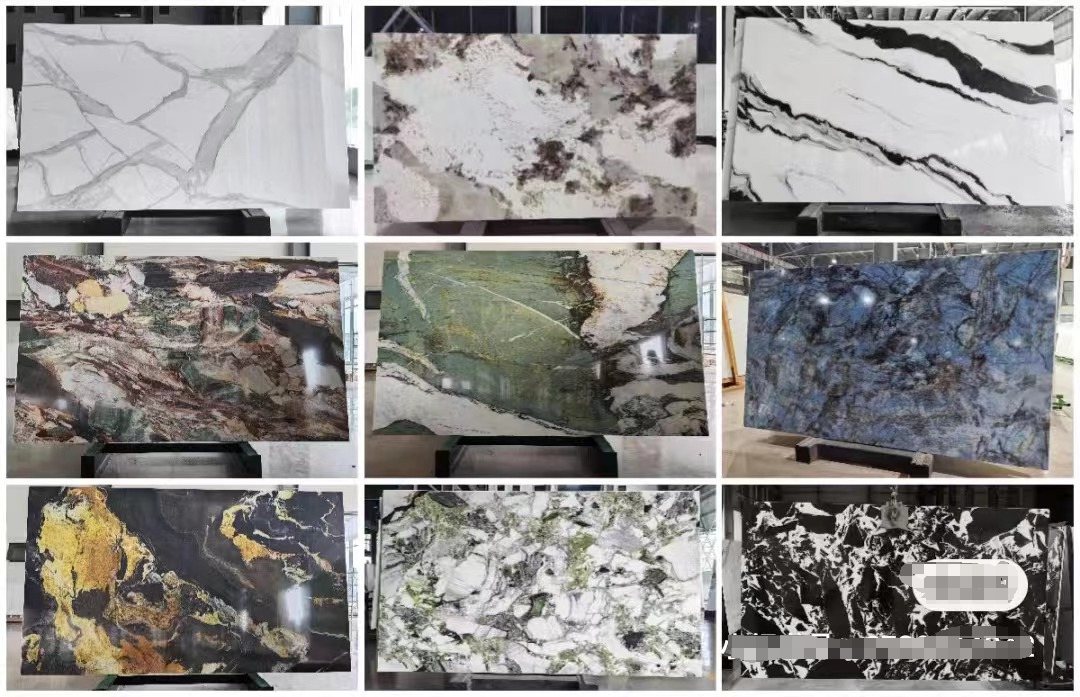
Budgeting for Natural Stone: A Comprehensive Guide to Cost Planning for Home Projects
Budgeting for Natural Stone: A Comprehensive Guide to Cost Planning for Home Projects
Natural stone is a timeless and elegant choice for home projects, offering durability, beauty, and long-term value. However, understanding the costs associated with natural stone is essential for effective budgeting. This guide will walk you through the key factors that influence pricing, helping you make informed decisions for your next home improvement project.
1. Understanding Stone Types and Their Price Variations
Natural stones vary widely in price depending on their type, characteristics, and availability. Here’s a breakdown of the most popular options:
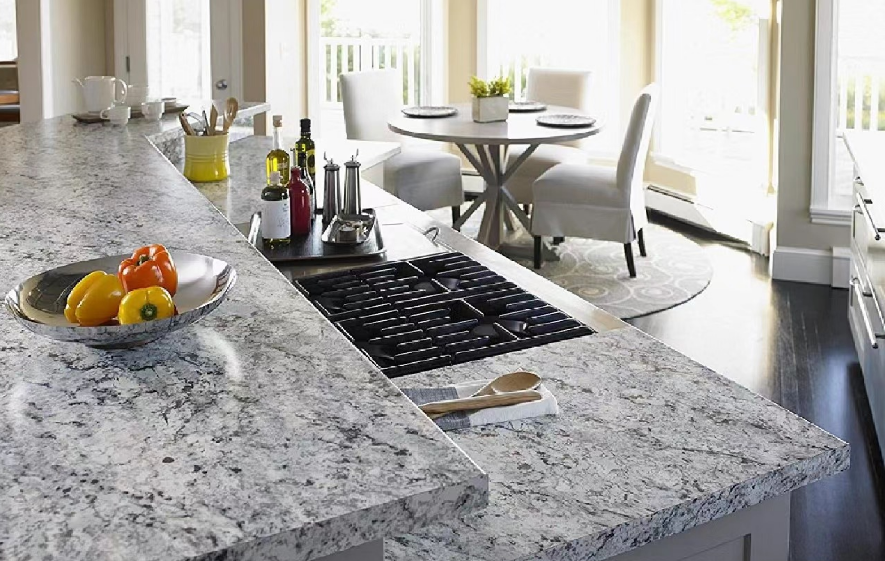
- Granite: A mid-range natural stone, granite is highly durable and resistant to scratches and heat, making it ideal for kitchen countertops and bathrooms. Prices typically range from low to high mid-range, depending on the color and pattern.
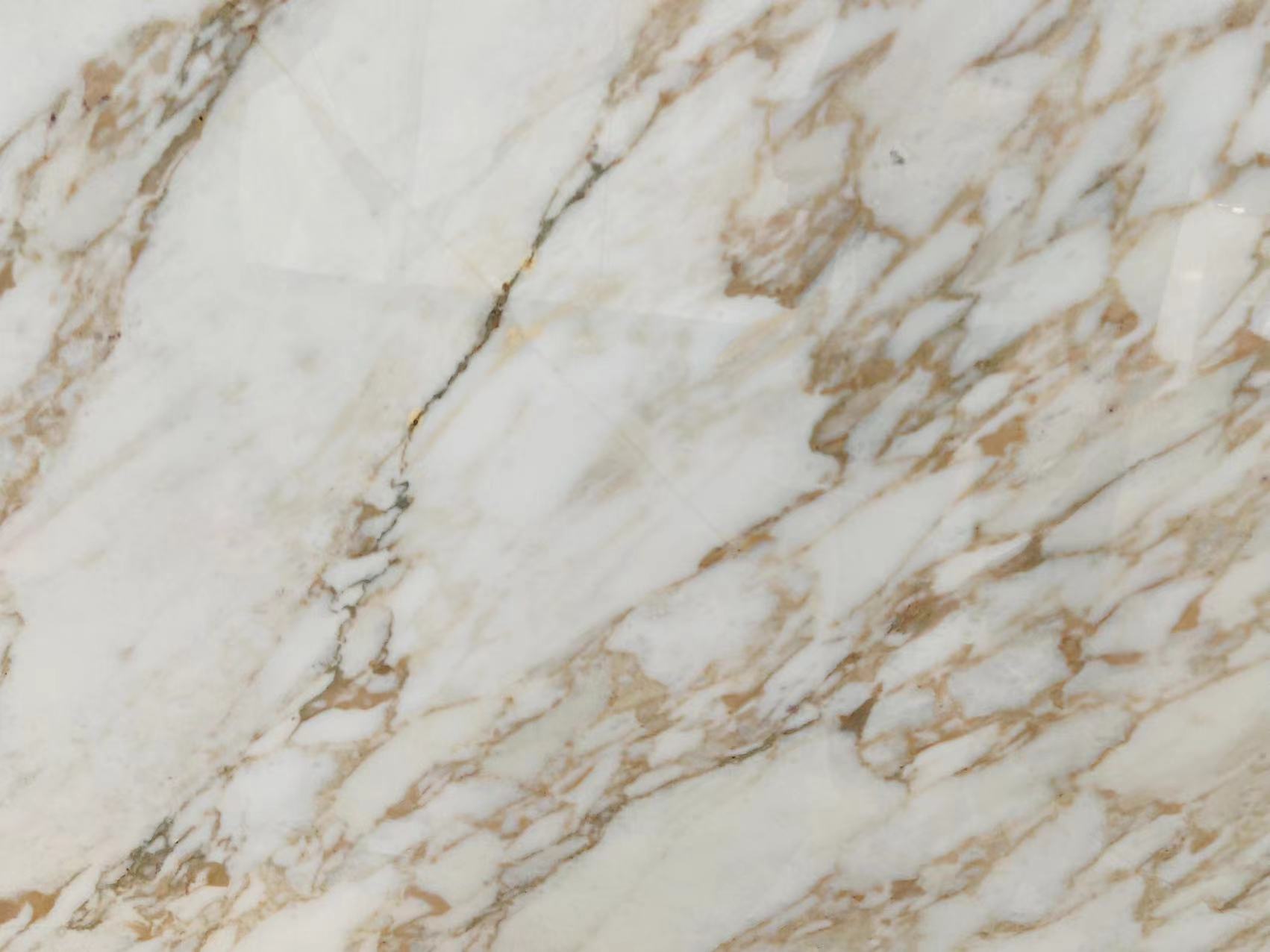
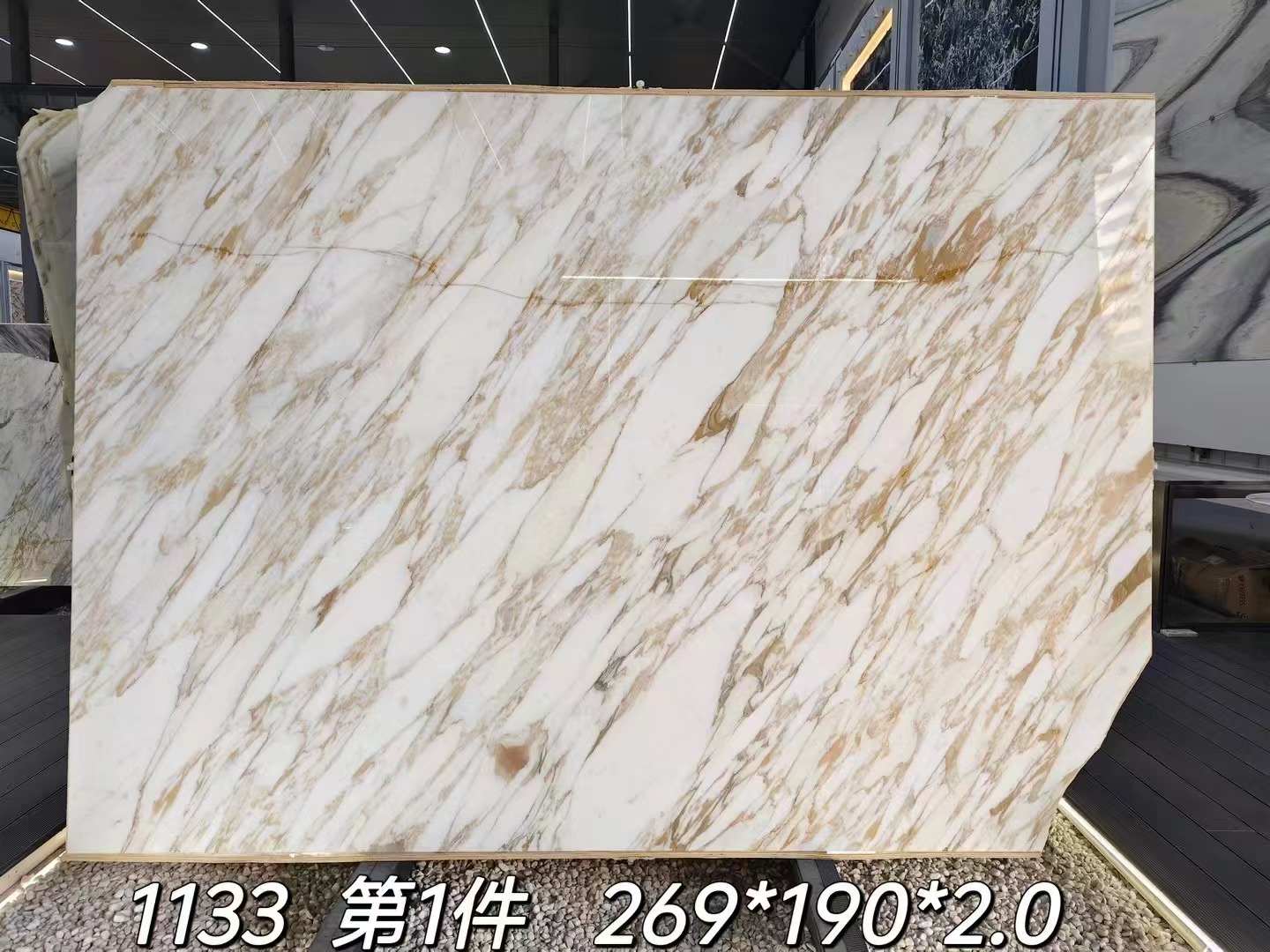
- Marble: Known for its luxurious appearance, marble is a popular choice for adding aesthetic value to spaces. However, it is softer than granite and more prone to staining and etching, which can lead to higher maintenance costs. Prices vary from mid-range for common varieties to luxury pricing for rare, exotic marbles.
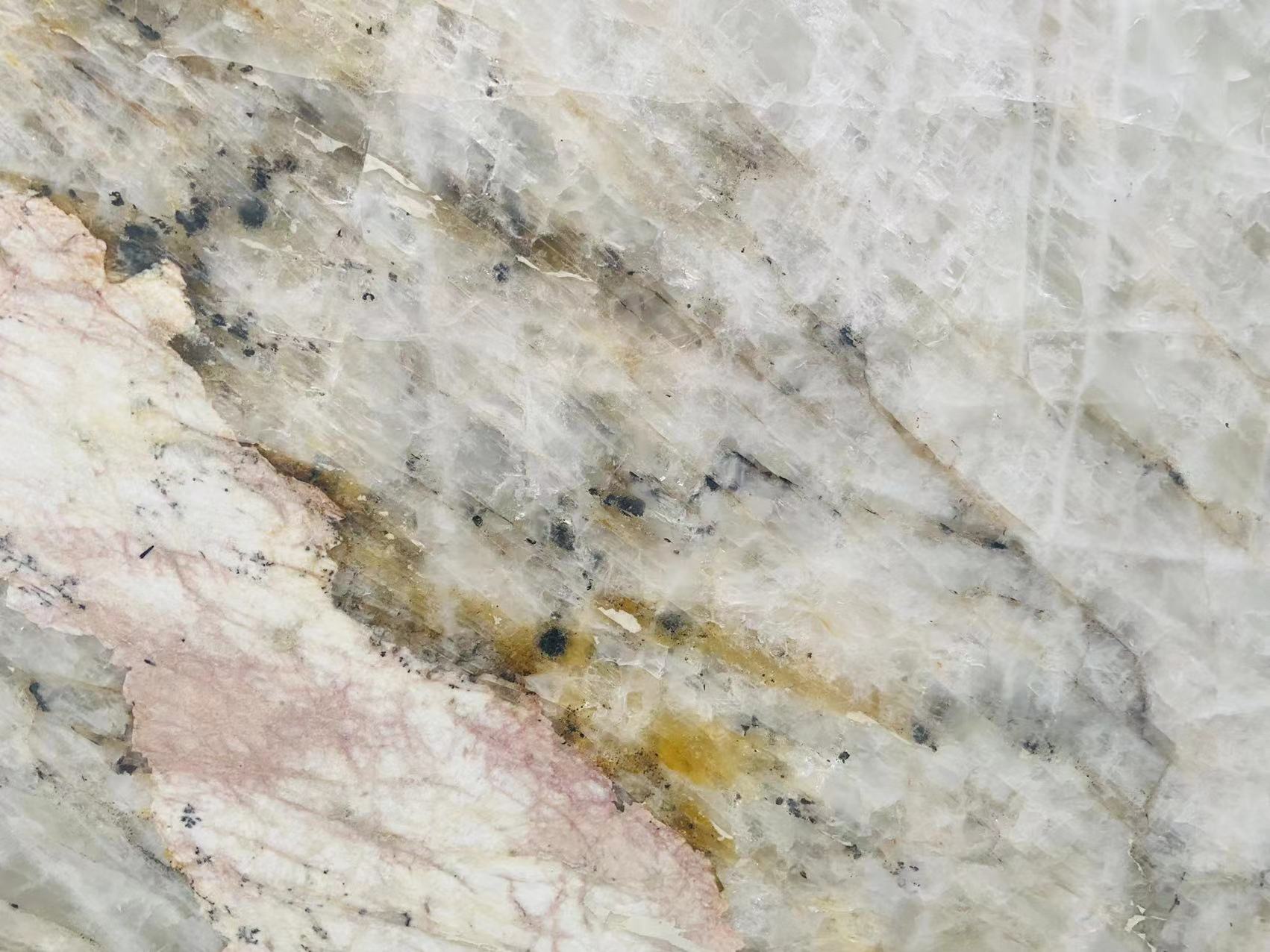
- Quartzite: Often considered a luxury option, quartzite combines the beauty of marble with the durability of granite. Its resistance to heat and scratches makes it a premium choice, but it comes with a higher price tag.
- Soapstone: With its natural, matte finish and resistance to temperature changes, soapstone is a mid-range option that works well in kitchens and bathrooms. Its timeless look and durability make it a cost-effective choice for long-term use.
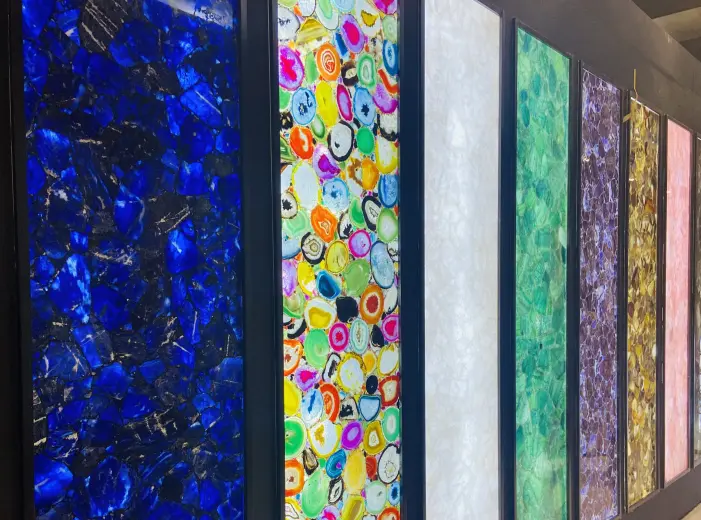
- Onyx: A high-end decorative stone, onyx is prized for its translucent beauty and unique veining. While stunning, it is more fragile and expensive, making it best suited for decorative accents rather than high-traffic areas.
2. Choosing the Right Stone for Your Needs
Selecting the perfect stone depends on your priorities, budget, and the intended use. Here are some considerations for different applications:
- Kitchen Countertops: Granite and quartzite are top choices due to their durability and resistance to heavy use. They can withstand heat, scratches, and spills, making them practical for busy kitchens.
- Bathroom Floors and Walls: Marble and granite are ideal for bathrooms because of their water-resistant properties. Marble adds a touch of luxury, while granite offers a more durable and low-maintenance option.
- Flooring: Natural stone is an excellent choice for flooring due to its durability and non-slip properties. It is particularly well-suited for high-traffic areas like hallways and entryways.
- Outdoor Spaces: For patios, gardens, and other outdoor areas, weather-resistant stones like granite are ideal. While these may come at a higher cost, their ability to withstand the elements ensures long-term value.
3. Quality, Labor, and Finishing Costs
The quality of the stone and the complexity of your project significantly impact the overall cost. Higher-quality stones often require specialized processing, which can increase expenses. Additionally, intricate designs, custom cuts, and unique patterns can raise labor costs.
Surface finishes also play a role in pricing. For example, a polished finish adds a glossy, reflective look but may cost more than a honed or matte finish. Be sure to discuss your preferences with your supplier to understand how these choices affect your budget.
4. Long-Term Maintenance Considerations
While natural stone is durable, it requires regular maintenance to keep it looking its best. Here’s what to expect:
- Marble: Sensitive to acidic substances like lemon juice or vinegar, marble may require frequent polishing to maintain its shine. Sealing it regularly can help prevent stains.
- Granite and Quartzite: These stones are more resistant to stains and scratches but still benefit from annual sealing, especially in high-use areas like kitchens.
- Soapstone: Soapstone is relatively low-maintenance but may need occasional oiling to maintain its color and finish.
- Onyx: Due to its fragility, onyx requires careful cleaning and should be used in low-traffic areas to avoid damage.
5. The Impact of Stone Origin on Pricing
The source of the stone plays a significant role in its cost. Stones from India, for example, are often more affordable, while those from Italy are considered premium due to their superior quality and craftsmanship. Some stones are harvested in countries like Brazil, Africa, or Turkey but are processed in Italy, adding to their value.
Understanding the origin of your stone can help you make informed decisions about quality and cost. For instance, Italian marble is renowned for its exquisite veining and finish, but it may come at a higher price compared to other options.
6. Natural Stone as a Long-Term Investment
Investing in high-quality natural stone can enhance your home’s value and provide cost savings over time. Durable options like granite and quartzite reduce the need for repairs and replacements, making them a smart financial choice. Additionally, natural stone adds a touch of luxury that can make your home more attractive to potential buyers if you decide to sell.
7. Comparing Prices and Making Informed Decisions
When purchasing natural stone, it’s essential to compare offerings from different suppliers. Look for suppliers that provide quality assurance, transparent pricing, and post-purchase support. Here are some tips to help you make the best decision:
- Request Samples: Ask for samples to see how the stone looks in your space before making a final decision.
- Check Reviews: Research suppliers to ensure they have a reputation for quality and reliability.
- Negotiate: Don’t hesitate to negotiate prices, especially if you’re purchasing in bulk or planning a large project.
By understanding these factors, you can make informed decisions and choose the perfect natural stone for your home projects while staying within your budget. Whether you’re renovating your kitchen, upgrading your bathroom, or adding a stunning outdoor feature, natural stone offers a combination of beauty, durability, and long-term value that is hard to beat.
Latest News
-
 Vanity Tops are Bathroom Worktops (WC’s, Toilets, Bathrooms, Ensuites)
Vanity Tops: The Perfect Bathroom Worktops for WC’s, Toilets, and Ensui...
-
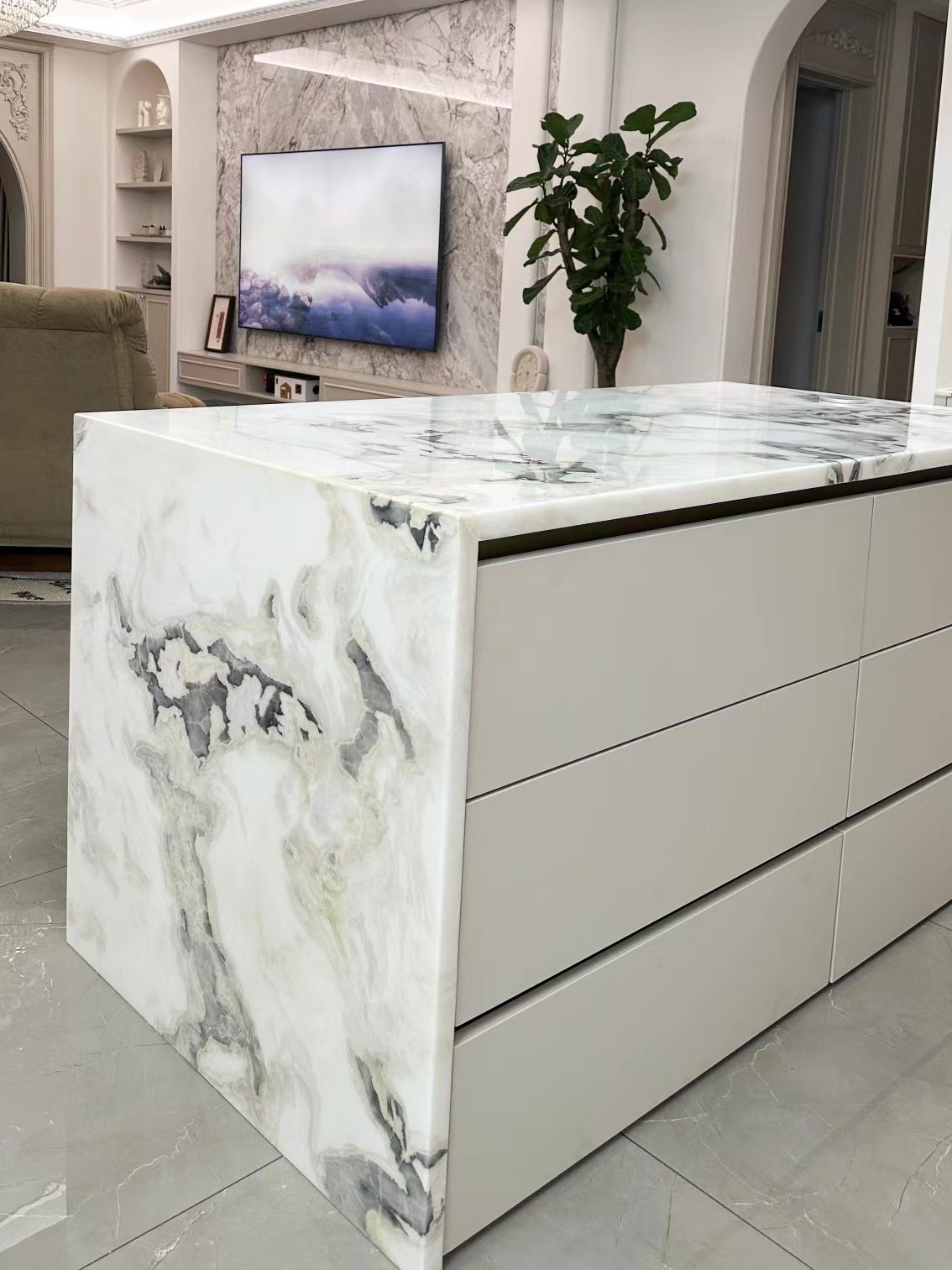 Kitchen Splashbacks and Upstands For Wall Protection
Kitchen Splashbacks and Upstands: Wall Protection Kitchen splashbacks and ups...
-
 The Five Quartzite Designs
The Five Quartzite Designs Quartzite is a stunning natural stone that combine...
-
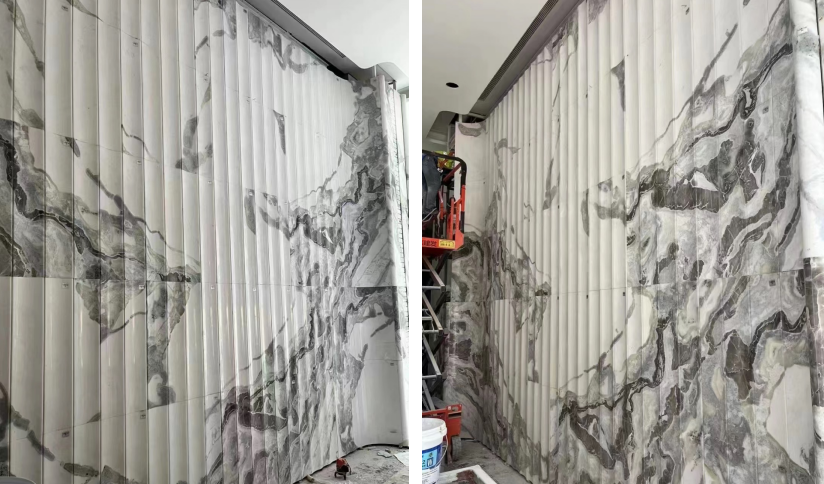
 Stunning Works: Marble Slab Wall
Stunning Works: Marble Slab Walls Marble slab walls are the epitome of luxury...
-
 Red Marble: Color And Design Combined
Red Marble: Color And Design Combined Red marble is more than just a materia...
-
 Travertine Countertops
Travertine Countertops Travertine is a natural stone known for its earthy ton...
-
 Marble Kitchen Island: Best Ideas & Inspirations
Marble Kitchen Island: Best Ideas & Inspirations A marble kitchen island ...
-
 The Pros and Cons of Natural Stone Floor Tiles
The Pros and Cons of Natural Stone Floor Tiles Natural stone floor tiles have...
-
 5 Key Factors How to Tell If Good Quality Marble
5 Key Factors How to Tell If Good Quality Marble Marble has long been a sym...
-
 5 Most Beautiful Green Stone Countertops For 2025
Introduction: Why You Should Go Green Stone with Countertops? In 2025, green ...