
- Natural Stone
- Artificial Stone





A Guide for Granite, Marble, and Onyx Sealing Countertops
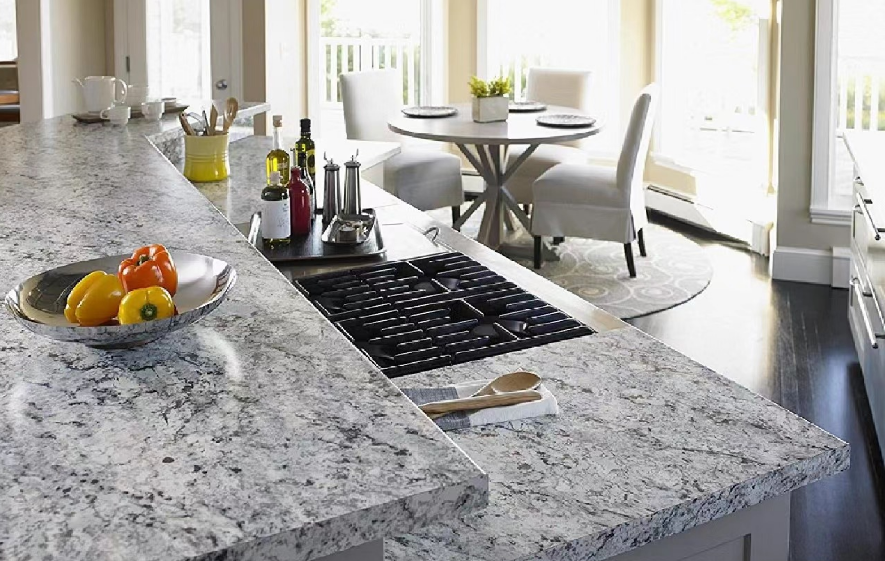
One of the simplest and most effective ways to maintain the value and appearance of your home is by keeping your countertops in pristine condition. Sealing your countertops is a key step in achieving this, as it protects the stone from damage, makes cleaning spills easier, and prevents stains. While many countertops, especially granite, come pre-sealed by the manufacturer, some may require periodic sealing to maintain their beauty and functionality. In most cases, sealing is only needed once a year, but understanding when and how to seal your countertops is essential for proper care. This guide will walk you through the process of sealing granite, marble, and onyx countertops, including how to test if your countertops need sealing, the types of sealers available, and step-by-step instructions for the sealing process.
Testing Your Countertops
Natural stone countertops, such as granite, marble, and onyx, are prized for their unique patterns and textures. However, this uniqueness also means that each slab has a different level of porosity. Some stones are more absorbent than others, which affects how often they need to be sealed. To determine whether your countertop needs sealing, you can perform a simple solvent test.
- How to Perform the Test: Apply a small amount of mineral oil to a discreet area of your countertop and let it sit for about 10 minutes. After wiping away the oil, check for any darkening of the stone. If the stone remains unchanged, it is likely resistant to staining and may not need sealing. If the stone darkens, it indicates that the surface is porous and would benefit from sealing. Don’t worry—the darkening from the mineral oil will evaporate over time.
- Special Note for Marble: While this test works for most natural stones, marble requires additional consideration. Even if a marble countertop passes the solvent test, it may still be susceptible to etching caused by acidic substances like lemon juice or vinegar. Impregnating sealers, which sit below the surface, do not protect against chemical reactions that cause etching.
Sealers 101
Before selecting a sealer, it’s important to understand how stone sealers work. Unlike surface coatings, such as varnish or paint, natural stone sealers penetrate the stone and sit below the surface. These impregnating sealers protect the stone by filling its pores, preventing liquids and stains from penetrating.
There are three main types of stone sealers, each with varying levels of effectiveness and durability:
- Silicone Resins: These are the least effective sealers and are rarely used by professionals. They wear off quickly and provide minimal protection.
- Siloxane Resins: More durable than silicone resins, siloxane-based sealers typically last up to five years. They are a popular choice for homeowners due to their balance of effectiveness and affordability.
- Fluorocarbon Aliphatic Resins: These are the most advanced and durable sealers available. They offer long-lasting protection and are highly resistant to wear and tear. While they are more expensive, they are often recommended by professionals for their superior performance.
Materials Needed for Sealing
Once you’ve determined that your countertop needs sealing, gather the following materials:
- Sealer: Choose a high-quality sealer, preferably one with fluorocarbon aliphatic resins for maximum durability.
- Untreated Microfiber Cloths: These are ideal for cleaning and applying the sealer without leaving lint or streaks.
- Clean Spray Bottle: Used for mixing and applying cleaning solutions.
- Liquid Dish Detergent: Helps remove grease and grime during the cleaning process.
- Rubbing Alcohol: Acts as a disinfectant and helps the cleaning solution evaporate quickly.
- Rubber Gloves: Protect your hands from the sealer and cleaning solutions.
- Soft Rags: Useful for wiping away excess sealer and buffing the surface.
Step-by-Step Guide to Sealing Countertops
The sealing process typically takes between 48 to 72 hours, during which you should avoid using the countertop. Follow these steps to ensure a successful sealing job:
Step 1: Clean the Countertop
- Remove all items from the countertop and wipe the surface with a microfiber cloth to remove dust and debris.
- Mix one teaspoon of dish detergent and two tablespoons of rubbing alcohol in a spray bottle filled with cool water.
- Generously spray the countertop with the cleaning solution and wipe it down with a microfiber cloth.
- Allow the countertop to dry completely for 24 hours before proceeding to the next step.
Step 2: Test the Sealer
- Choose an inconspicuous area, such as under a kitchen appliance, to test the sealer.
- Put on rubber gloves and apply the sealer to the test area according to the manufacturer’s instructions.
- Wait 15-20 minutes for the sealer to absorb, then check for discoloration. If the sealer looks good, proceed to the next step. If there is discoloration, consult a professional or try a different sealer.
Step 3: Apply the Sealer
- Working in small sections, apply the sealer to the countertop using sweeping circular motions to ensure even coverage.
- Allow the sealer to absorb for the time specified on the product label, typically 15-20 minutes.
- Wipe away any excess sealer with a soft cloth, using the same circular motions.
Step 4: Cure the Sealer
- Allow the countertop to cure for the recommended time, usually 48 hours. Avoid getting the surface wet during this period.
- Once the curing process is complete, you can return items to the countertop and resume normal use.
The Truth About Sealing Countertops
While some manufacturers may overstate the need for frequent sealing, the reality is that most countertops only require sealing once a year or less, depending on the type of sealer used. Over-sealing can actually harm your countertops by creating a buildup of product that is difficult to remove. High-quality sealers, such as those with fluorocarbon aliphatic resins, provide long-lasting protection and reduce the need for frequent reapplication.
Sealing your countertops is not a difficult task, but it does require time and attention to detail. By following the steps outlined in this guide, you can keep your granite, marble, or onyx countertops looking like new for years to come. If you have any questions or need further assistance, don’t hesitate to reach out to a professional for advice.
Latest News
-
 Vanity Tops are Bathroom Worktops (WC’s, Toilets, Bathrooms, Ensuites)
Vanity Tops: The Perfect Bathroom Worktops for WC’s, Toilets, and Ensui...
-
 Kitchen Splashbacks and Upstands For Wall Protection
Kitchen Splashbacks and Upstands: Wall Protection Kitchen splashbacks and ups...
-
 The Five Quartzite Designs
The Five Quartzite Designs Quartzite is a stunning natural stone that combine...
-
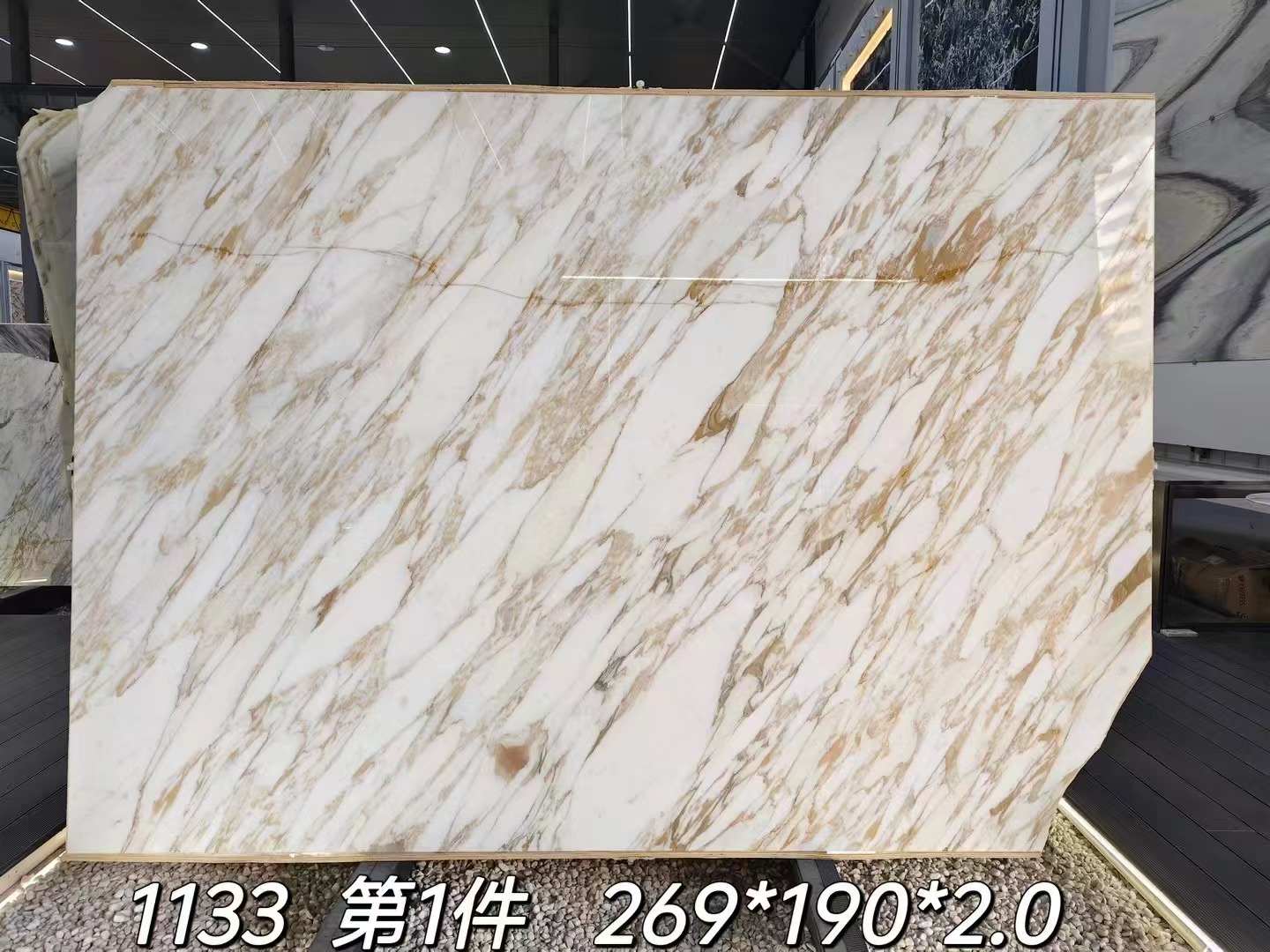
 Stunning Works: Marble Slab Wall
Stunning Works: Marble Slab Walls Marble slab walls are the epitome of luxury...
-
 Red Marble: Color And Design Combined
Red Marble: Color And Design Combined Red marble is more than just a materia...
-
 Travertine Countertops
Travertine Countertops Travertine is a natural stone known for its earthy ton...
-
 Marble Kitchen Island: Best Ideas & Inspirations
Marble Kitchen Island: Best Ideas & Inspirations A marble kitchen island ...
-
 The Pros and Cons of Natural Stone Floor Tiles
The Pros and Cons of Natural Stone Floor Tiles Natural stone floor tiles have...
-
 5 Key Factors How to Tell If Good Quality Marble
5 Key Factors How to Tell If Good Quality Marble Marble has long been a sym...
-
 5 Most Beautiful Green Stone Countertops For 2025
Introduction: Why You Should Go Green Stone with Countertops? In 2025, green ...